Nexstem Instinct
BCI headgear has looked the same for decades, rigid, clinical, built for a lab rather than a person. Nexstem, now rebranded as Anthriq, came to us in 2021 to build their most advanced platform yet and asked a question nobody in this field had really answered: what would this equipment feel like if it were designed as a commercial device, for the person wearing it, not just as a scientific equipment? This case study is about the second version of their product.
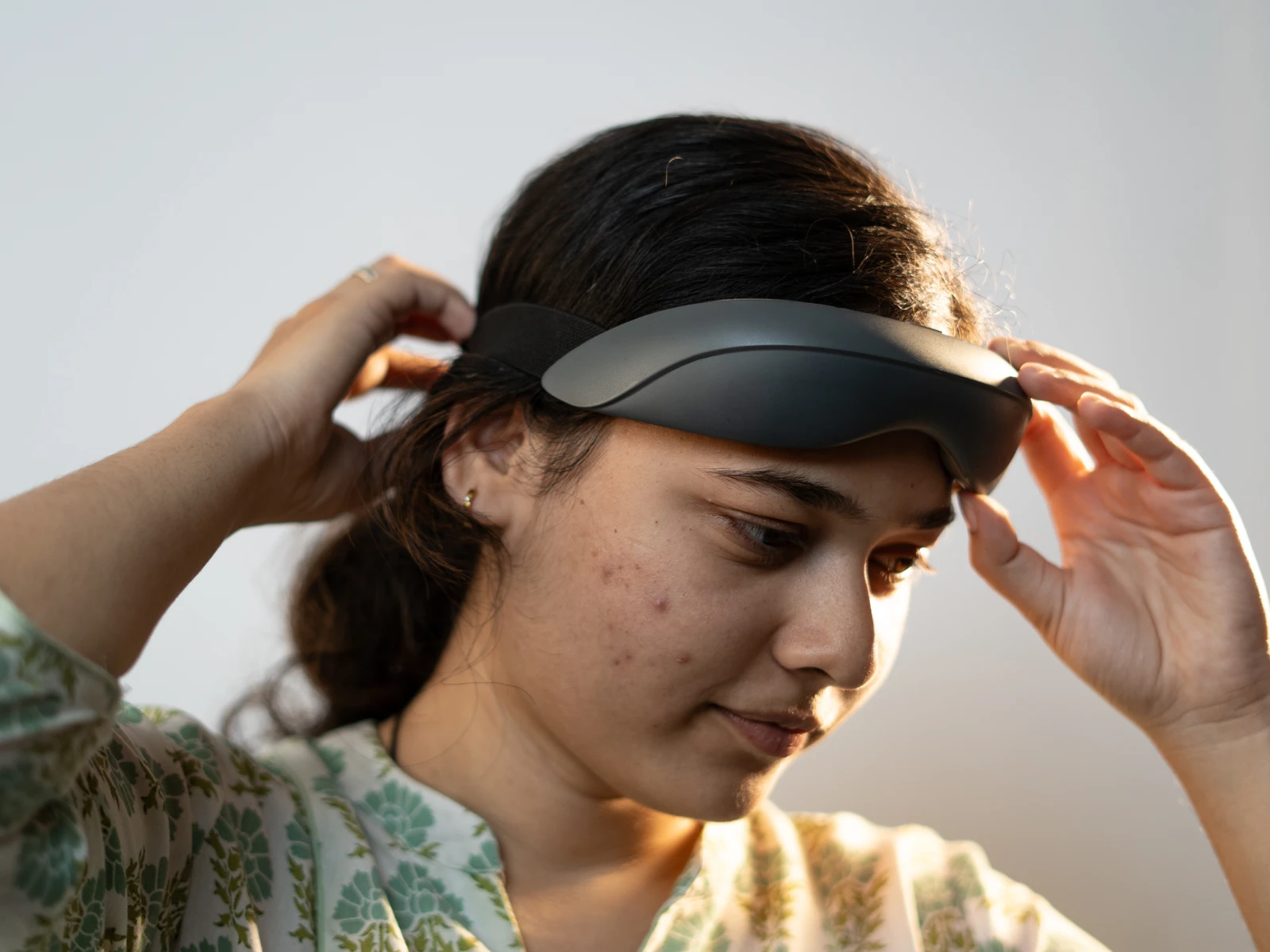
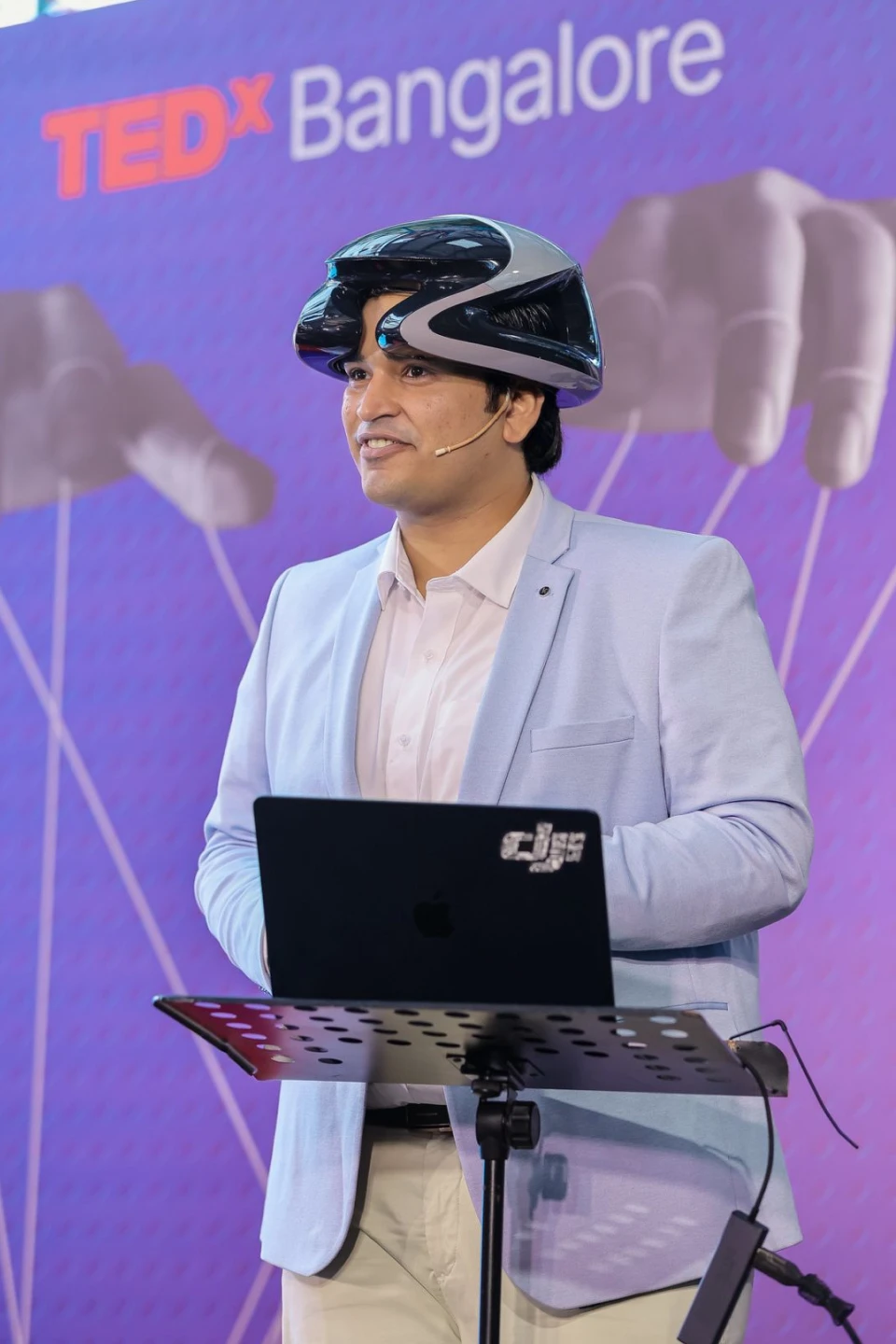
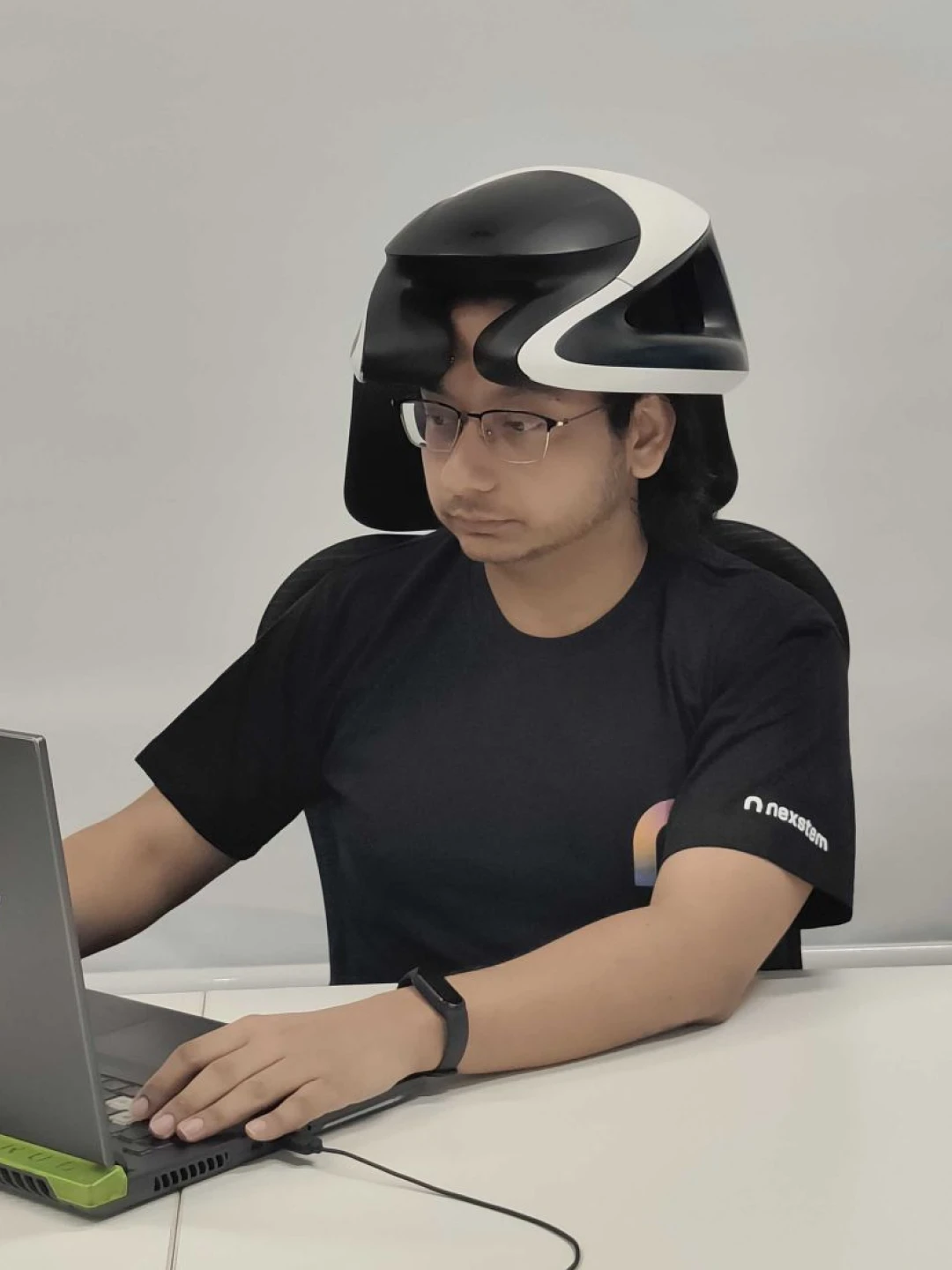
Most of the traditional EEG headset asks the person wearing it to adapt to the wrong size, poor contact, sit still and just deal with it. We flipped that. Instinct uses small moving parts that shape themselves to whoever's wearing it, instead of expecting the head to fit the device.
This wasn't Nexstem's first device with us. In 2022 we built Wisdom, a 16-electrode headset for everyday, commercial use. Instinct came a year later, built for researchers instead, with 21-electrodes and data accurate enough for scientific use.
Getting that kind of accuracy from a device that had to fit any head meant solving three problems at once, contact, fit, and comfort. The moving parts had to find the right contact point on their own. The surfaces had to work for a wide range of head sizes. And comfort had to hold up through a long session instead of getting worse over time, the way most headgear does.
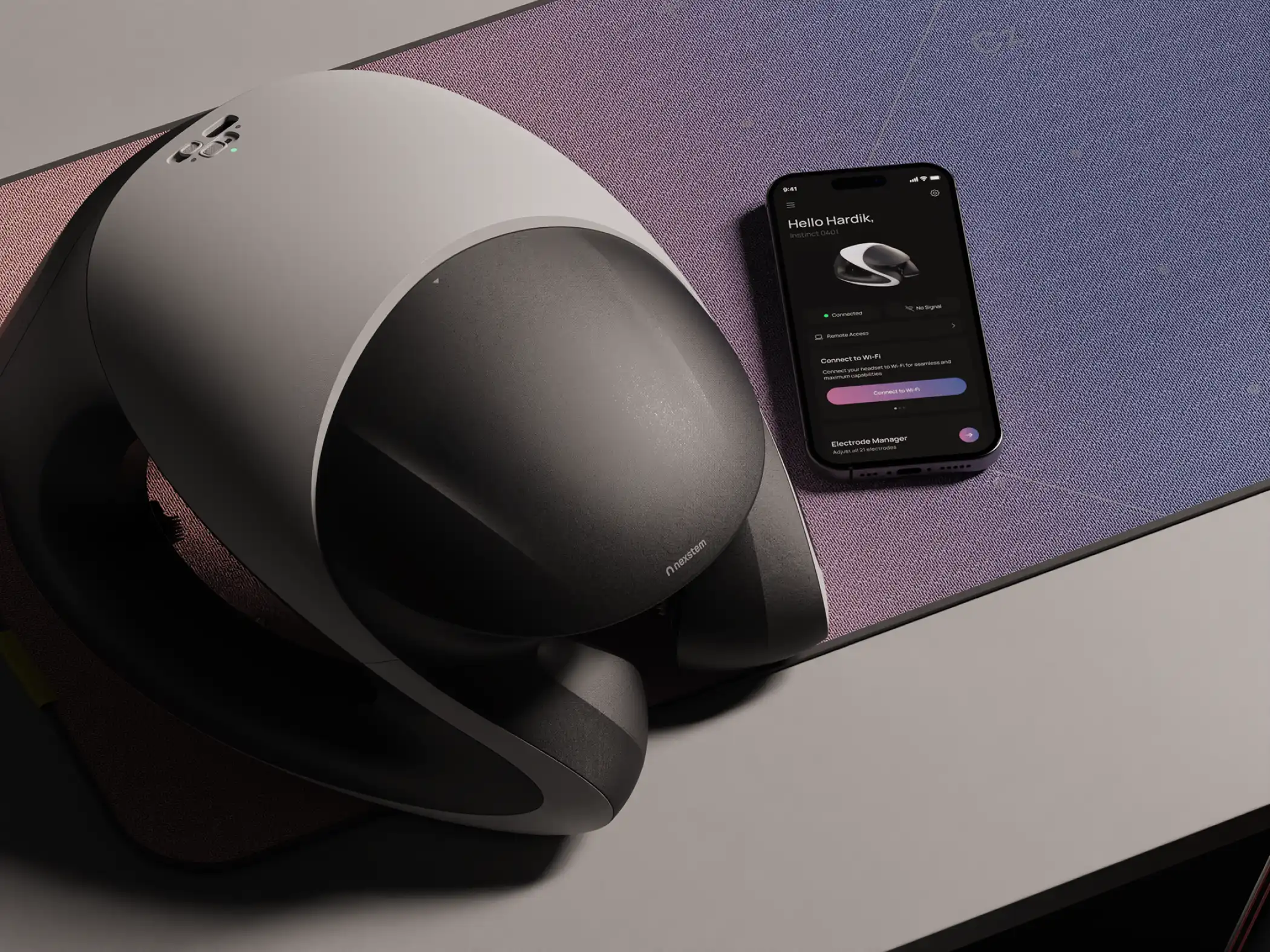
Standalone by Design
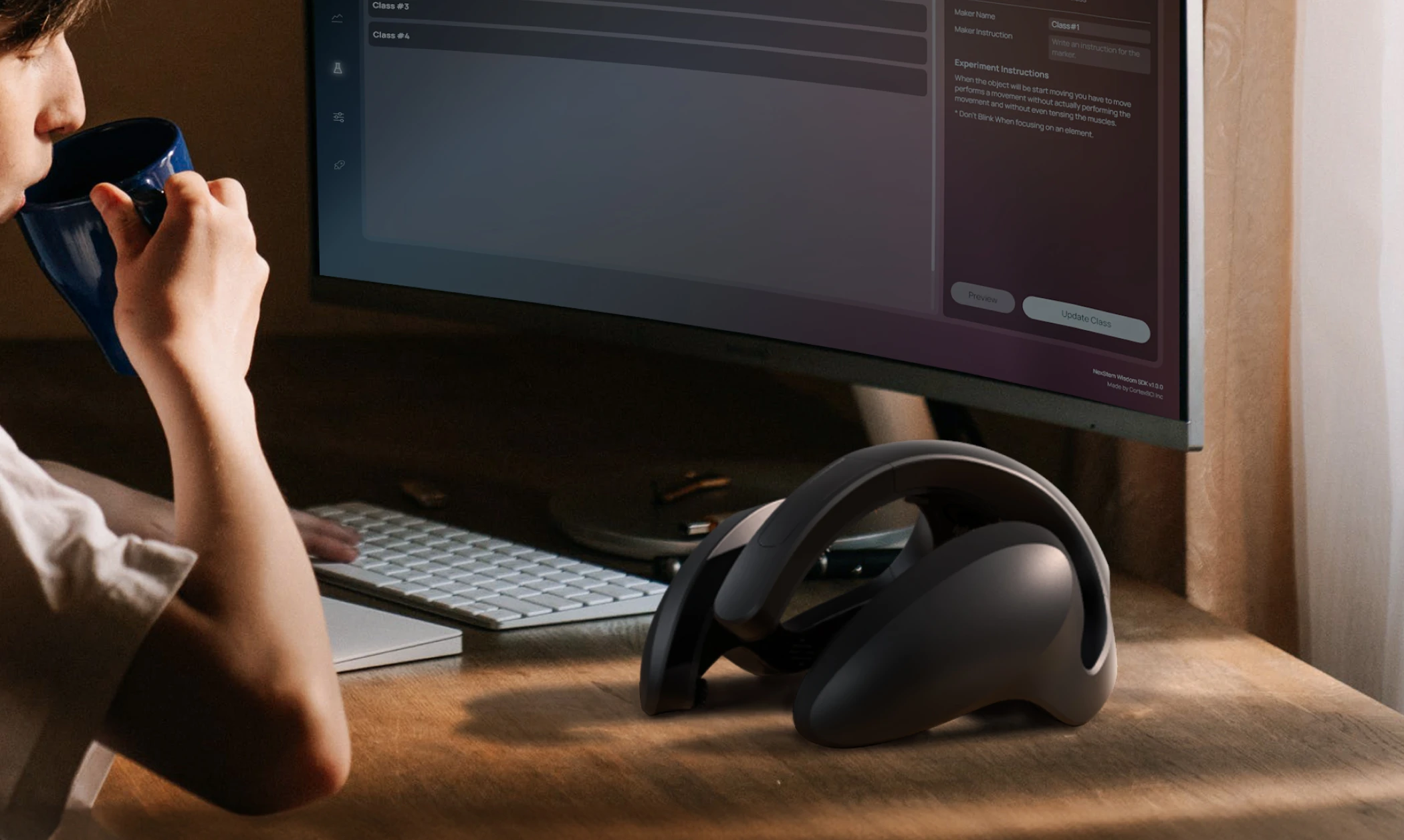
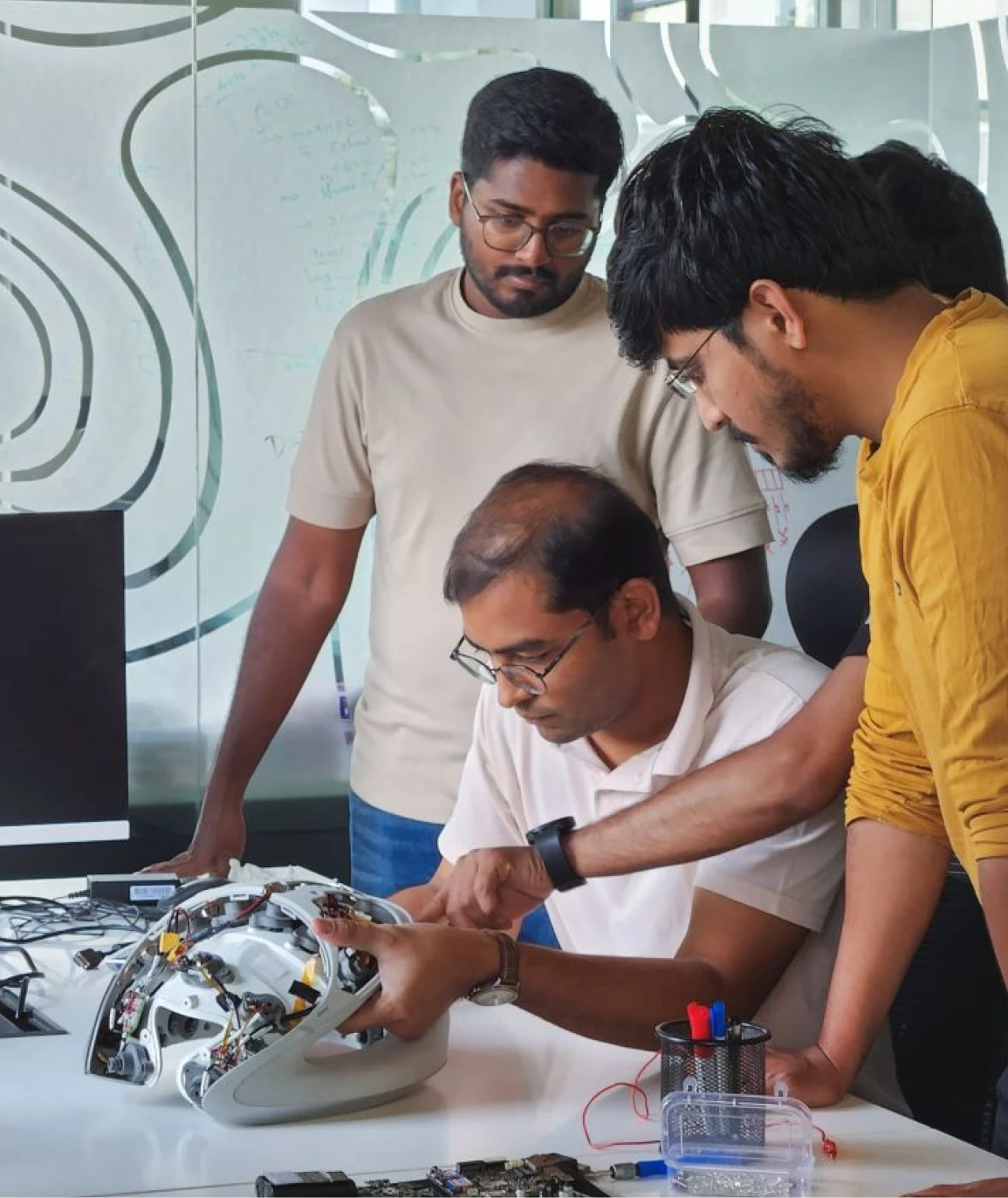
Instinct works entirely on its own. A built in processor handles signal processing, storage, and connecting to other devices, no laptop needed nearby. We considered the electronics alongside the design from day one, so the device and the app never feel like two separate products stitched together. Live signal streaming, electrode control, remote access, and building your own tools through Instinct's developer kit, all of it speaks the same clean, simple language the headgear itself does.
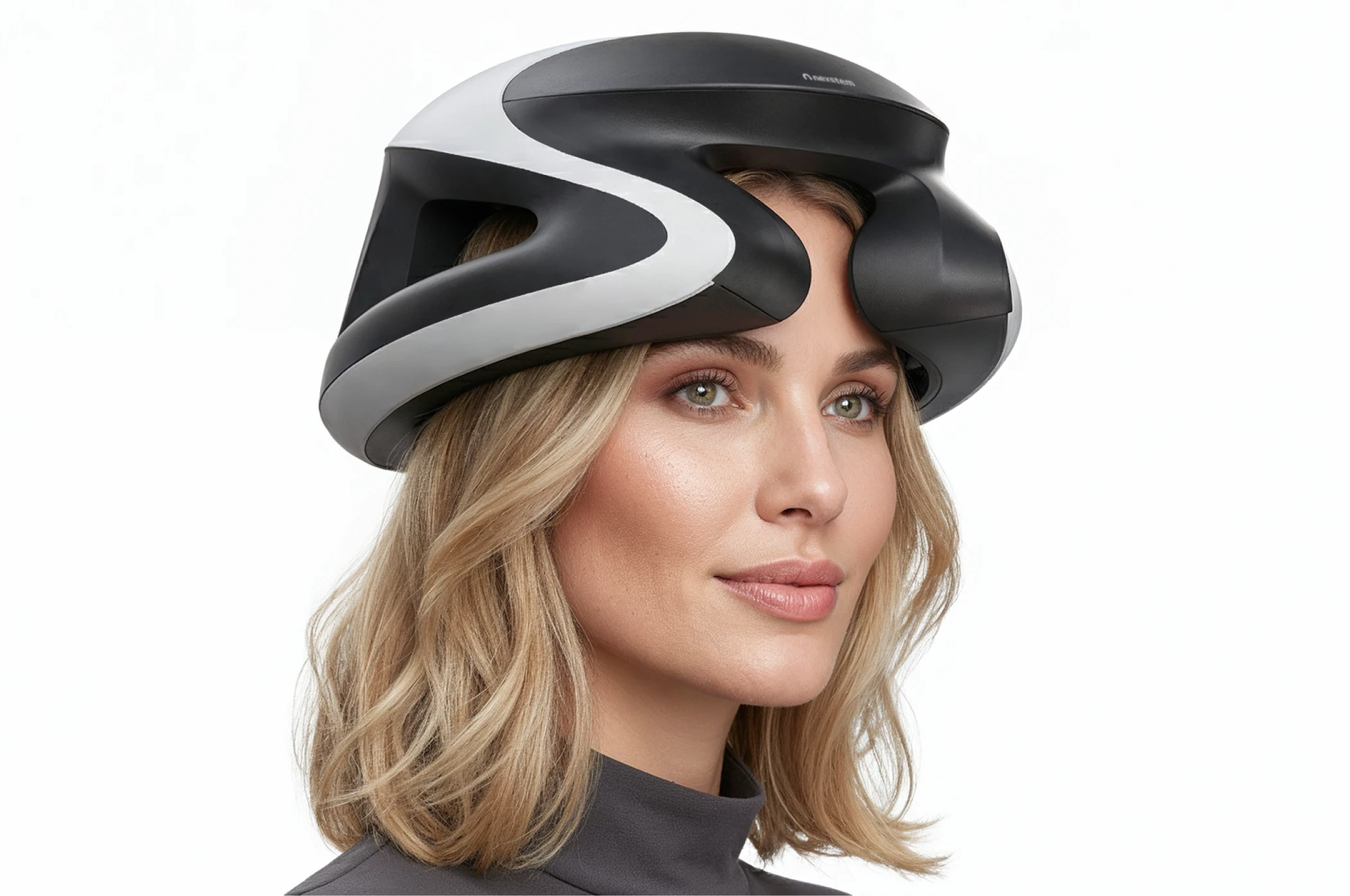
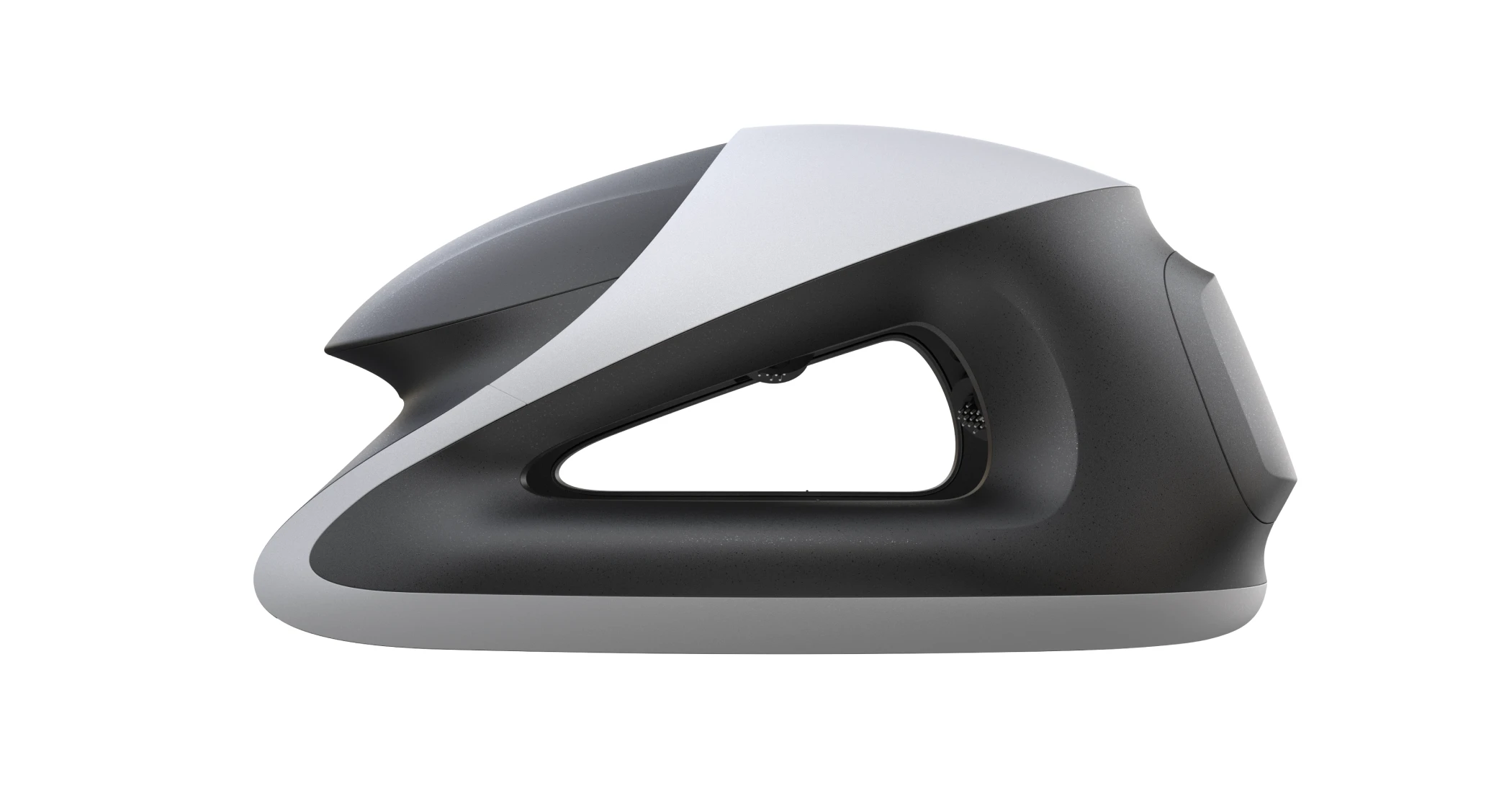
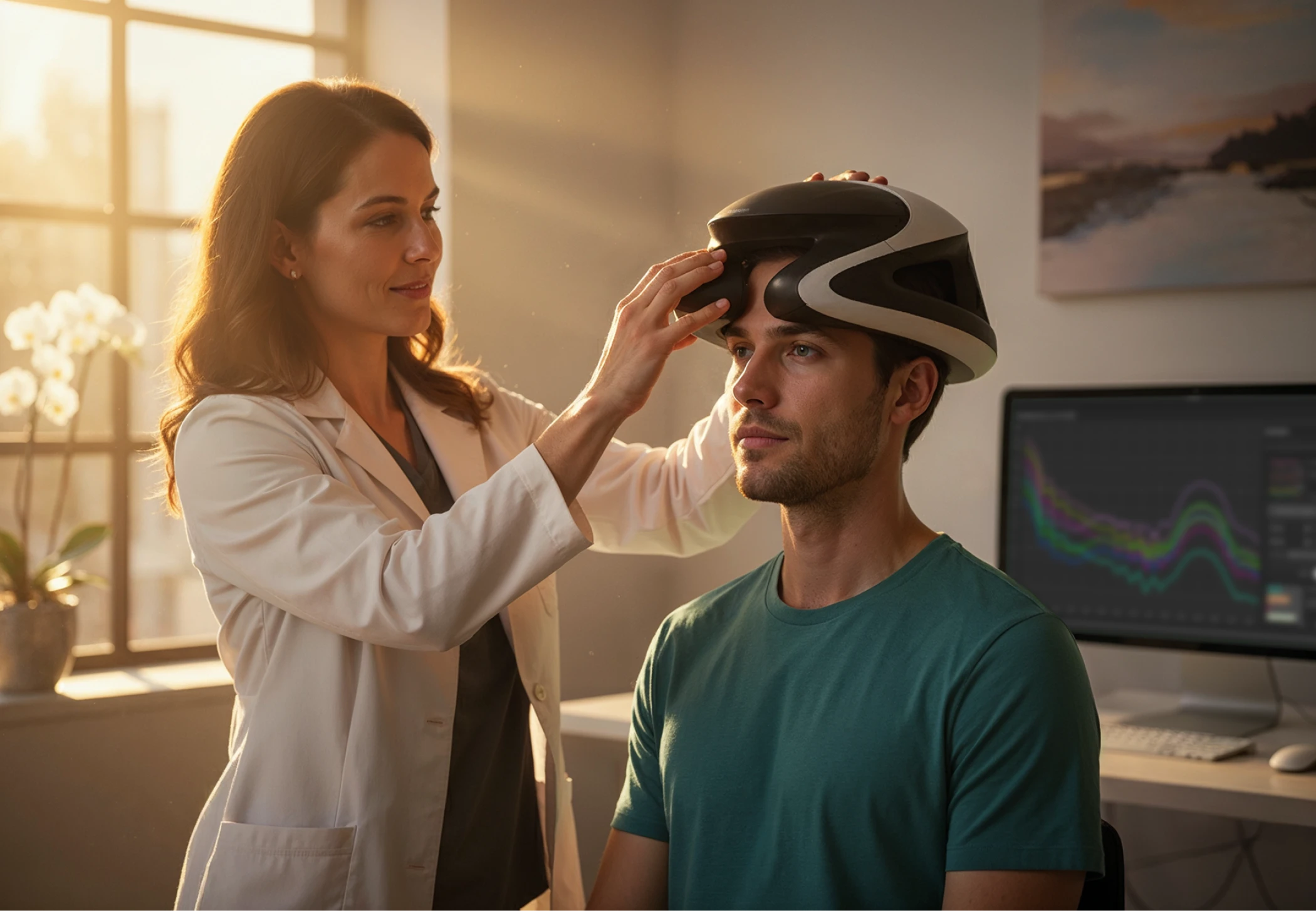
Quiet on the Inside
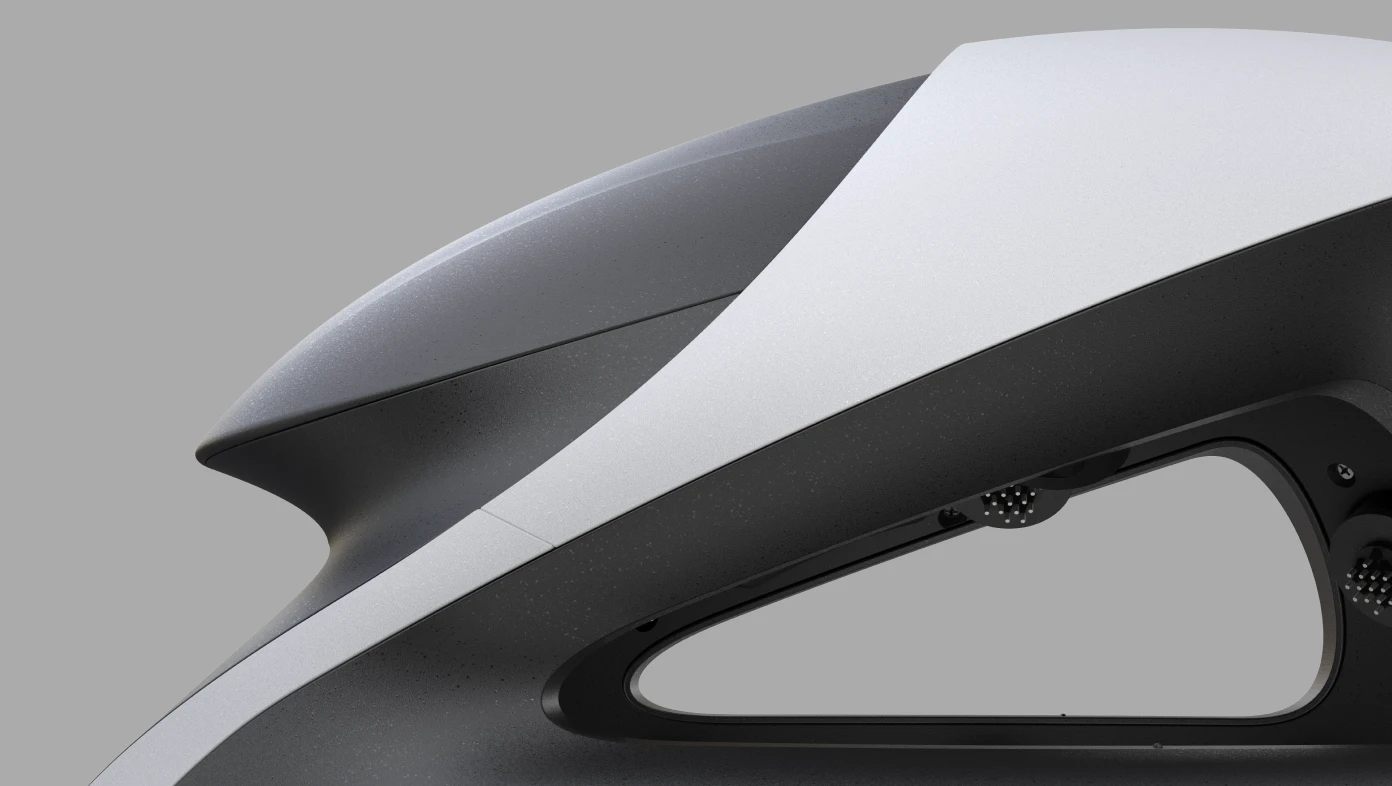
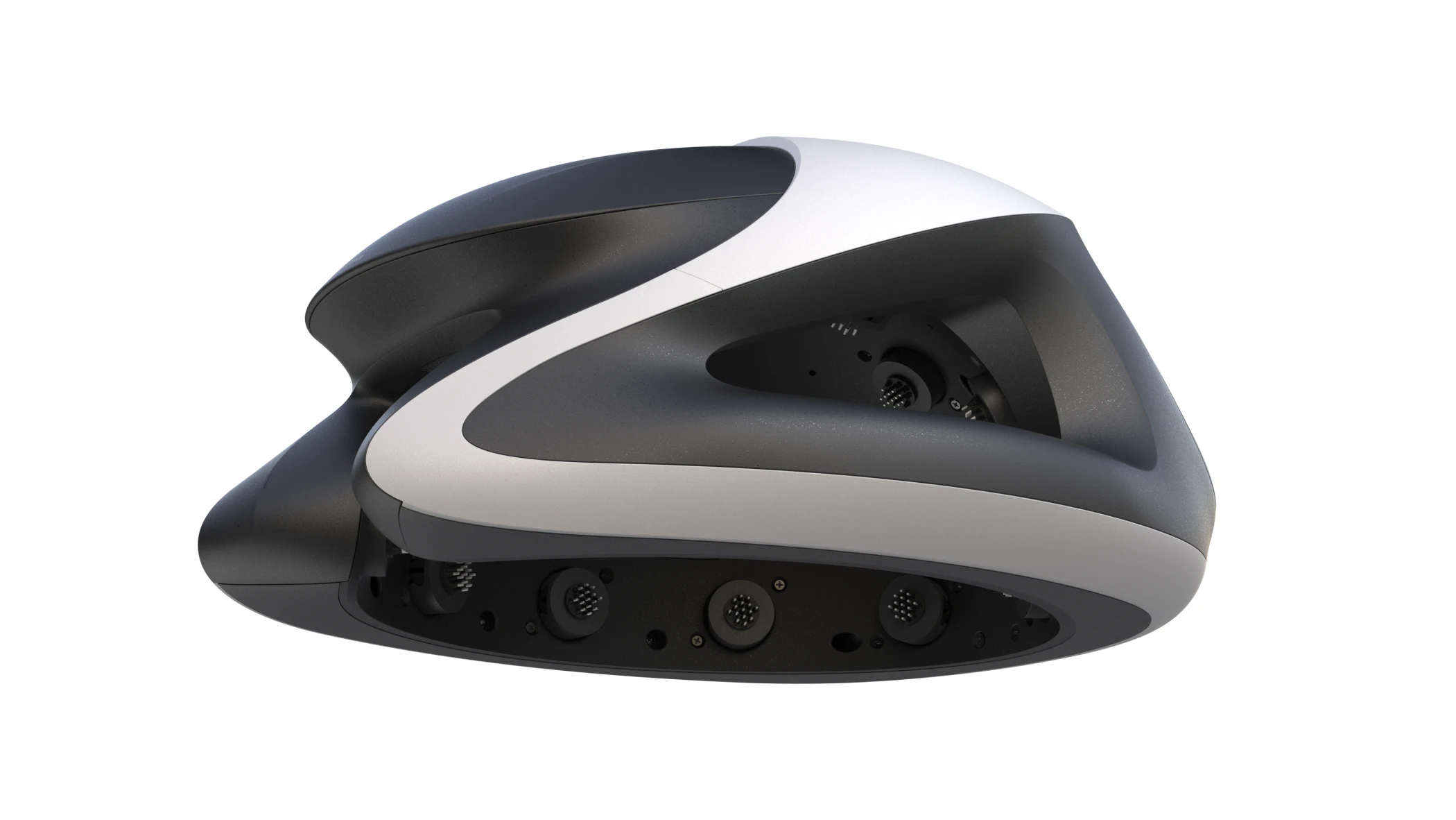
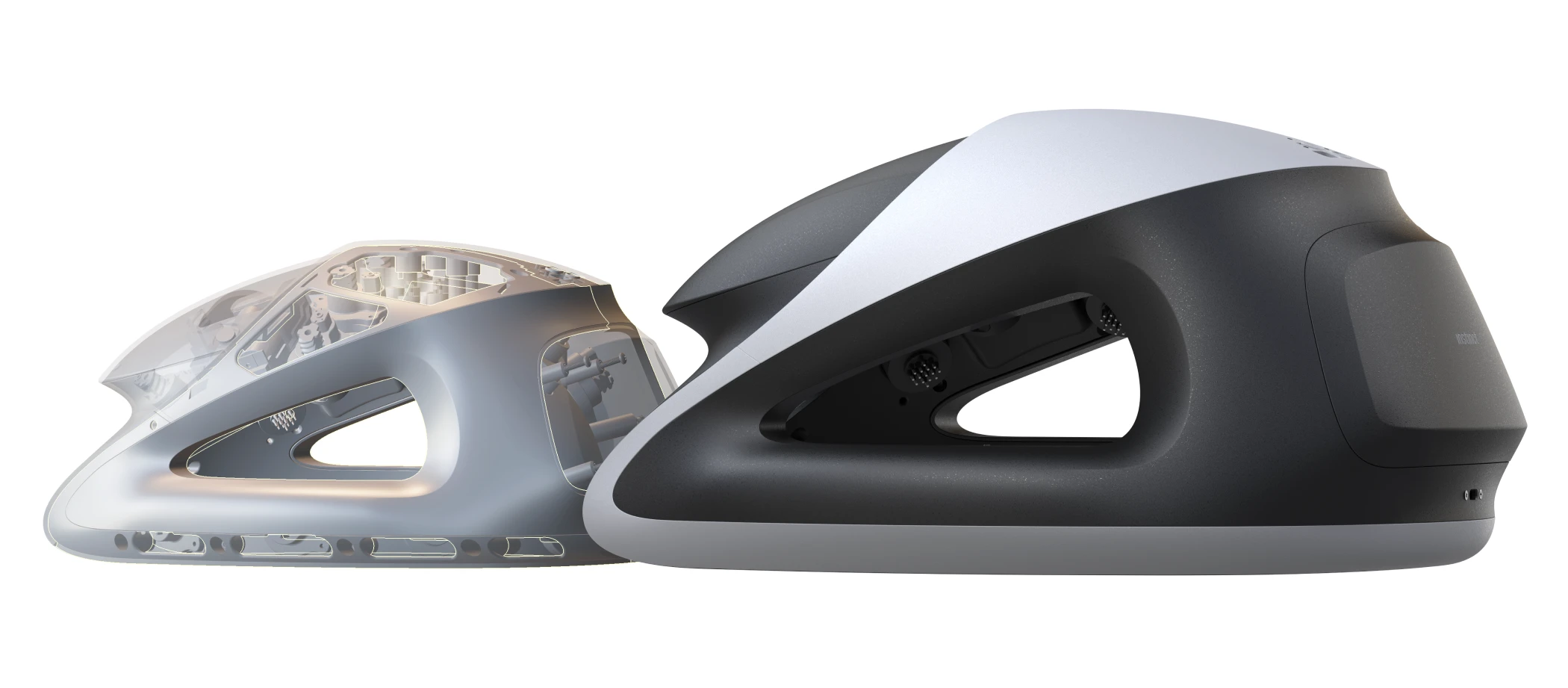
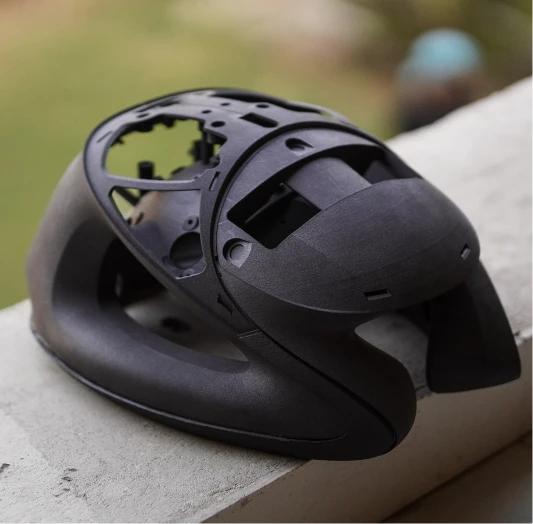
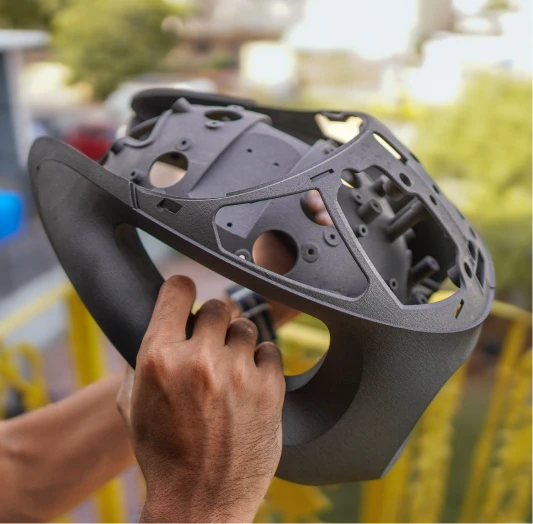
Underneath the shell sits a light frame that routes every part efficiently, along with electrode holders that move on their own to keep contact gentle and steady enough for a clean read of brain activity. The space those moving parts needed governed the form directly, which is why Instinct doesn't look cluttered despite how much is moving inside it. Weight is balanced carefully too, so the whole thing stays light even when worn for a long time.

Built Around Hardware
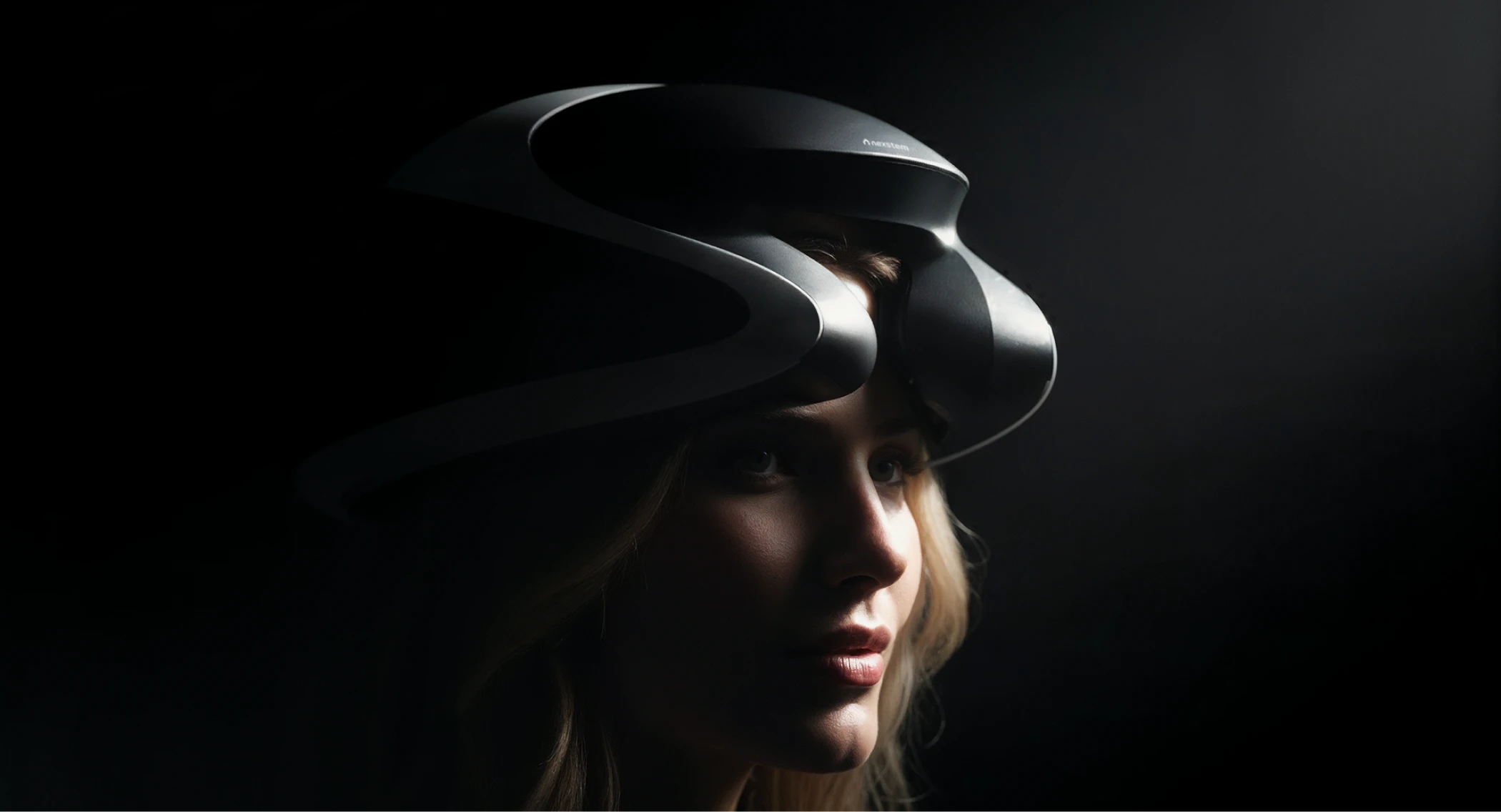
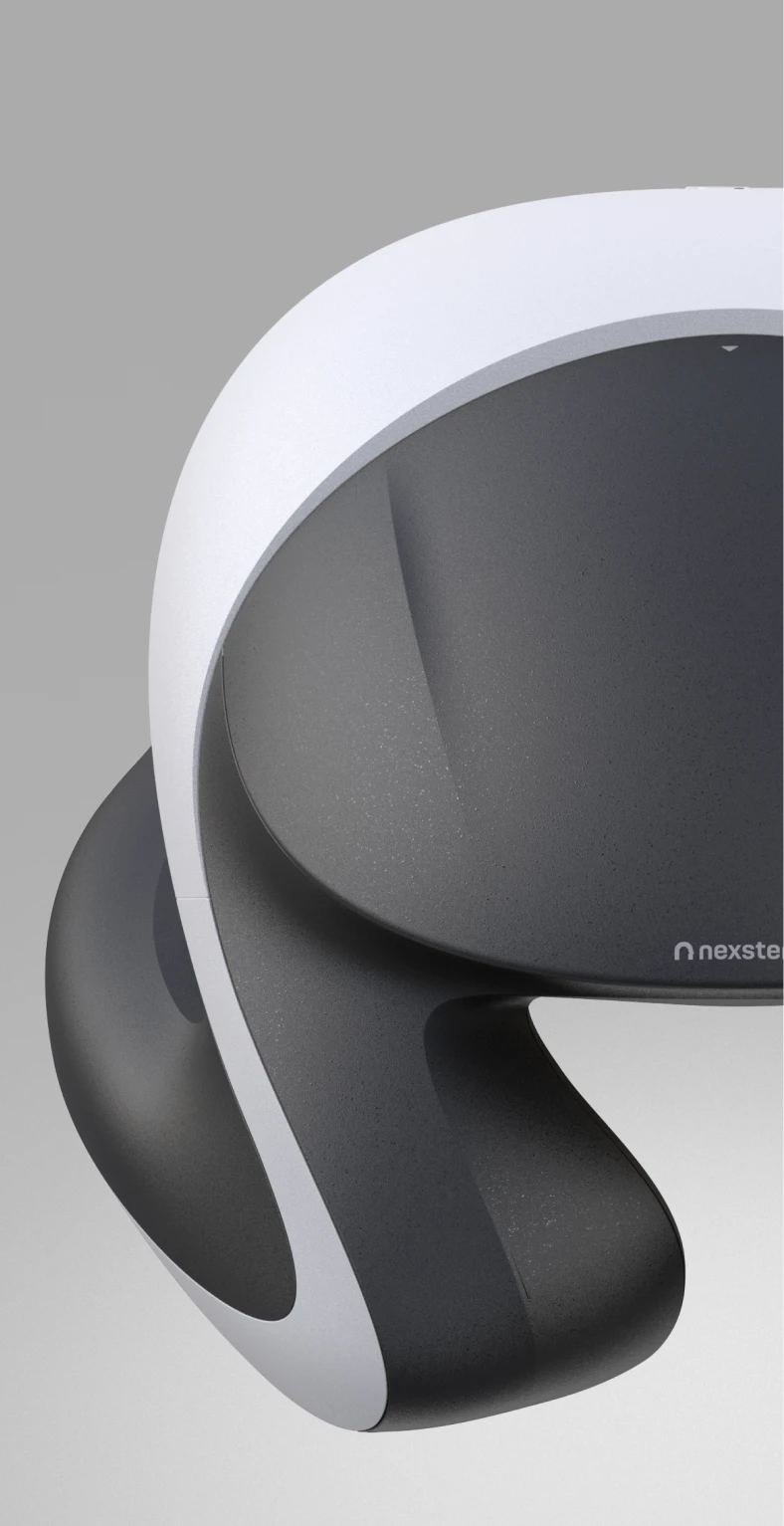
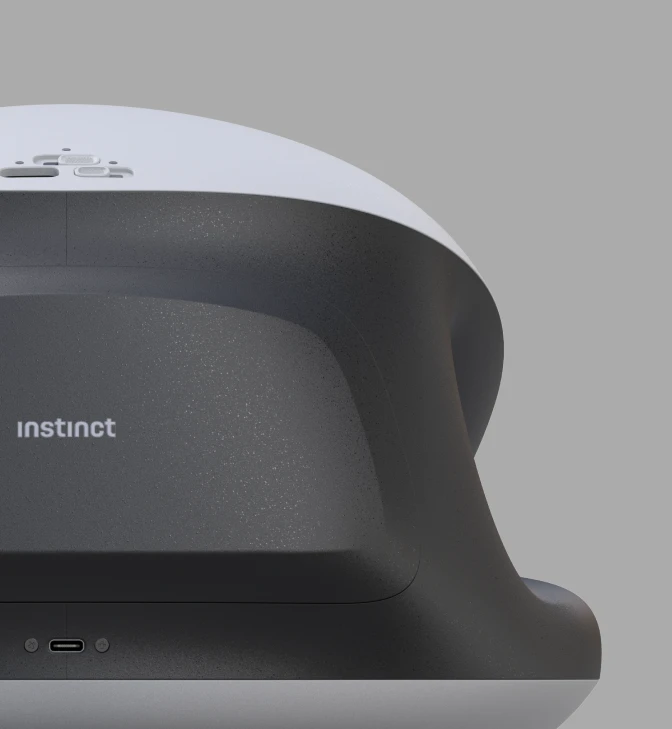
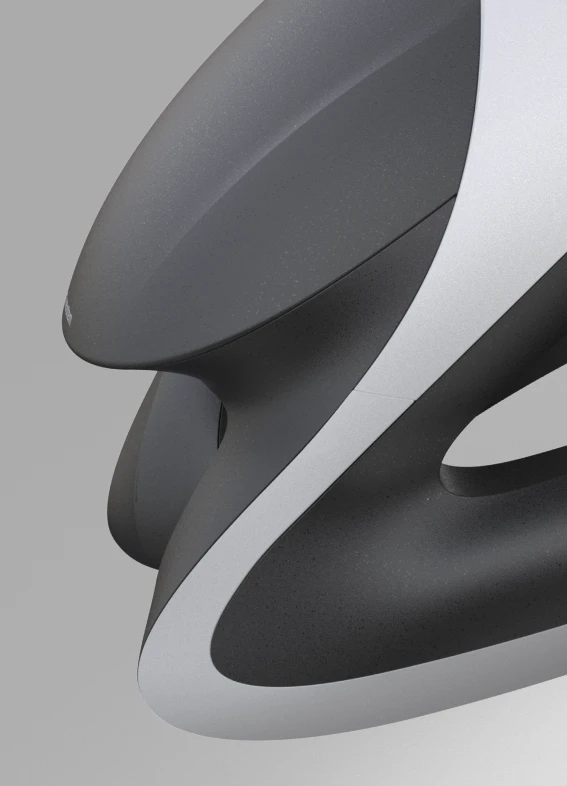
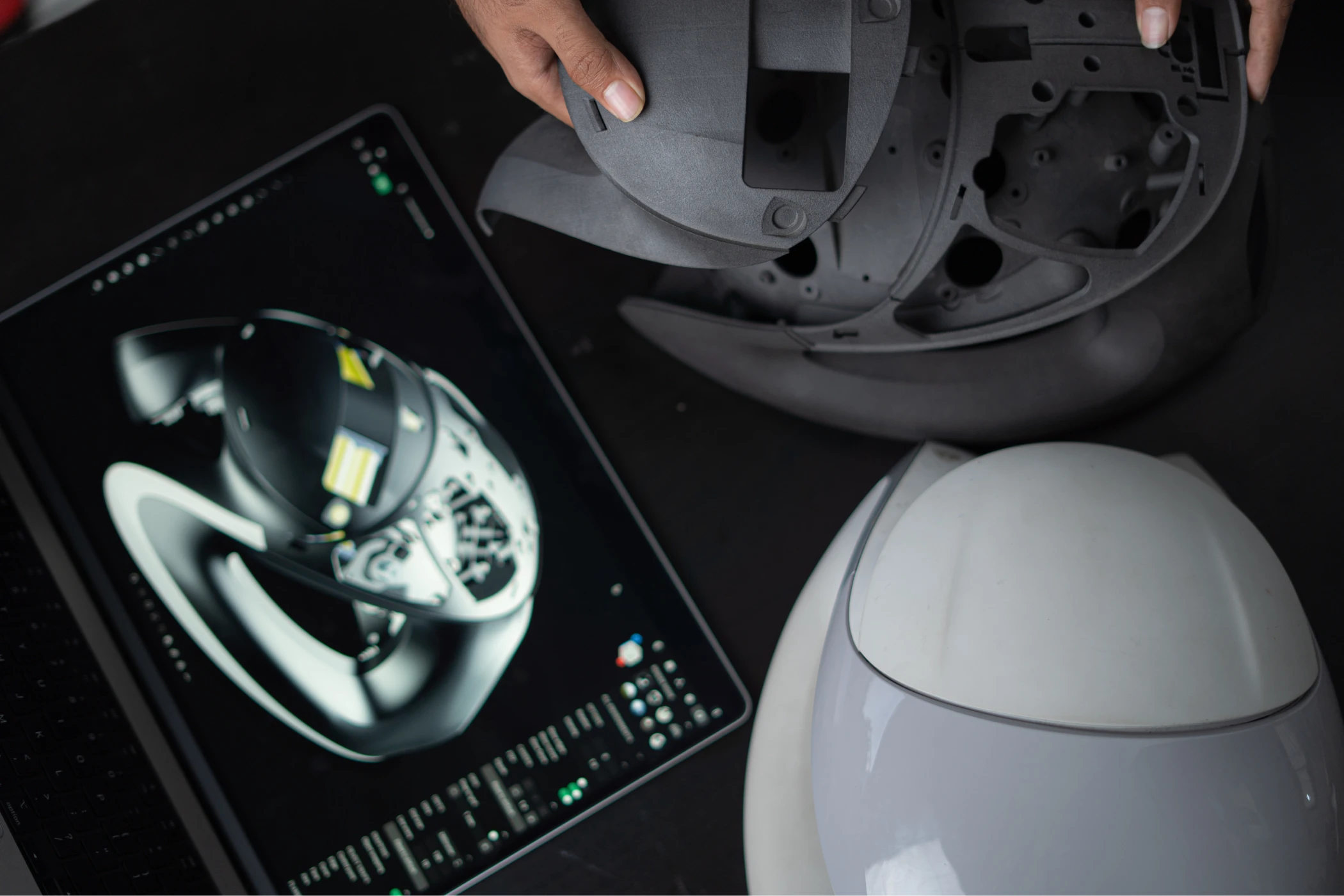
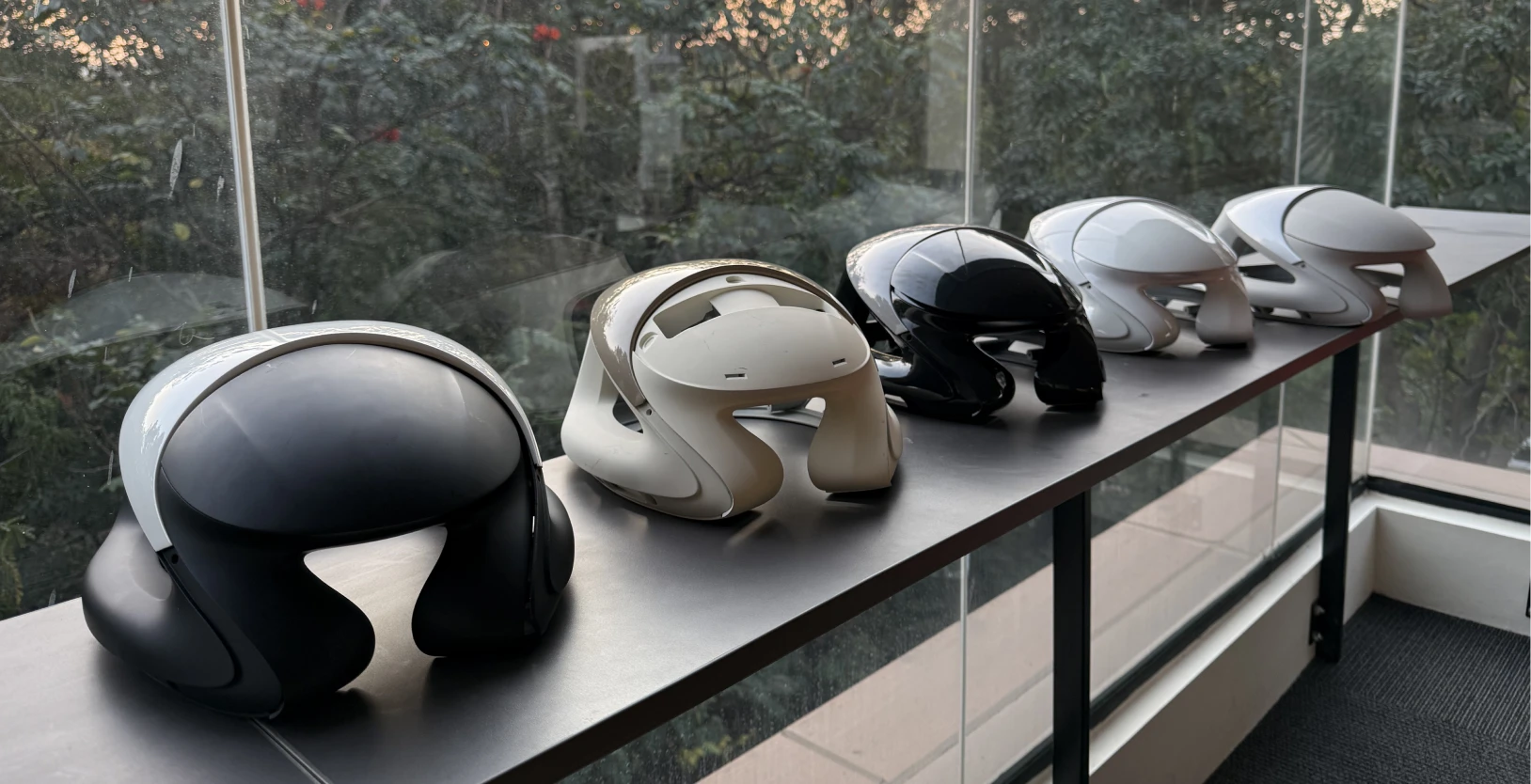
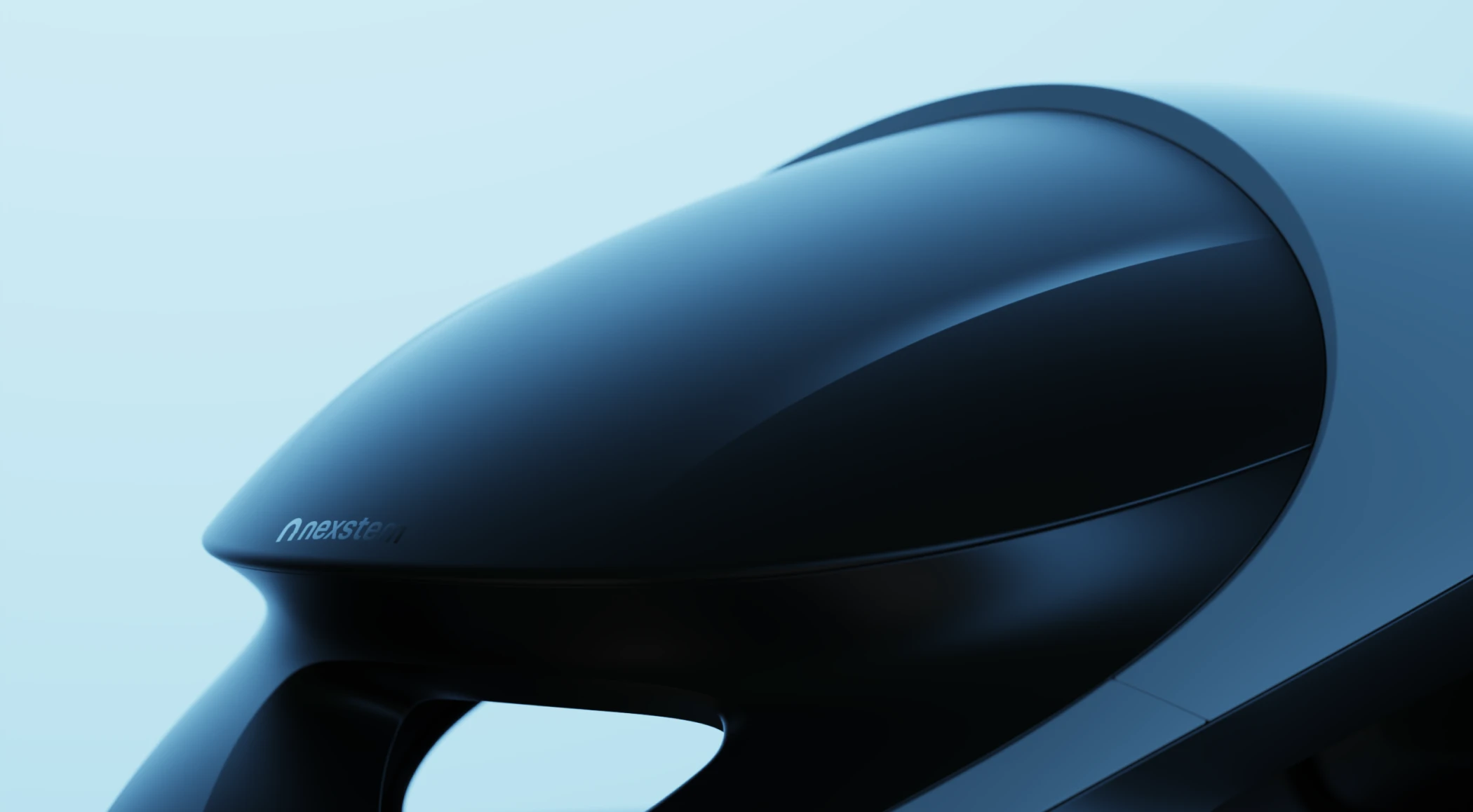
The shell isn't decoration sitting on top of the mechanism, it's shaped directly around the moving parts and electronics underneath. That gave Instinct a very distinct look, surfaces that wrap around the motion inside, sweeping bands that feel like energy caught mid movement, and gaps that cut weight while doubling as grip points. It looks sculptural, but every line on it answers to something actually moving underneath.

Impact
Since Instinct's design work, the platform has become the company's primary growth engine and the reason for its recent evolution. In late 2024, Nexstem (now Anthriq) raised $3.5 million led by InfoEdge, Gruhas, Zupee, and Smile Group, specifically to scale the Instinct Ecosystem, grow its IP portfolio, and expand into American and European markets, bringing the company's total funding to $6.23 million across four rounds. The device's real-world reception backs that up. Industry experts pointed to the focus on miniaturized biosignal systems as the reason the technology can move beyond pilots and into daily clinical practice for millions of patients. Exactly the "adapt the device to the person, not the other way around" premise the Instinct V2 design was built on.
Manikanta Polisetti
Industrial Designer
Krishna Gilda
Industrial Designer
Meet Ramani
Design Engineer
Christopher Richard
Industrial Designer
Yash Bam
Industrial Designer
Kirthana Srinivasan
Industrial Designer
Abhishek Mishra
Design Engineer
Mani Teja
Industrial Designer
Lakshita Drolia
Industrial Designer
Rahul Prabhakaran
Industrial Designer
Deepansh Goyal
CTO
Vivek Raja
VP, Product