Auskey
The stethoscope is the most recognisable object in medicine, and one of the least changed. Its digital successor has been available for years, but price has kept it out of reach for many practitioners and students. Auskey, the diagnostics company within Yashraj Biotech, set out to change that. When they came to us, they had a working prototype with the electronics figured out. No housing, no form. What they needed was an actual product that would belong in a clinic.
An analog stethoscope moves sound through air and tubing to an ear. A digital one turns that sound into a signal that can be amplified, filtered, stored, replayed and shared to a specialist in another state. None of the components that make this possible are new. Assembling them into something a doctor in an Indian clinic could justify buying was the actual problem.
Cost set the floor, and everything else had to work above it. The device had to sit comfortably in a hand that would hold it multiple times a day, across doctors who all hold it differently. It had to look like something a doctor would love to choose. And it had to survive a clinical day without feeling heavy to carry around.
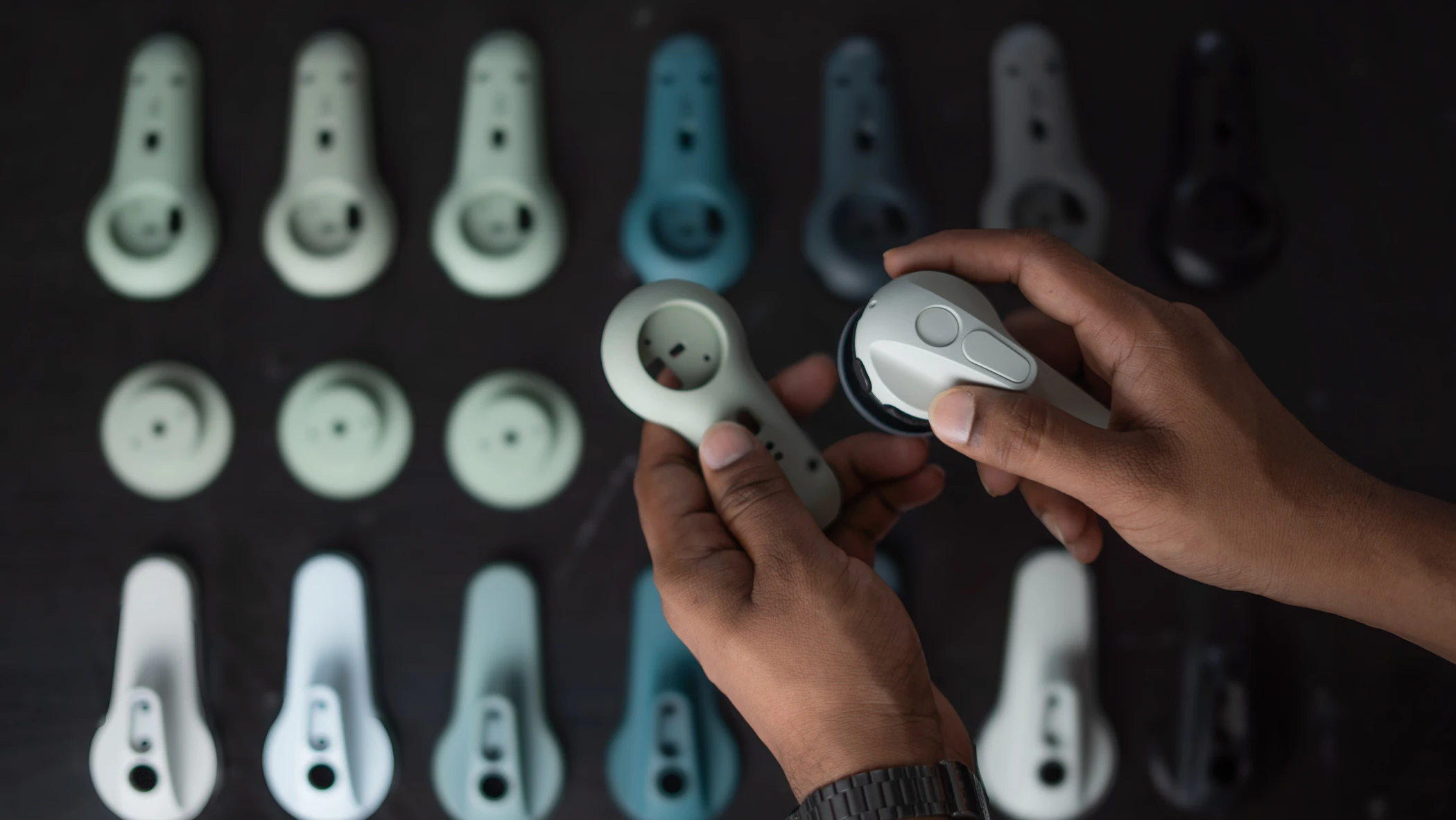
So we worked the device from both directions at once. Packaging and part splits pushing outward from the inside, form and grip pushing back from the outside, each one constraining the other. Running through all of it, a quieter obligation. Doctors have trusted this instrument for two centuries. Whatever replaced it had to earn the same trust.
Forming Perceptions
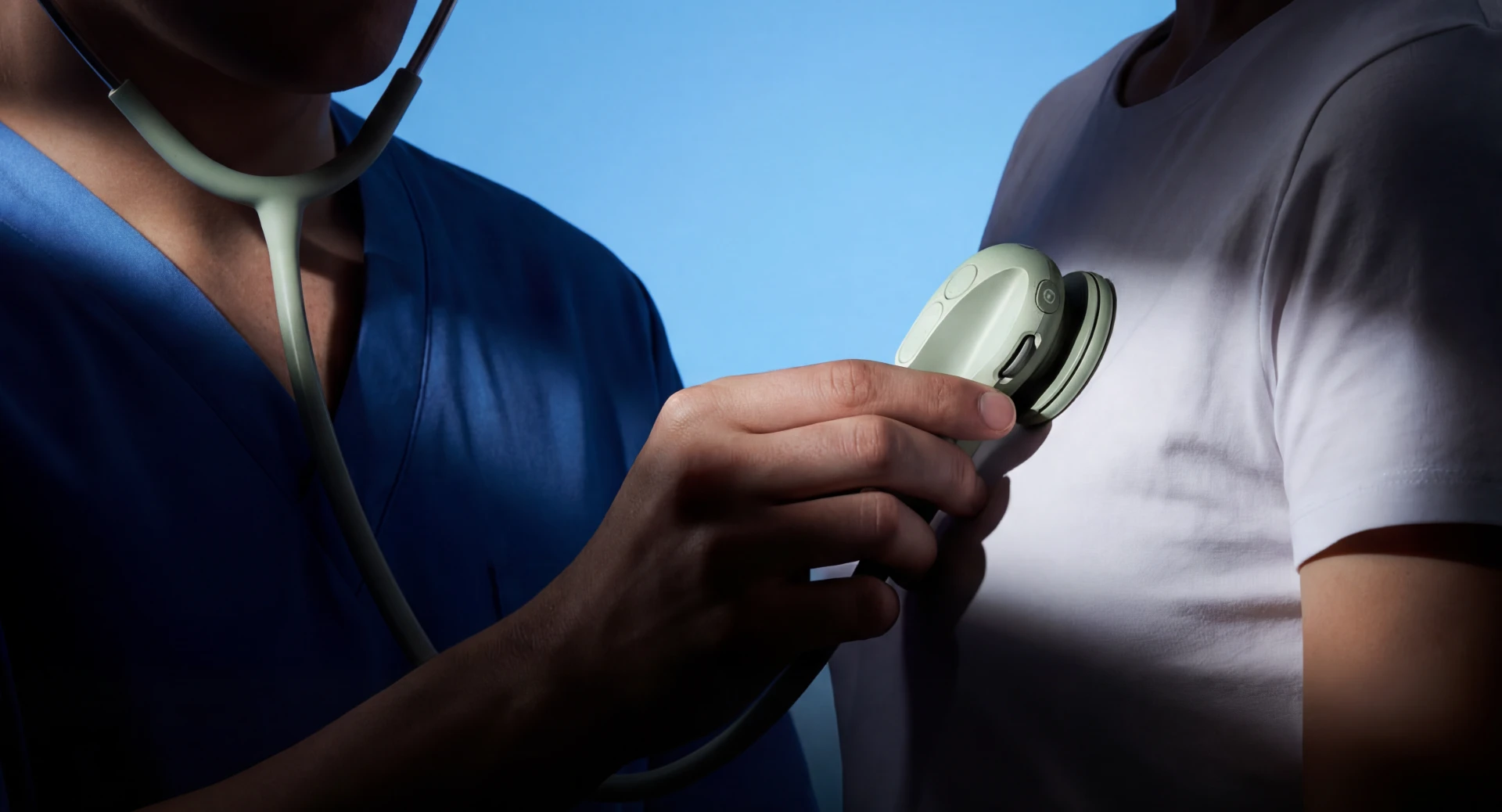
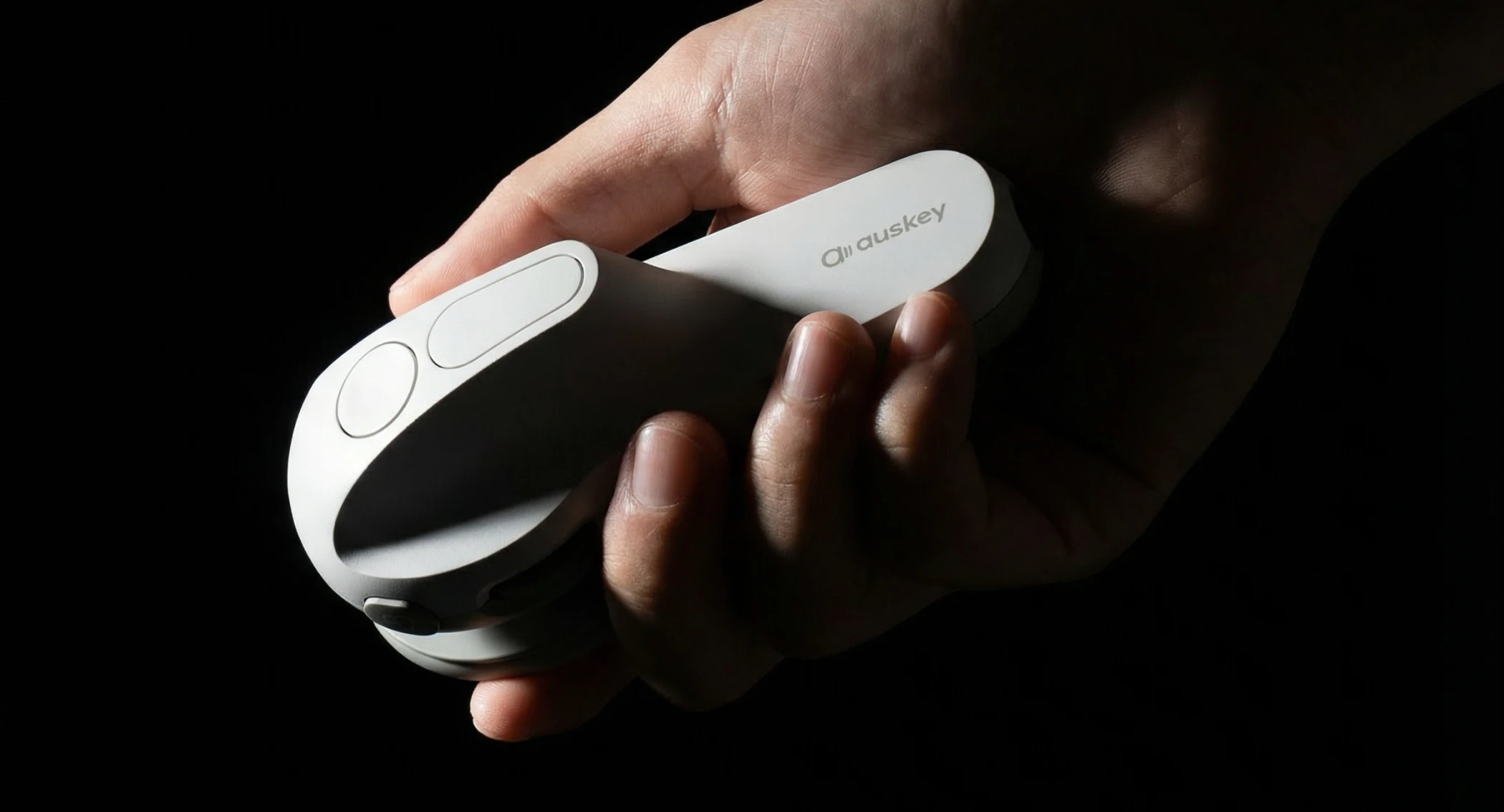
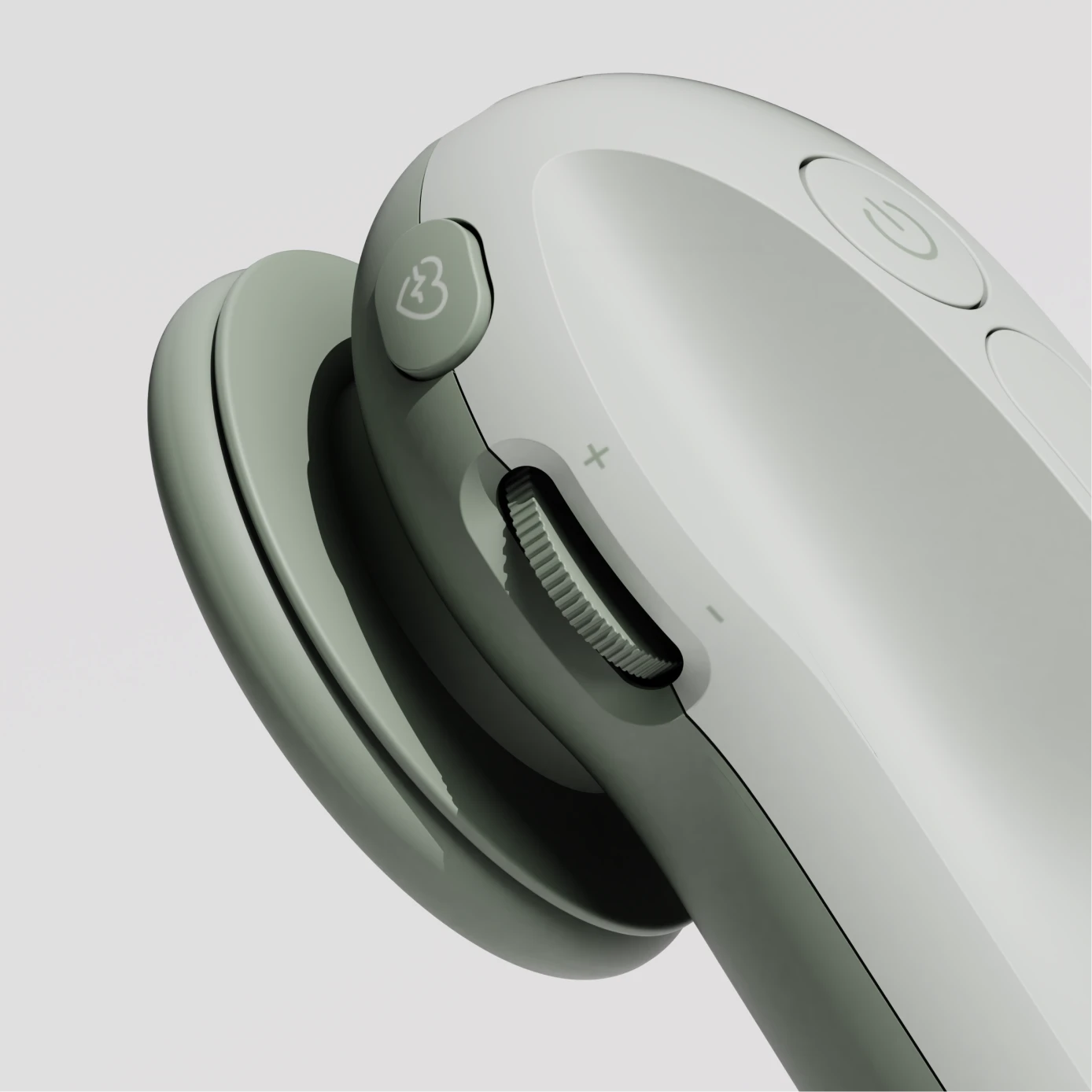
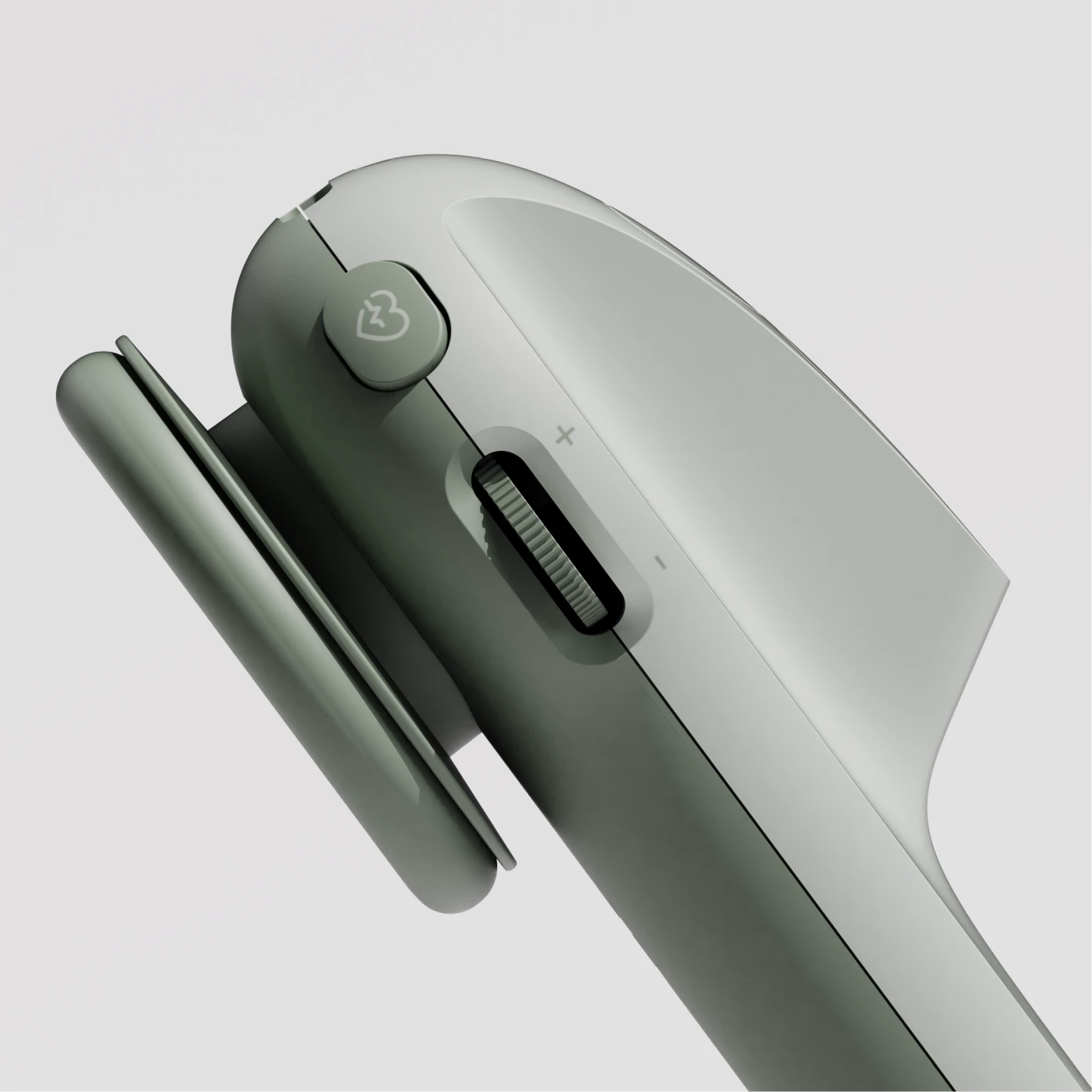
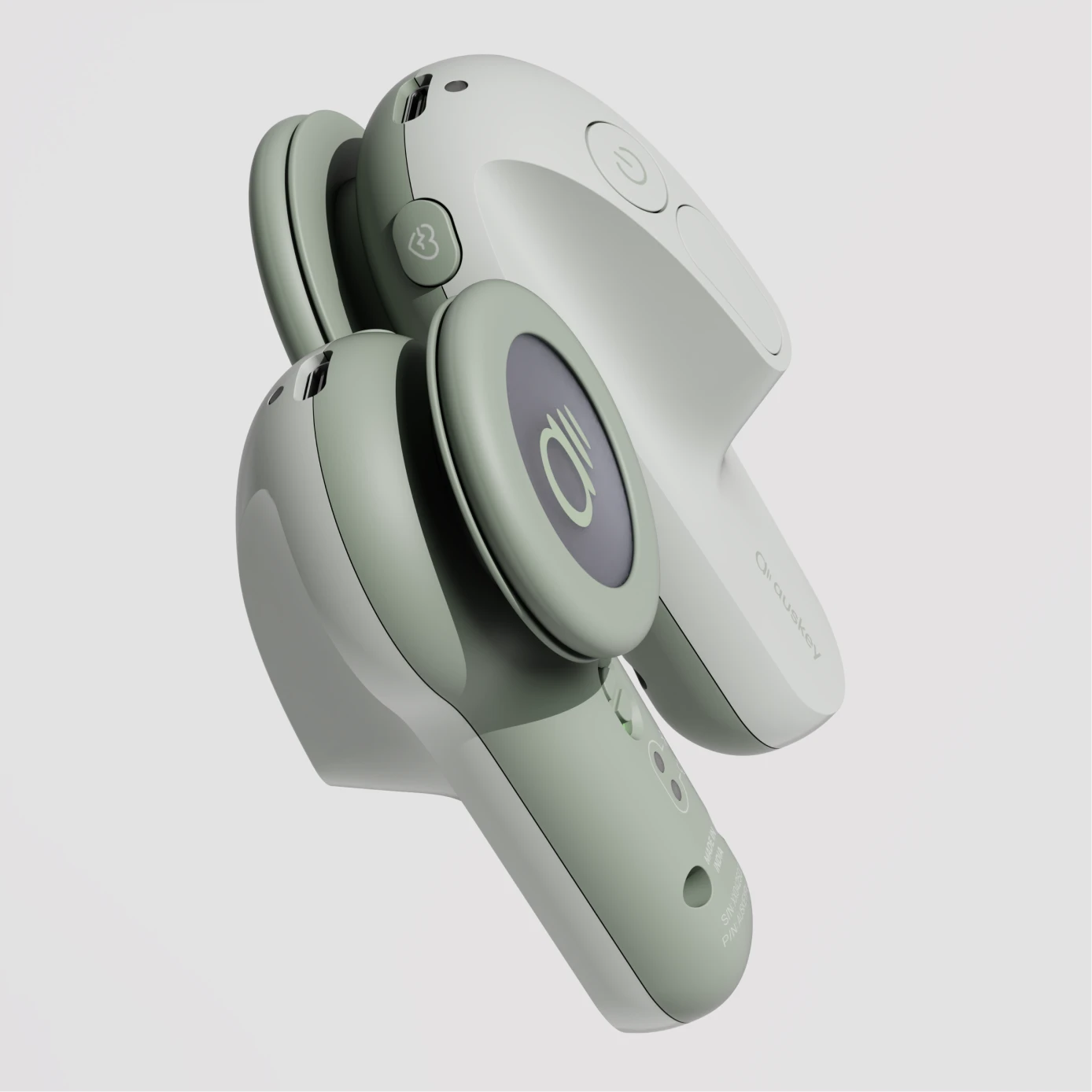
Most medical hardware looks like it belongs to the hospital. We wanted Auskey to look like it belongs to the doctor. The surfaces are soft and sculpted, the detailing is kept to a minimum, and the visual noise is taken out, so the silhouette sits nearer to personal electronics than to institutional equipment. The aim was an object that reads as precise without reading as intimidating, something a doctor would choose to carry. Something that is confident enough to be taken seriously, yet calm enough that a nervous patience doesn’t get intimidated.


Every Hand Holds It Differently
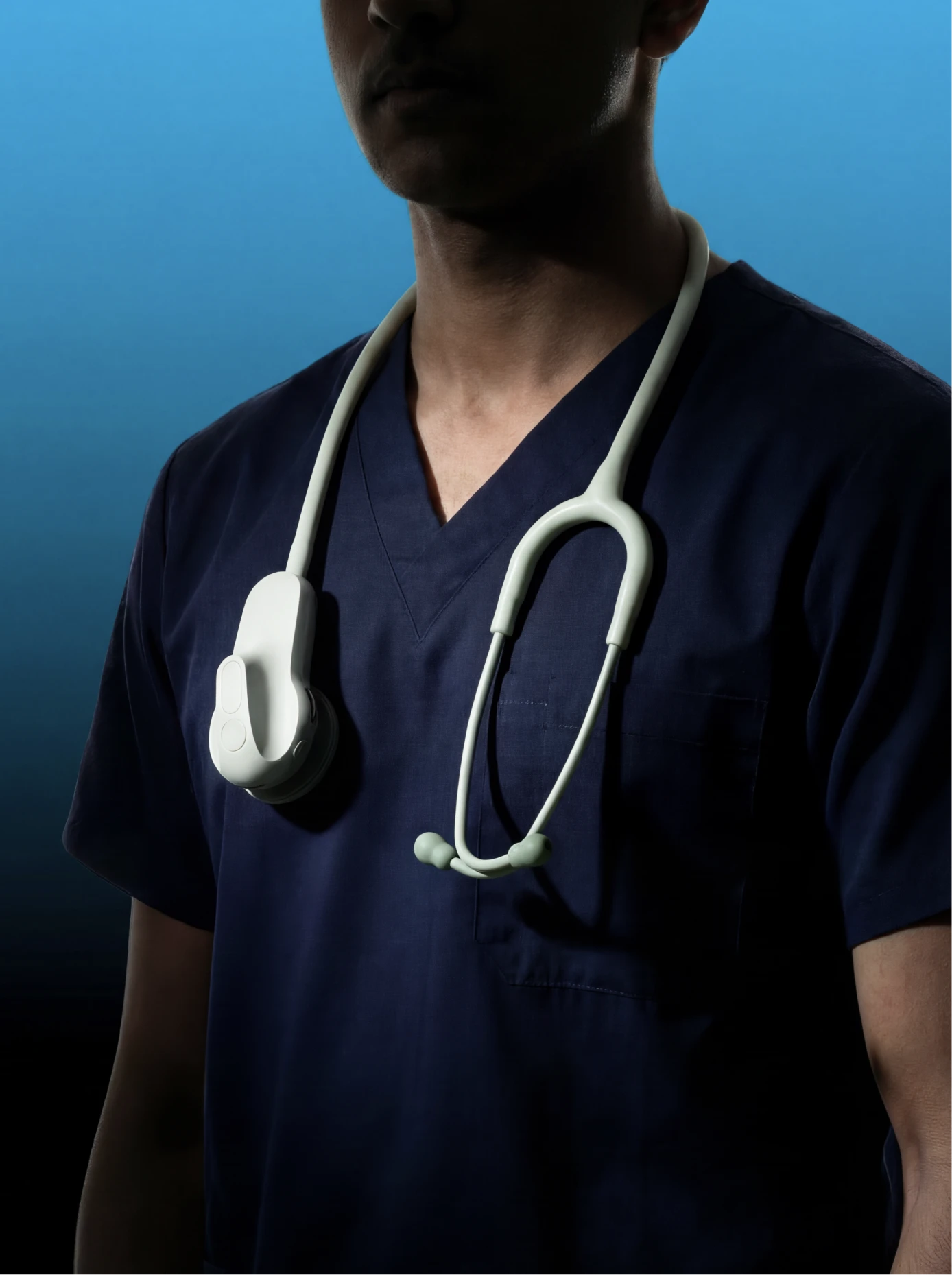
Usage studies showed there is no single correct way to hold a stethoscope. Some doctors pinch the chestpiece between their fingers, some rest it in the palm, some work the controls with a thumb while the rest of the hand stays still. Designing for one grip would have penalised the other two. So the form supports all three. The device adapts to the doctor’s hand instead of asking the hand to retrain.
The Non-Negotiables
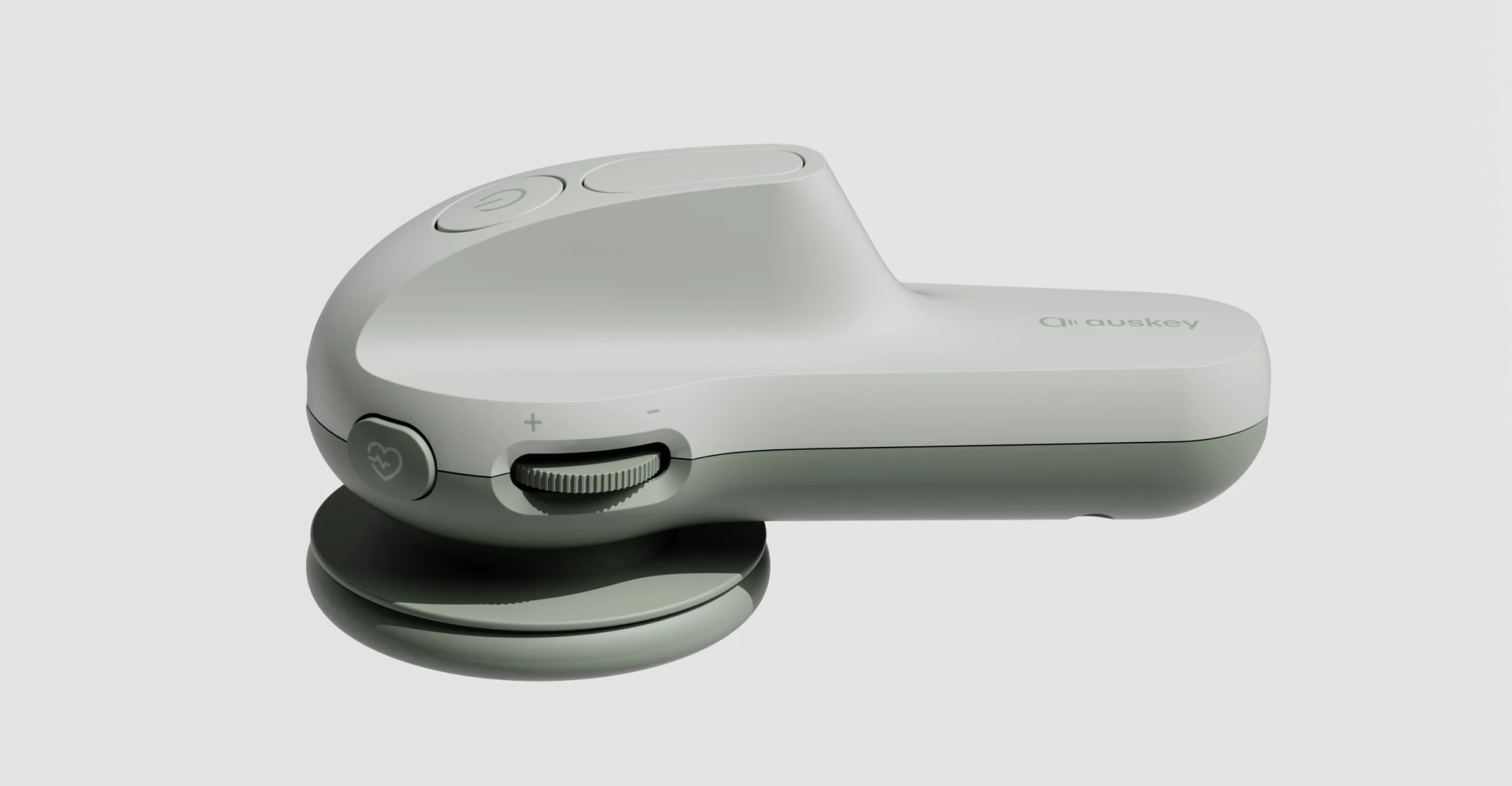
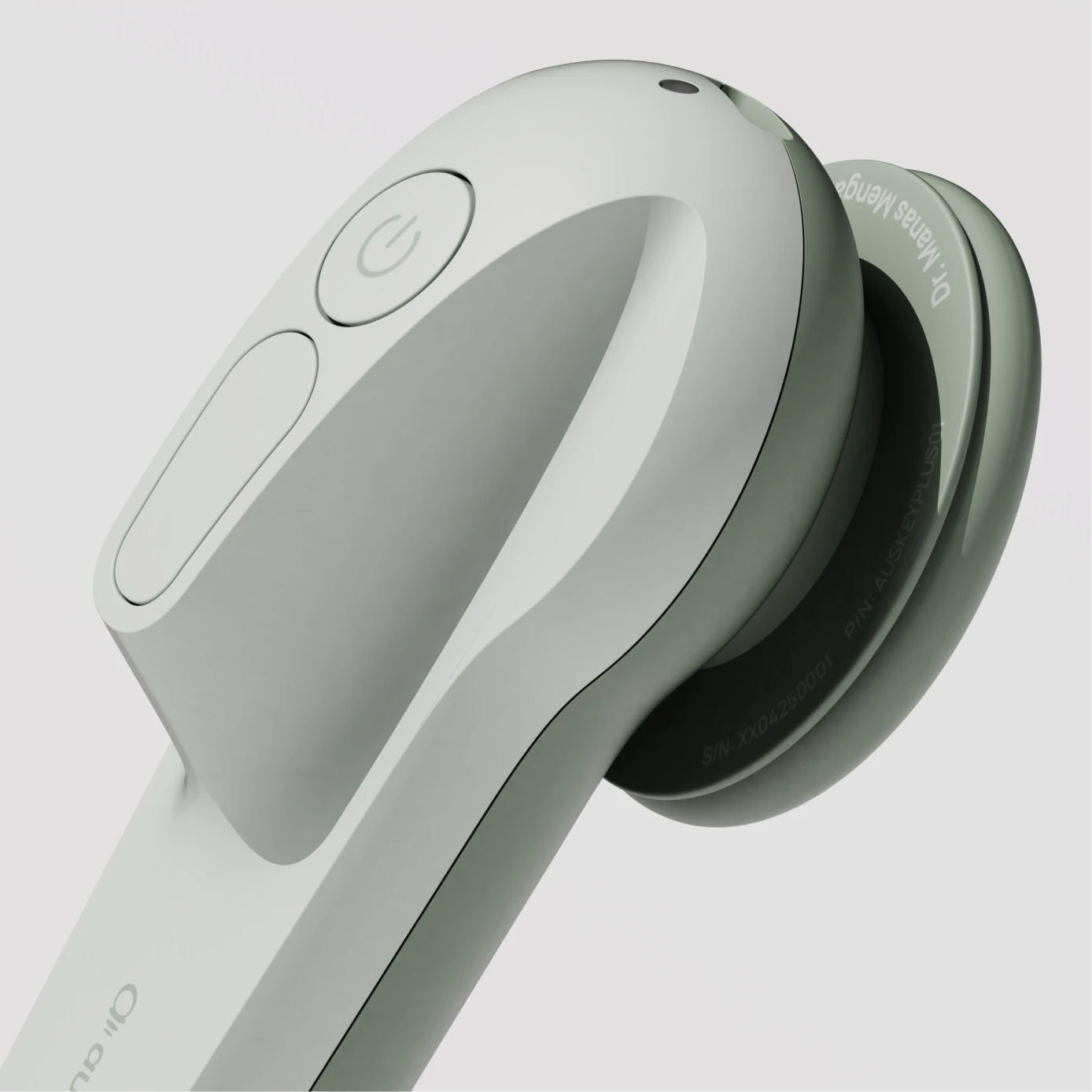
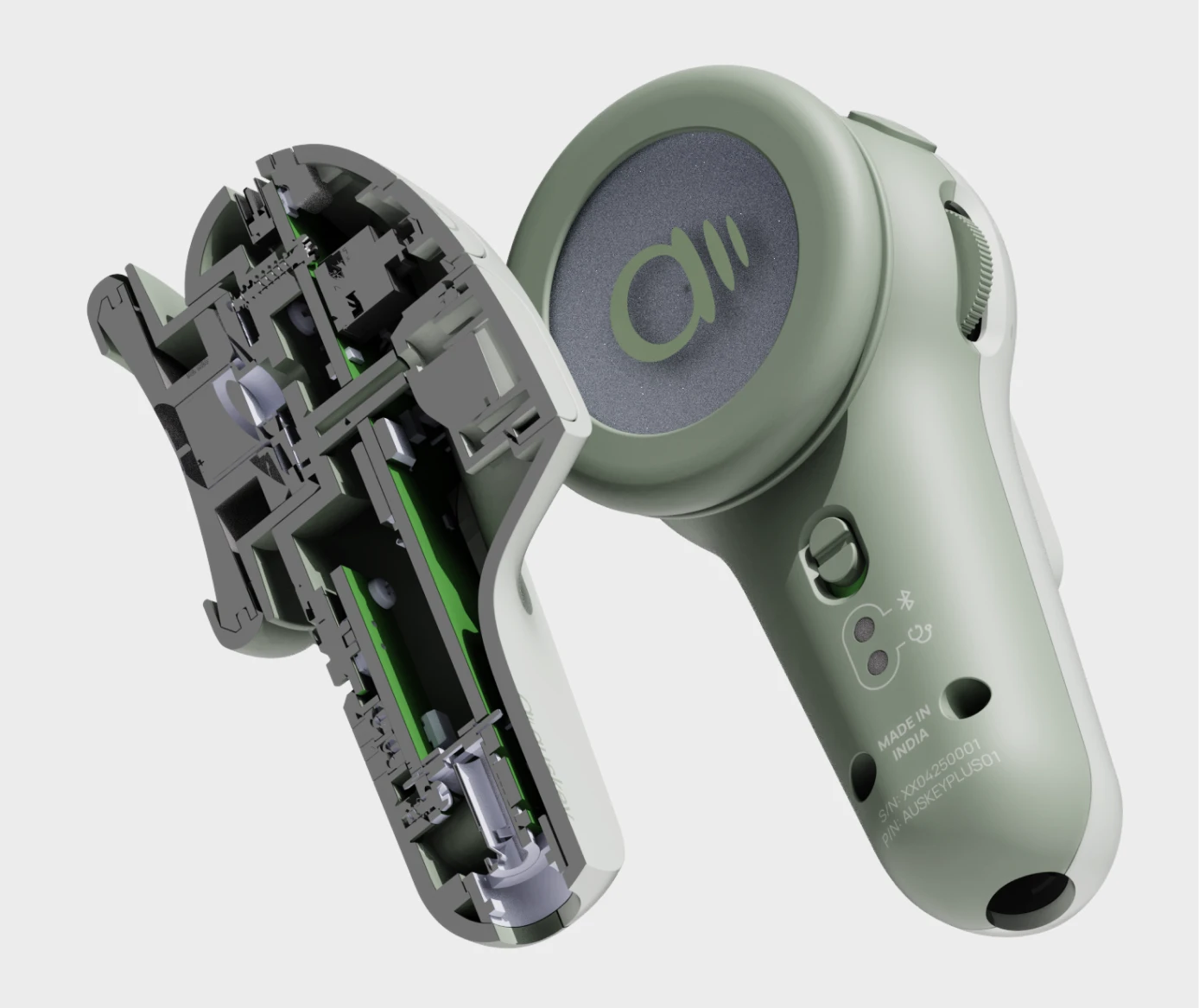
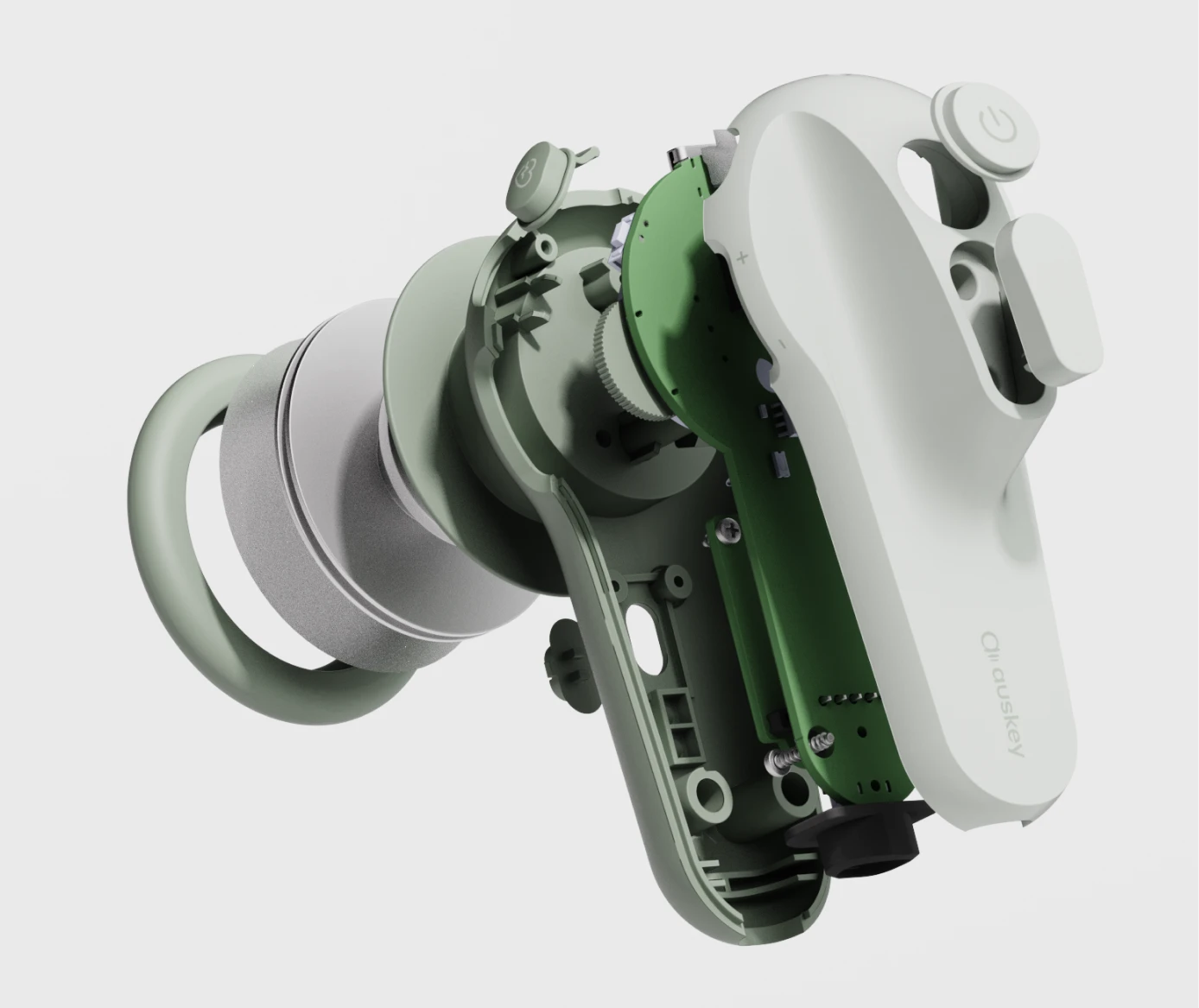
Everything on the device was negotiated with. Internal volume, component footprint, and tooling complexity, each justified its presence. But the non-negotiables stayed. It had to hear accurately, because a stethoscope that hears wrong is worse than none at all. It had to survive a clinical day and the drops that come with one. The device had to diagnose as reliably as the ones that cost several times more.
Impact
Auskey hasn’t reached the market yet, so for now the measure of this work is the object itself. It began as a crude prototype and is now a product shaped around a price more doctors and students can reach, engineered for production at scale and for a full clinical day. It was designed for the places that need it most: rural clinics far from specialists, field and defence units, and teaching rooms where one sound has to reach a whole class. The device has been shown to Defence Minister Rajnath Singh, who found its design impressive. The real test is still ahead: a heartbeat recorded in one of those rooms and heard by a specialist who isn’t in it.
Yash Bam
Industrial Designer
Shairly Jain
Industrial Designer
Christopher Richard
Industrial Designer
Kashyap Patel
Industrial Designer
Meet Ramani
Design Engineer
Jay Bhanushali
Project Owner
Dr. Arnab Ghosh
Inventor & Advisor
Dr. Manas Mengar
Medical Mentor