Mave Health
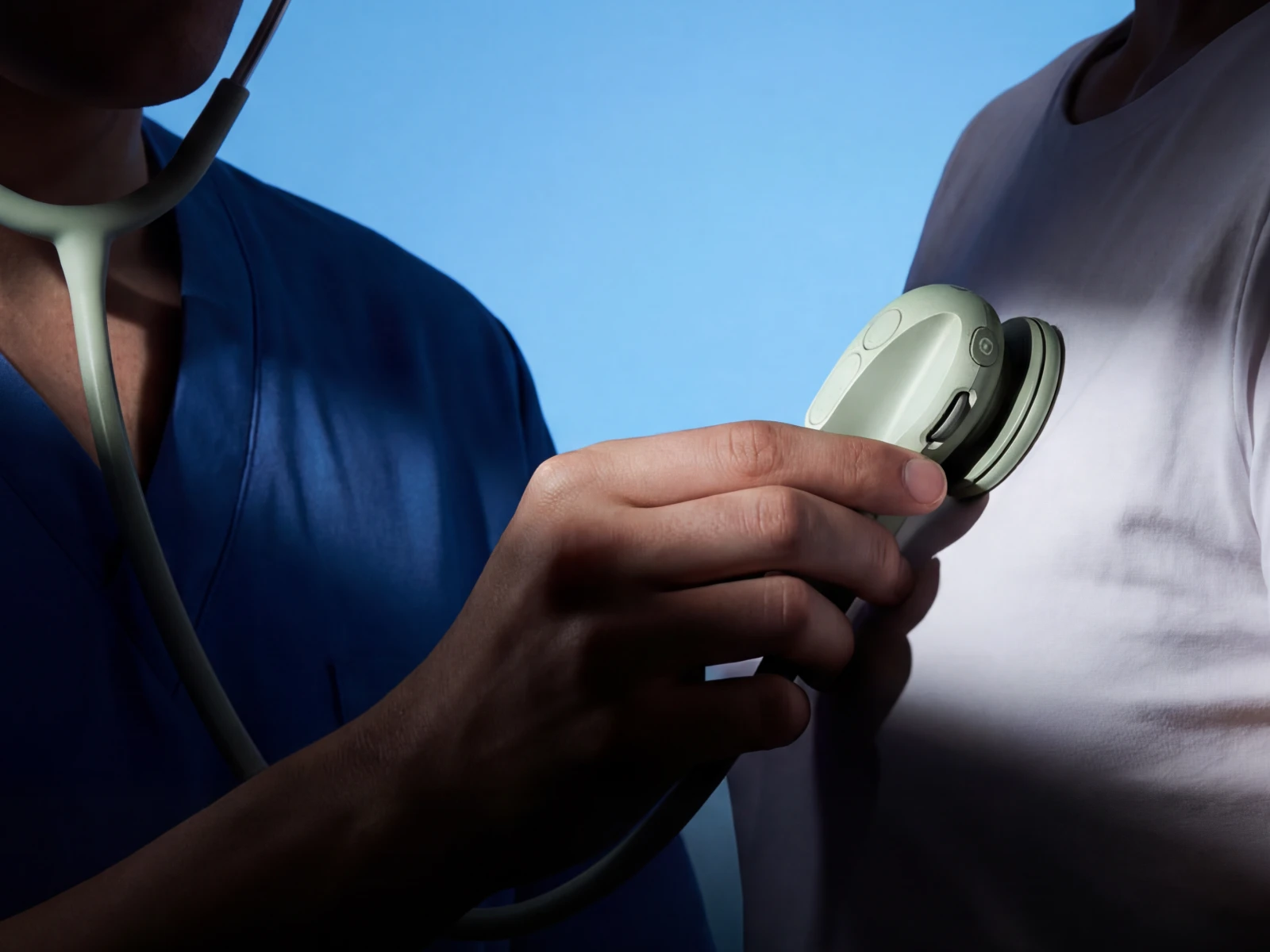
What does it take for someone to wear a personal wellness device in public, on purpose? Transcranial stimulation has worked in clinics for decades but never as a consumer product. Every device before this one was bulky, clinical, and uncomfortable enough that people tolerated it rather than chose it. Mave Health, a neurotechnology company based in Bangalore and San Francisco, came to us in 2024 with a working prototype and a harder question: could this be something people actually wanted to wear?
Our research found three problems that were actually one. The device looked like medical equipment, so people treated it that way, something to hide instead of wear. The electrodes barely touched the skin, so current bunched up at a few points and caused the burning, pricking feeling users kept mentioning. And the people Mave Health wanted to reach, across India and the US, had such different head shapes that no single rigid design could fit everyone.
We didn't treat these as three separate problems. Fixing the contact issue meant rethinking how an electrode touches skin in the first place, and that same fix ended up solving the fit problem too. Once the electrode could move instead of forcing the head to adjust, comfort and universal sizing became the same decision.
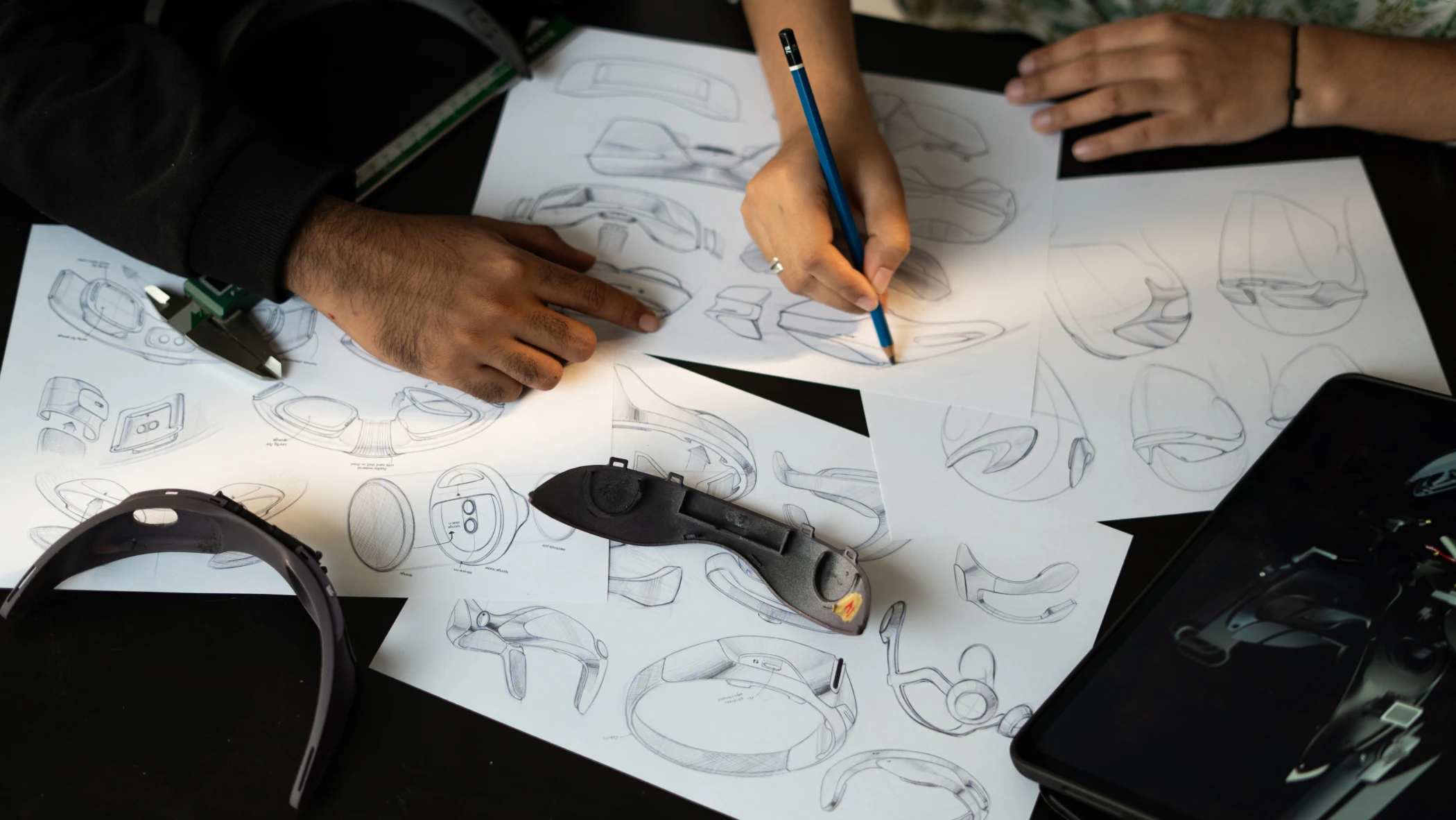
From there the work spread across market research, industrial design, manufacturing planning, ergonomics for two very different populations, color and material choices, and even the charging dock. It took close to a year and a half, most of it spent answering one question: how do you make a tDCS device so comfortable and aspirational that people wear it with pride?
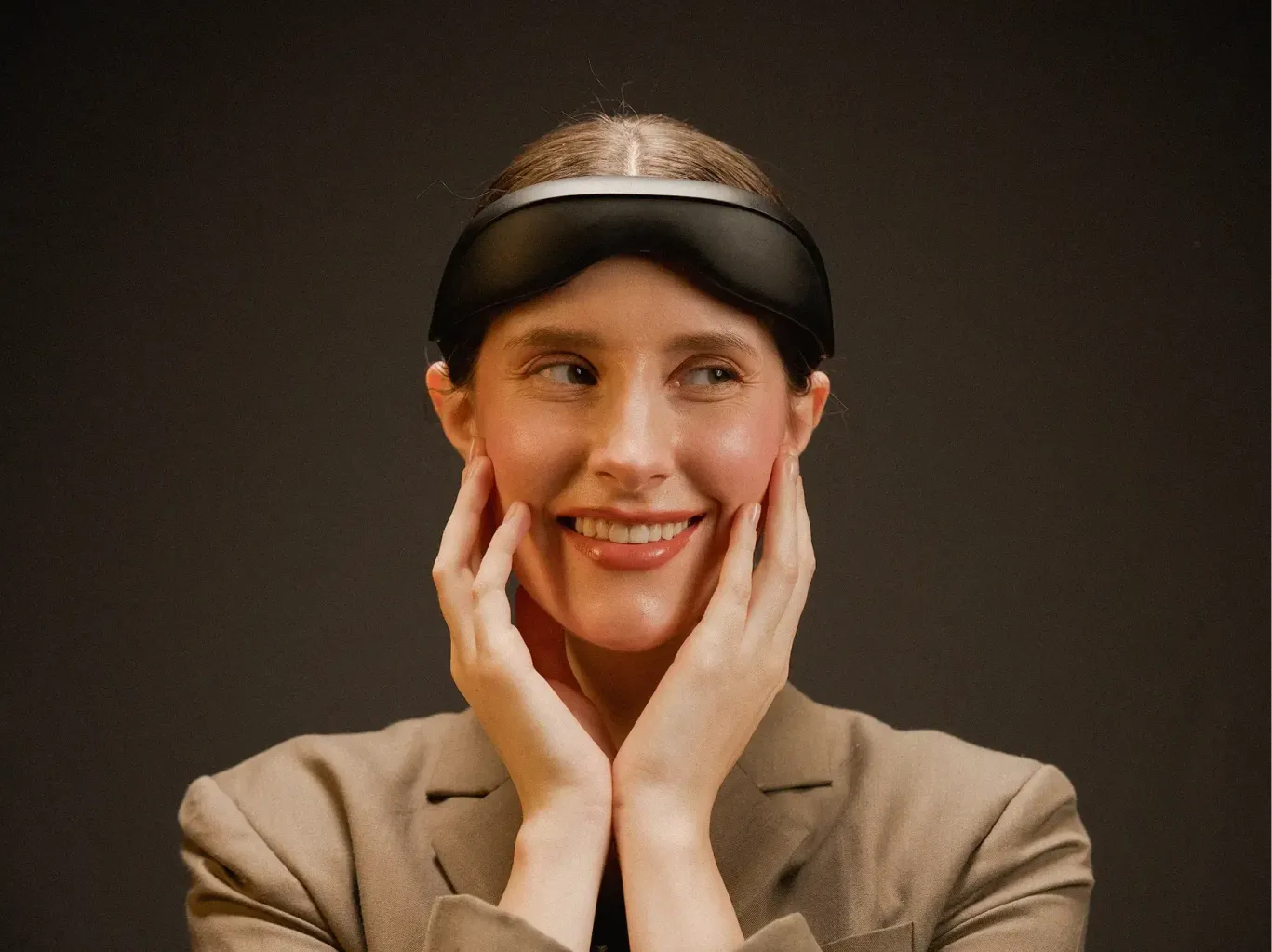
One Shape For Every Head
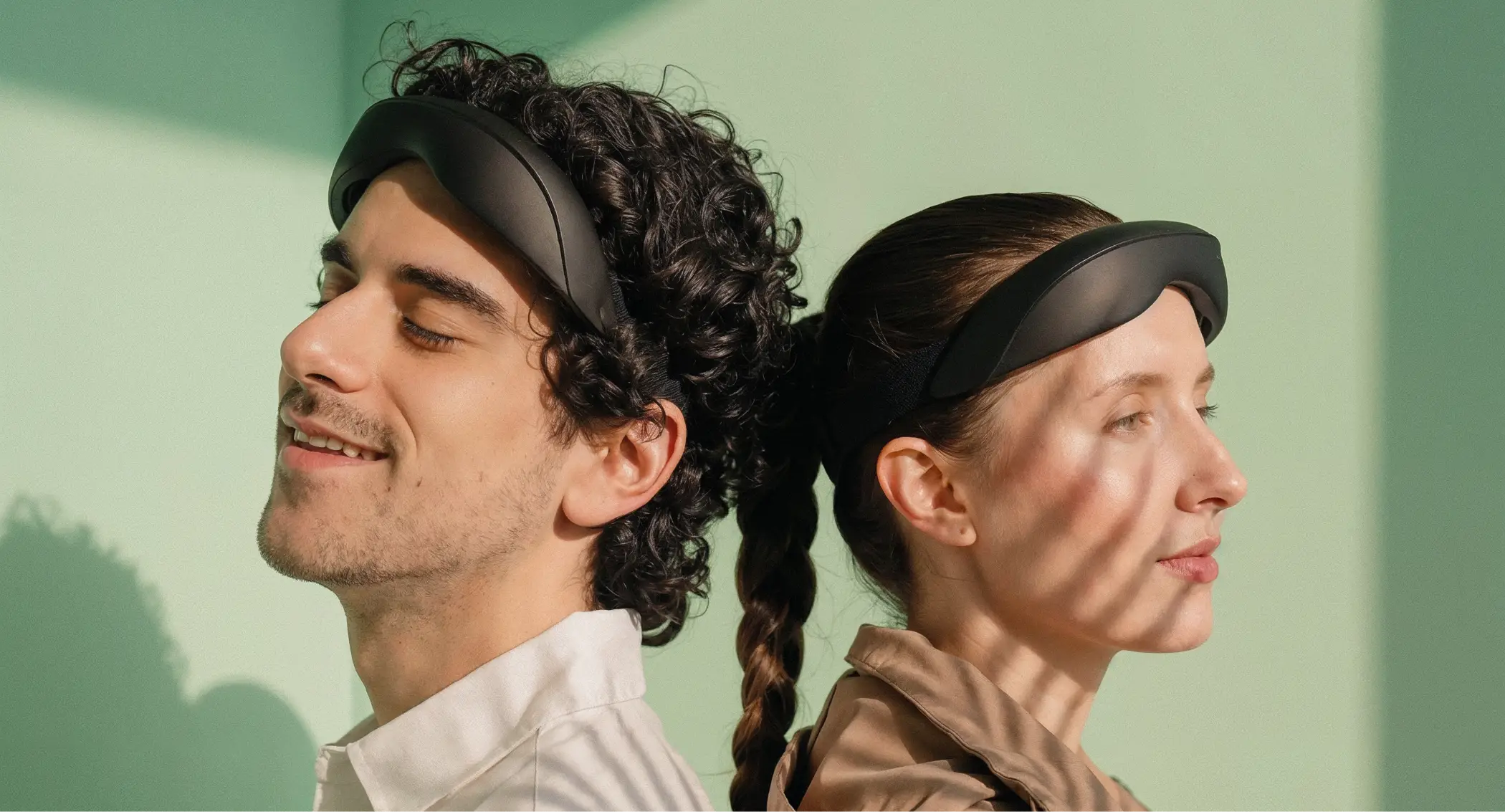
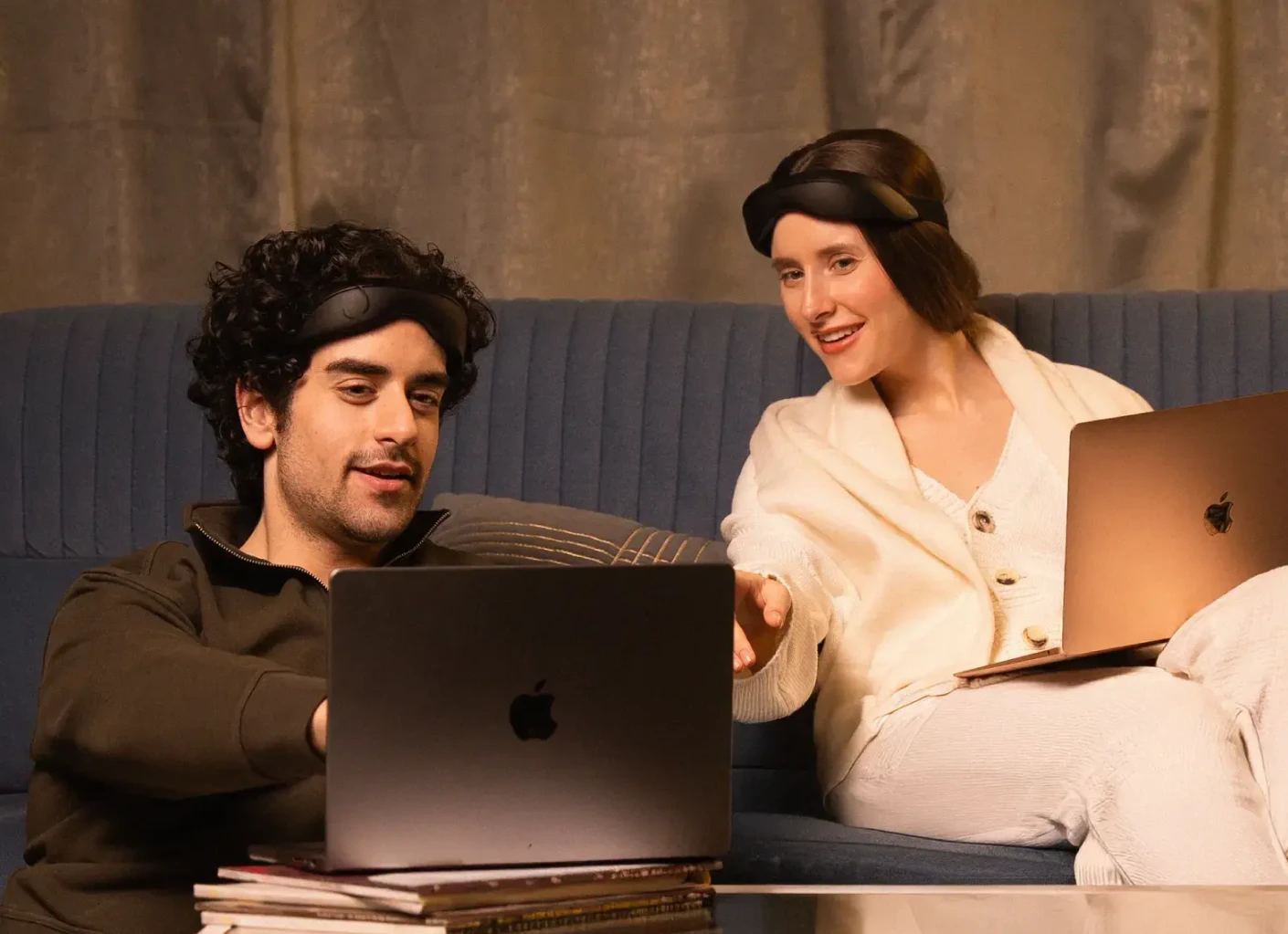
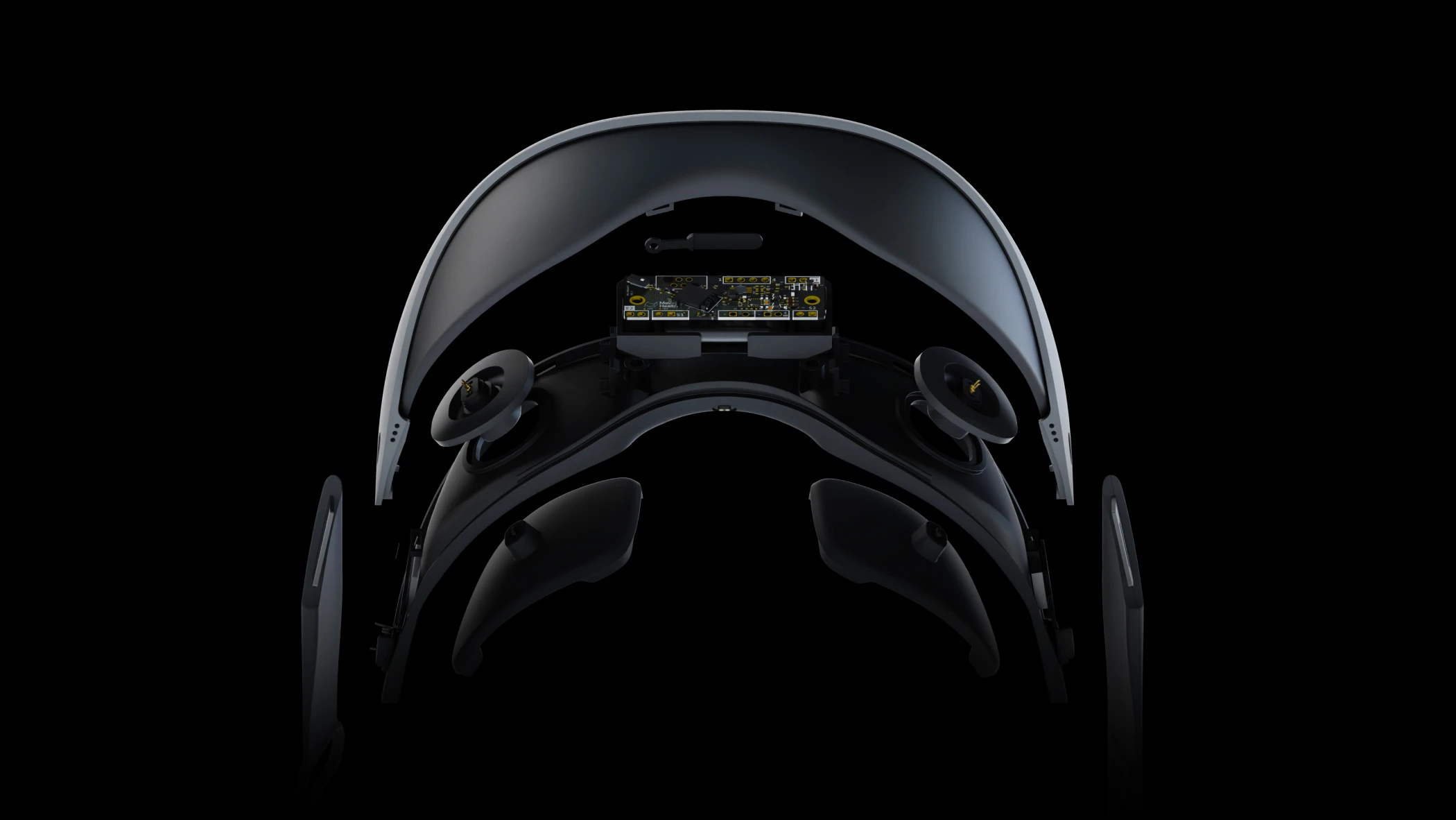
The same moving electrode that fixed contact also fixed fit. Instead of building adjustable straps or several sizes for the range of head shapes across India and the US, we let the electrode's own range of motion handle it. A narrower head pulls the electrodes in, a wider one lets them settle out, and one elastic band keeps steady pressure either way. Nobody picks a size, one product covers a group that used to need several SKUs.
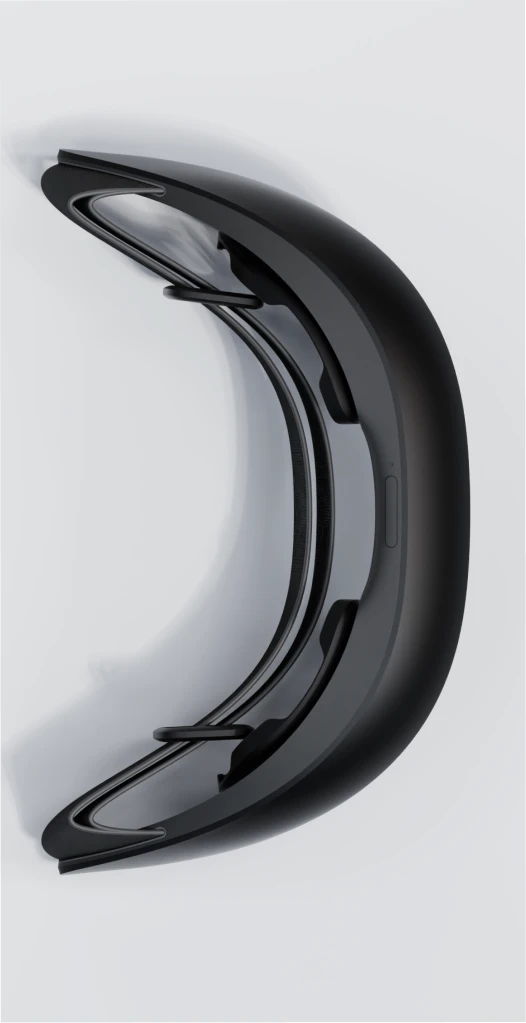

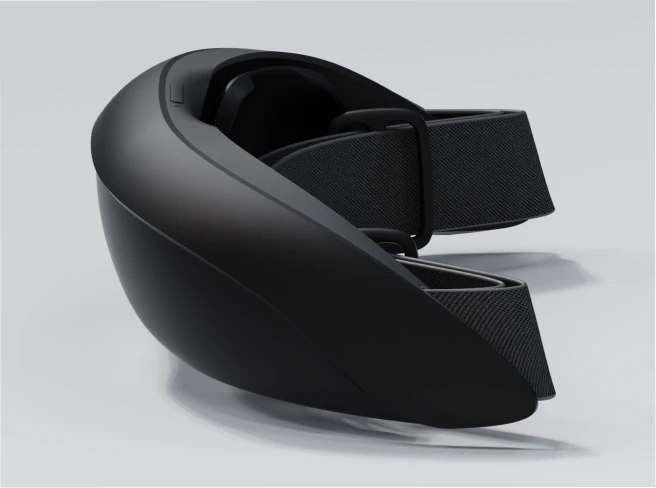

Electrodes That Move
Every tDCS device before this one held its electrodes stiff and expected the forehead to work around them. We flipped that. Each electrode sits in a soft holder over a small gap, free to shift until it settles wherever the skin actually is. Current spreads out instead of bunching up at one spot, so the irritation that plagued earlier devices has nowhere left to build.



A Dock, Thoughtfully Done
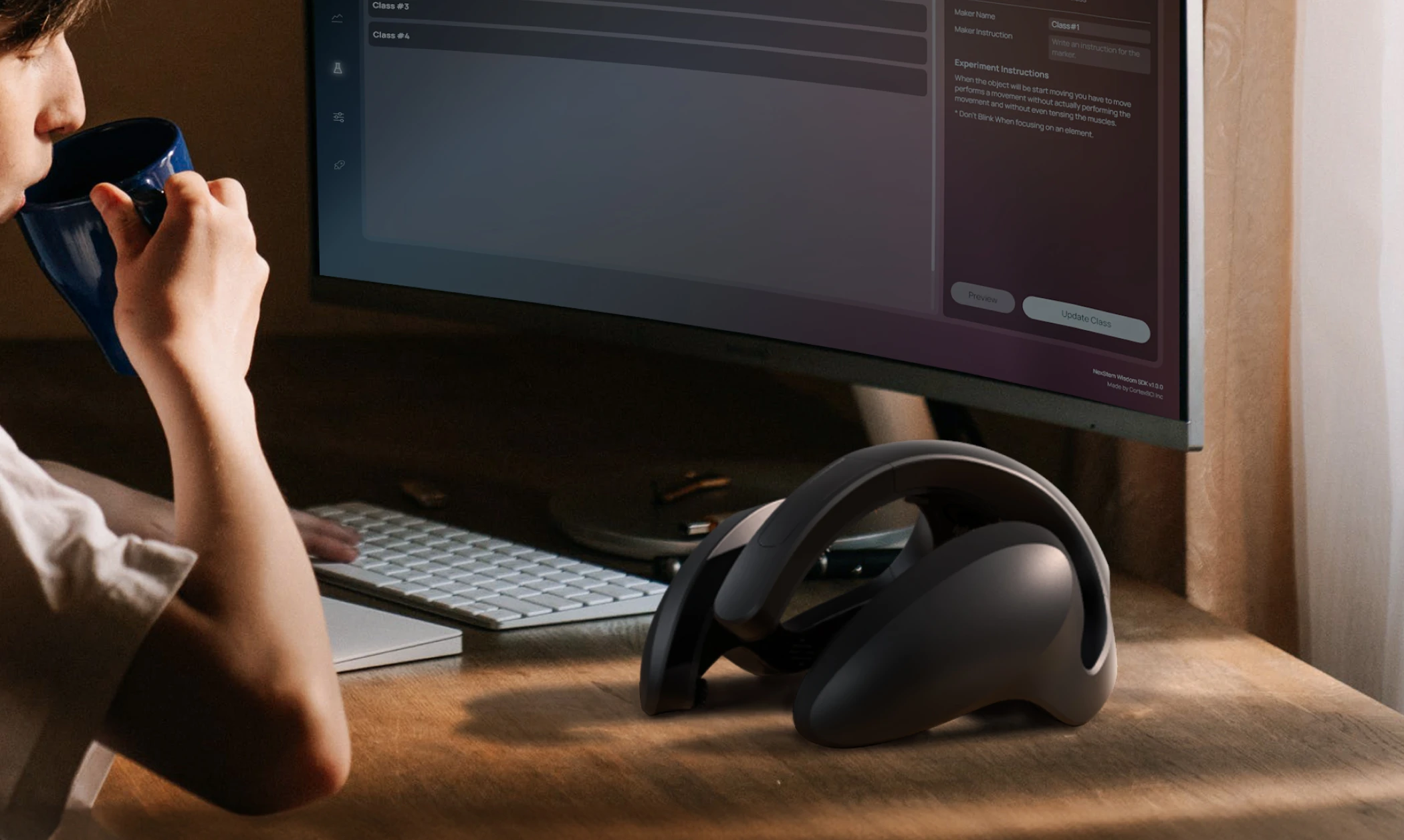
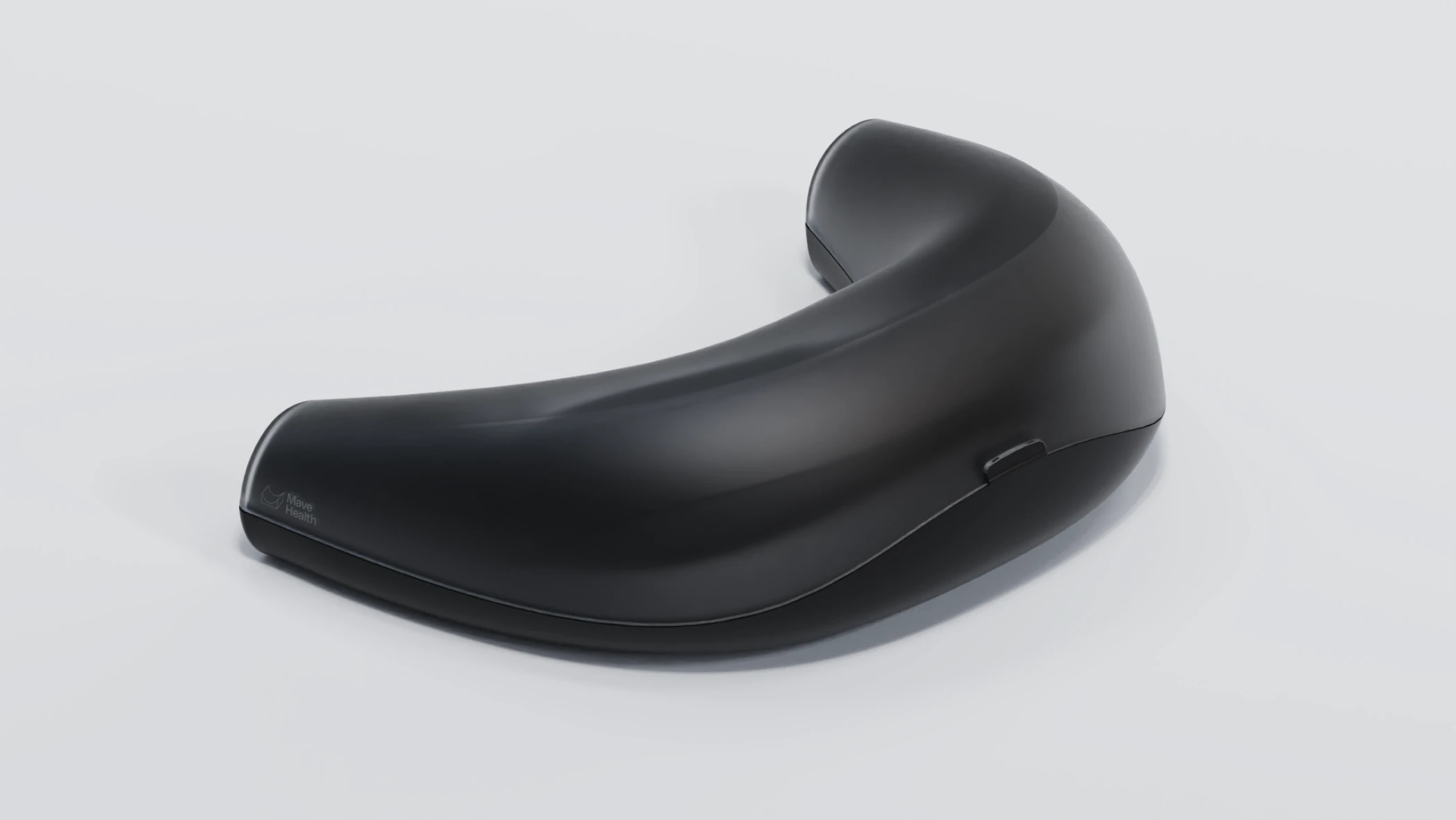
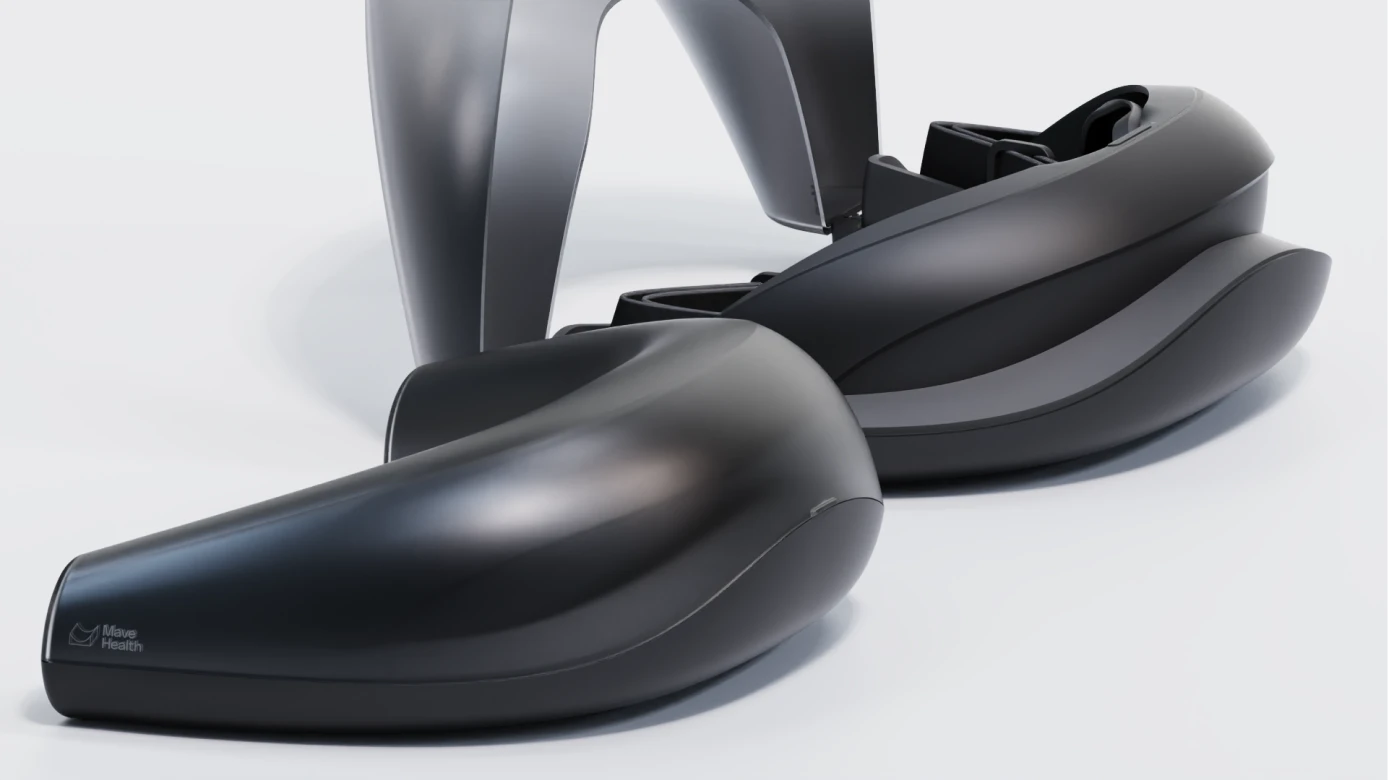
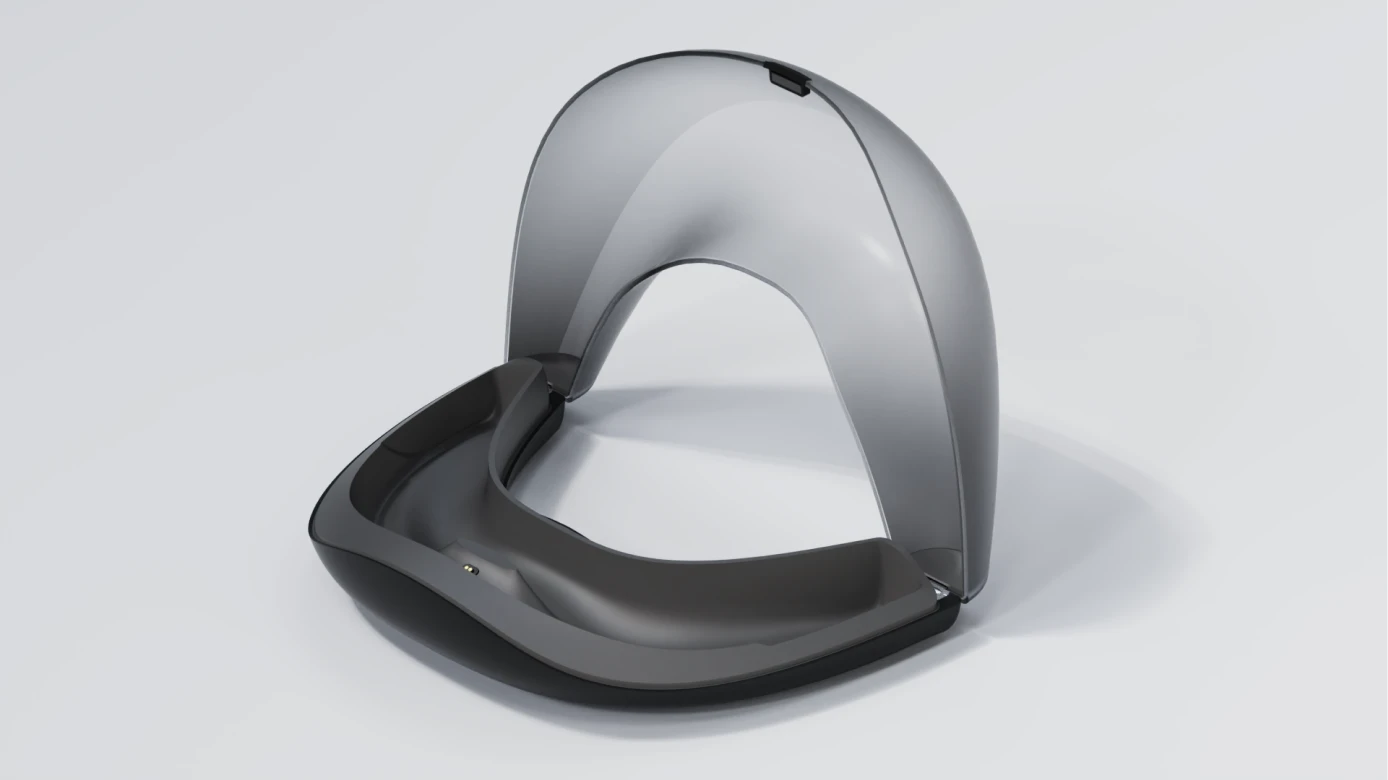
Even at rest, the device needed to feel thoughtful rather than clinical. The charging dock has a translucent top with a gradient finish, giving it the look of certain premium gaming accessories, so you can just make out the device inside without seeing it fully. It's also useful, the charging light stays visible even with the dock shut. A small detail, but one that tells you this was actually designed, not just put together.

Losing the Clinical Look
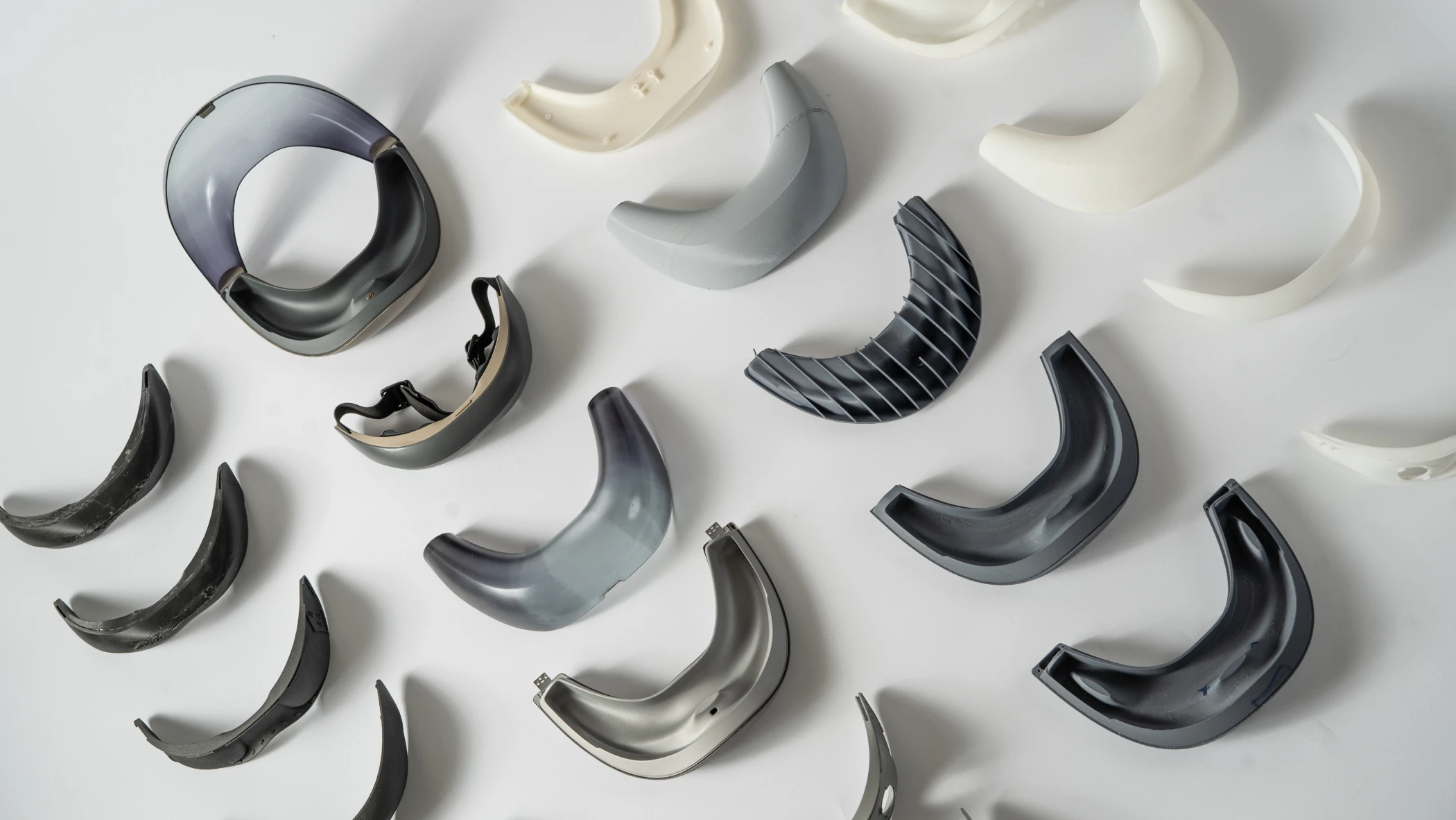
Older devices looked like hospital equipment, boxy, flat, sharp edged, in the usual white and grey. We shaped this one around the actual geometry of a head instead, closer to sports and productivity gear than a medical apparatus. We kept pushing every dimension down until the device landed near 100 grams, light enough that people said they forgot it was even on within minutes.


Impact
Since Studio Carbon's industrial design work, Mave Health has moved from prototype to market: the design won a MUSE Design Award in the Wearable Technologies category. On the business side, Mave closed a $2.1M seed round in March 2026 led by Blume Ventures (following a $750K pre-seed in Nov 2023), bringing total funding to roughly $2.85M, and the device is currently shipping its first batch to customers in the US and India. The comfortable, non-clinical form factor Studio Carbon built, is exactly what let a device this experimental be sold as a consumer wearable rather than a piece of clinical equipment people had to be talked into.

Shairly Jain
Industrial Designer
Yash Bam
Industrial Designer
Krishna Gilda
Industrial Designer
Christopher Richard
Industrial Designer
Abhishek Mishra
Design Engineer
Meet Ramani
Design Engineer
Dhawal Jain
Co-Founder & CEO
Aman Kumar
Co-Founder & CTO
Jay Sharma
Co-Founder
Aditya Mathur
Product Lead