Hyperlab: Helios
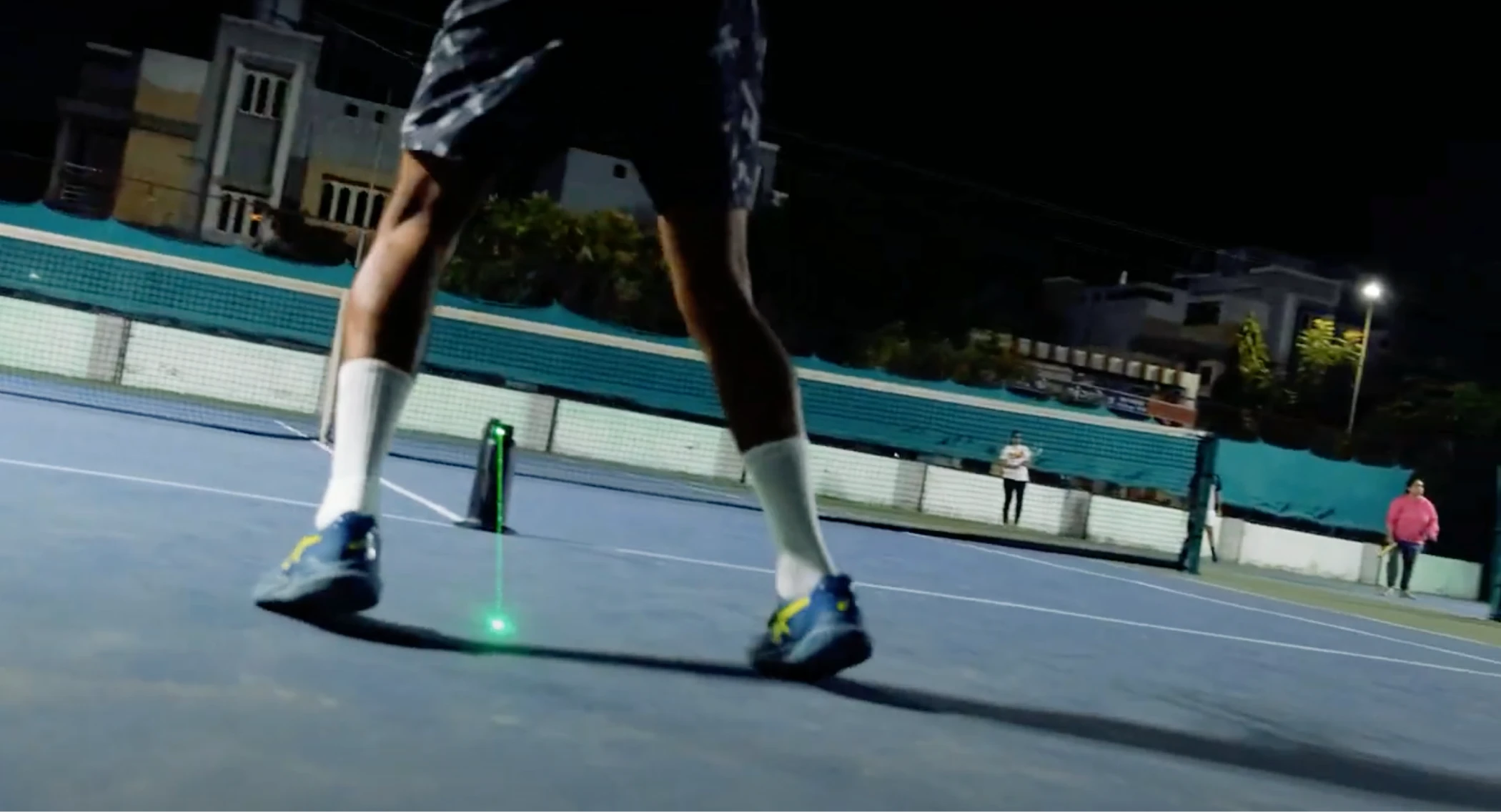
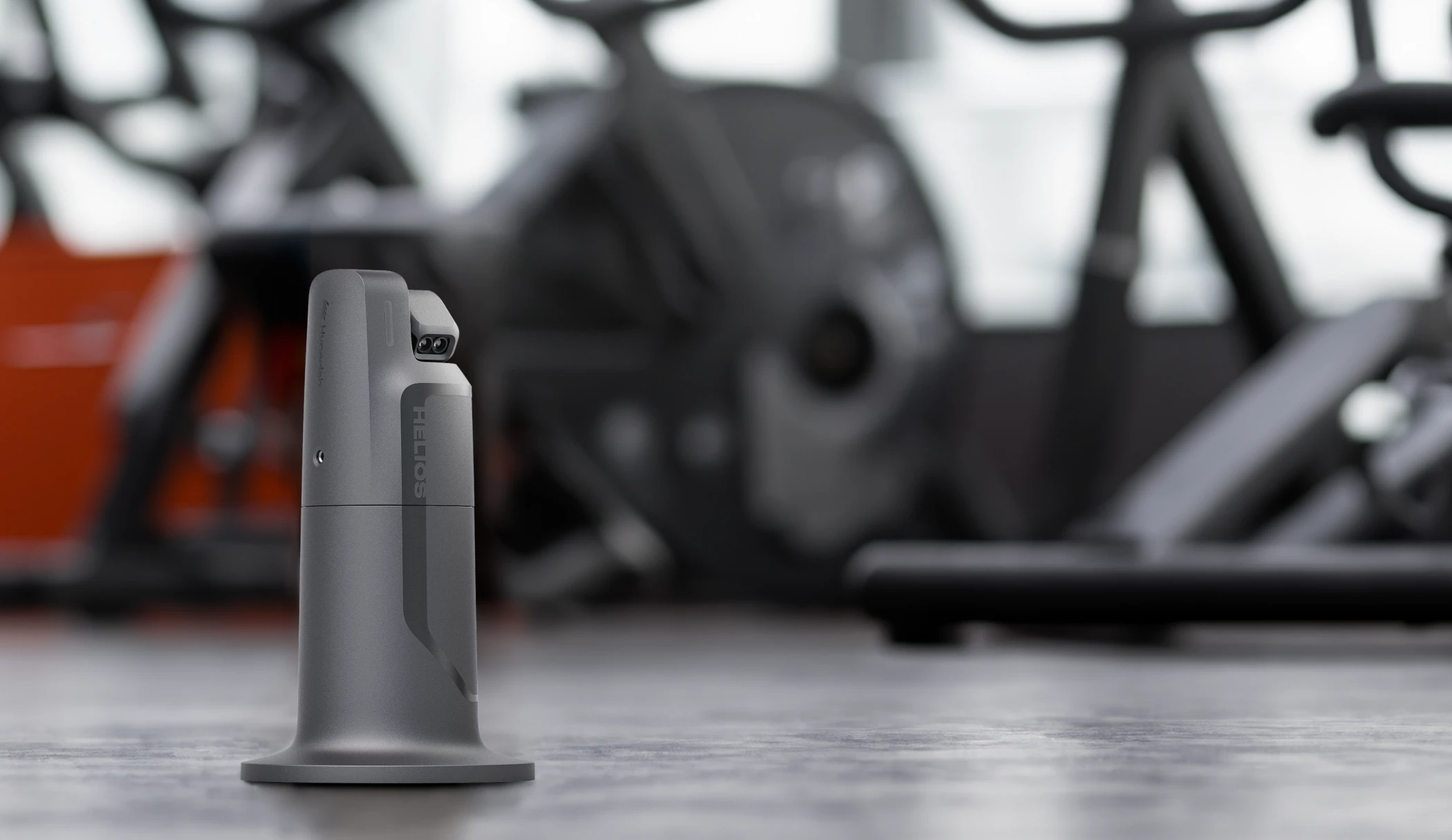
Stamina and strength training have entire industries around it. But agility training never got the same attention, and what little existed stayed locked inside elite facilities. Between late 2021 and early 2022, Hyperlab, one of Studio Carbon's own incubated ventures, built Helios to close that gap, a laser equipped training companion that turns any court or field into a high performance training lab.
The goal was big from day one: train stamina, agility, and reaction time together, measure all of it, and make the results easy for both athlete and coach to understand, without the setup or expertise older systems demand. Before we designed anything, we talked to dozens of athletes and coaches across different sports, learning how they move, what wears them down, and where their usual training falls short. This research, and drawing inspiration from how agile cats chase lasers, we came up with a small, responsive device that could track several athletes so coaches could focus on strategy instead of stopwatches.
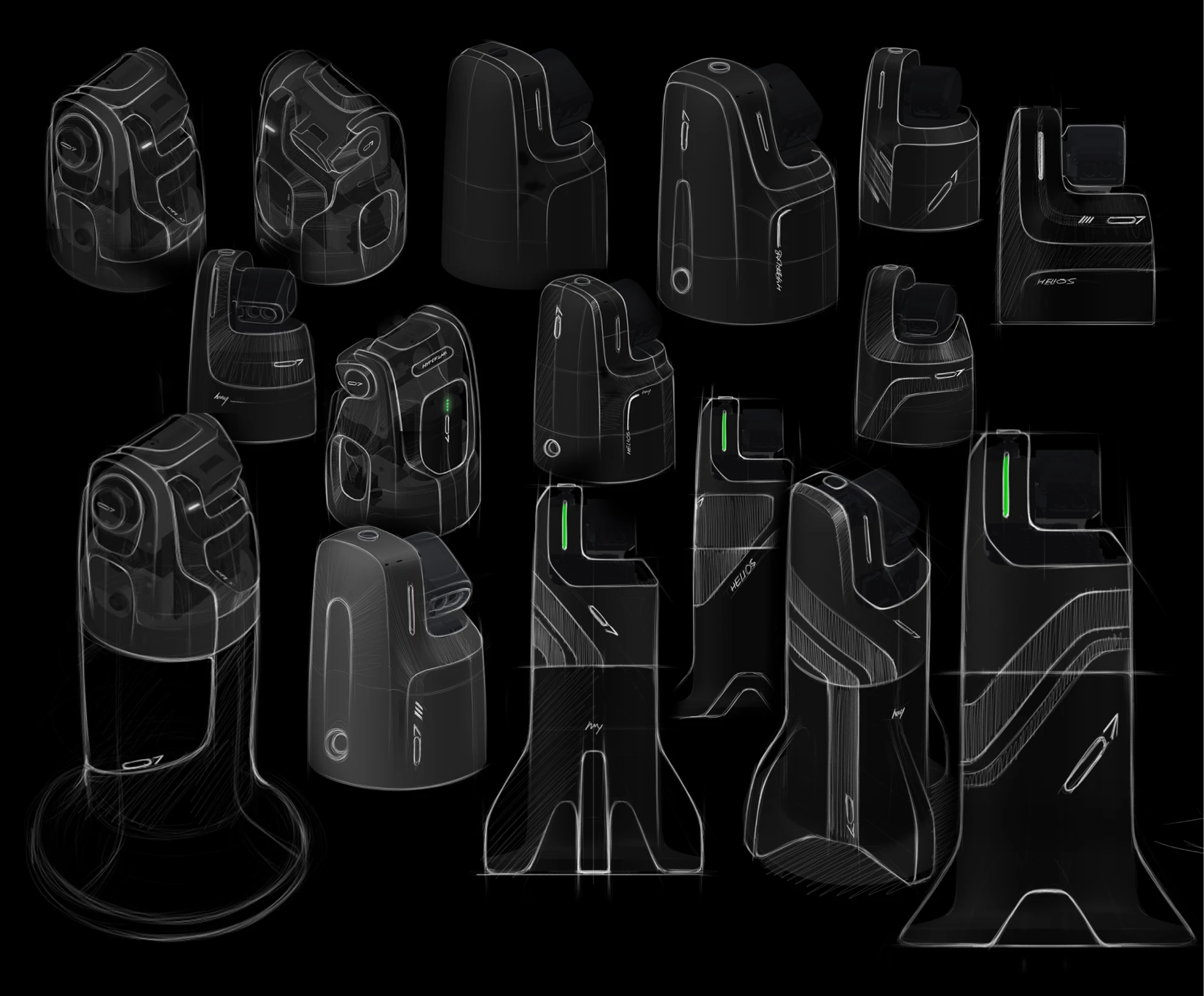
Design and engineering worked side by side the whole time, not two teams passing work back and forth. As the product's shape changed, so did its software and motion tracking, all at the same time. Early versions went in front of real athletes and national coaches every week, and what we learned each time shaped the next version, the shape, the sensors, how the laser behaved. There was no existing sports tech product to learn from, so Hyperlab had to build the category from scratch.
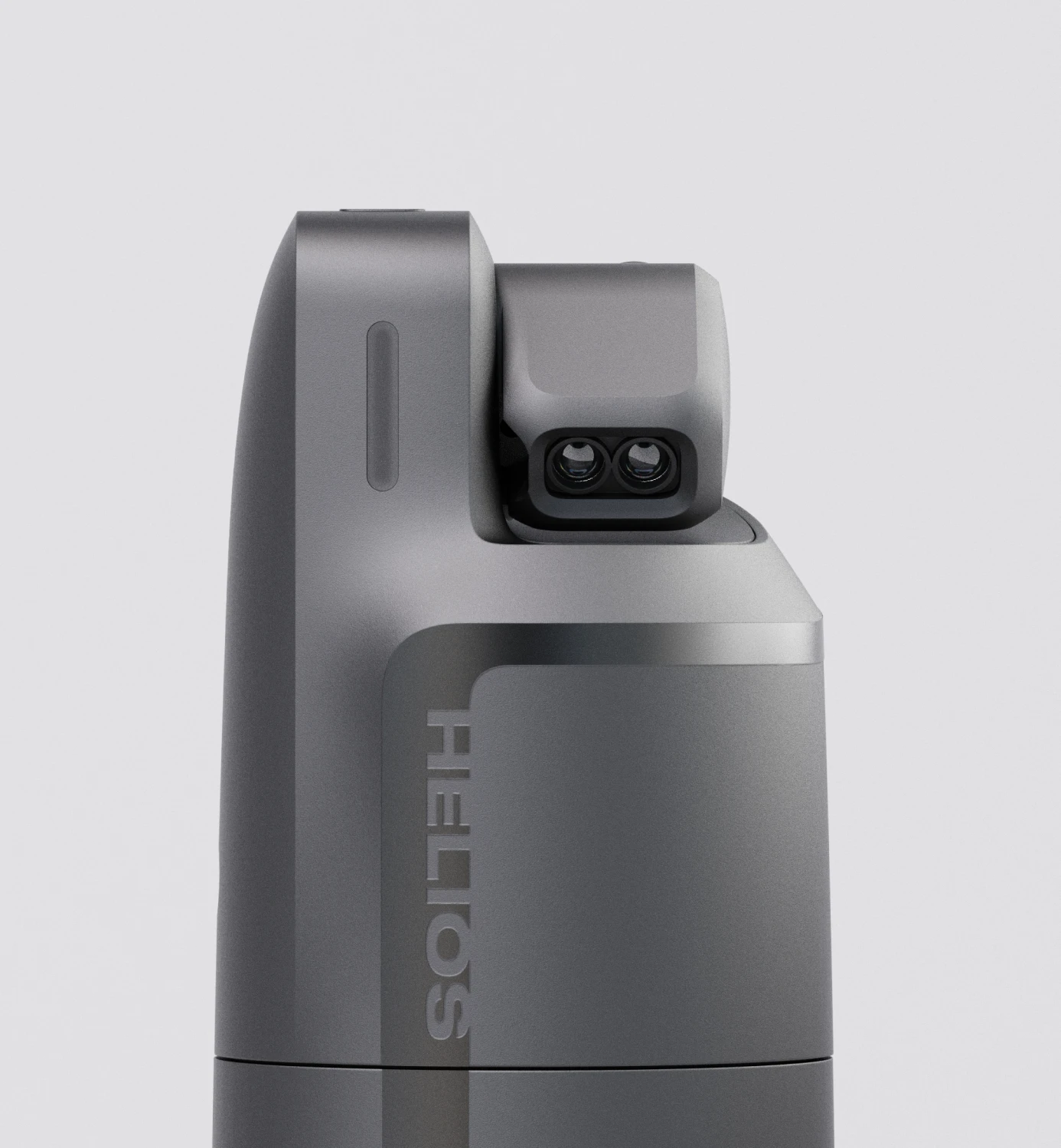

Built From Scratch
Design and engineering worked side by side the whole time on this project. As the product's shape changed, so did its software and motion tracking, all at the same time. The feedback we got from real athletes and national coaches regularly pushed the design forward every time. The sensors changed, the laser's behavior changed, the shape itself changed, whatever the feedback called for. Every layer of this, the engineering, the form, the materials, started from a blank slate.
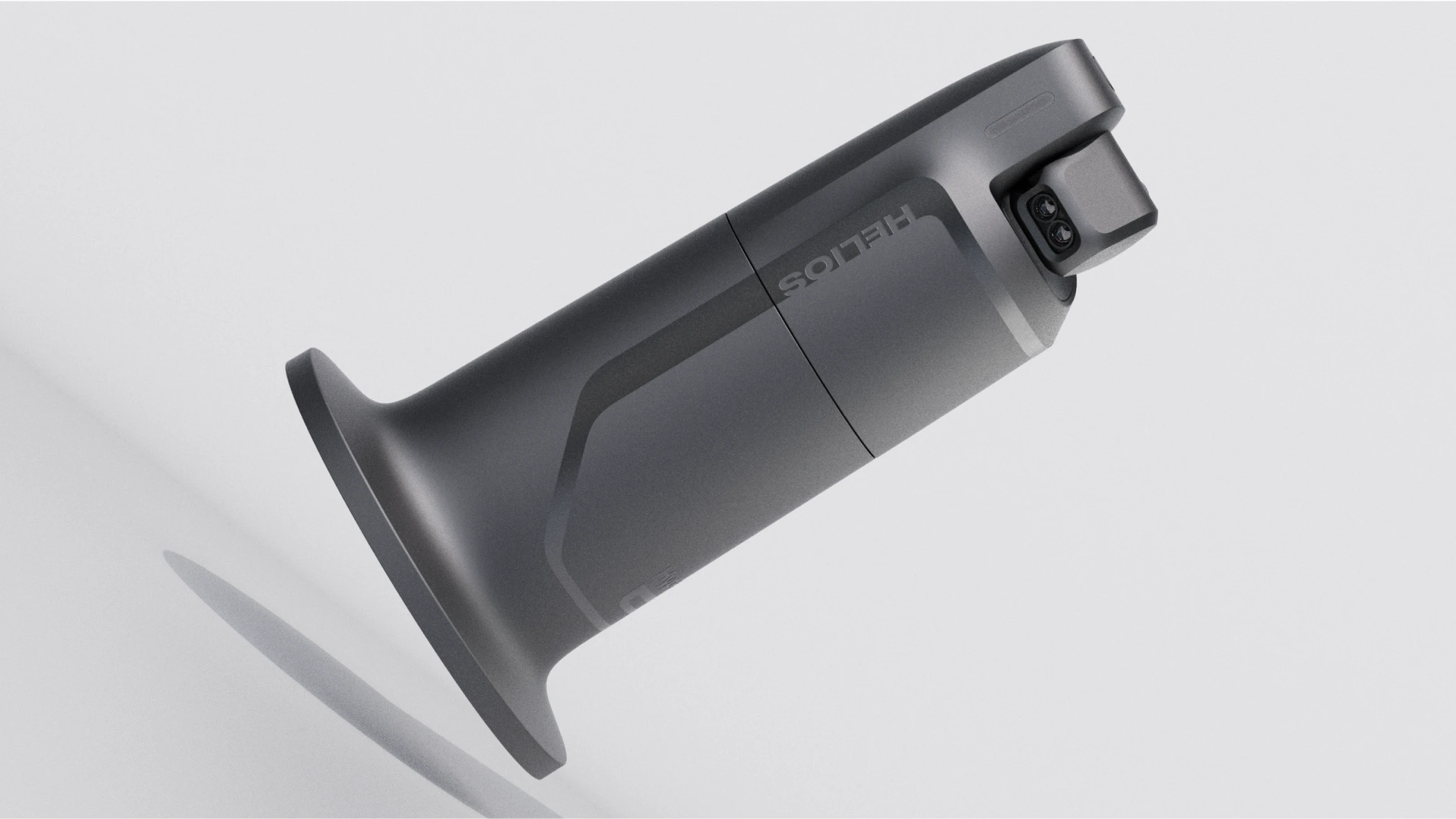


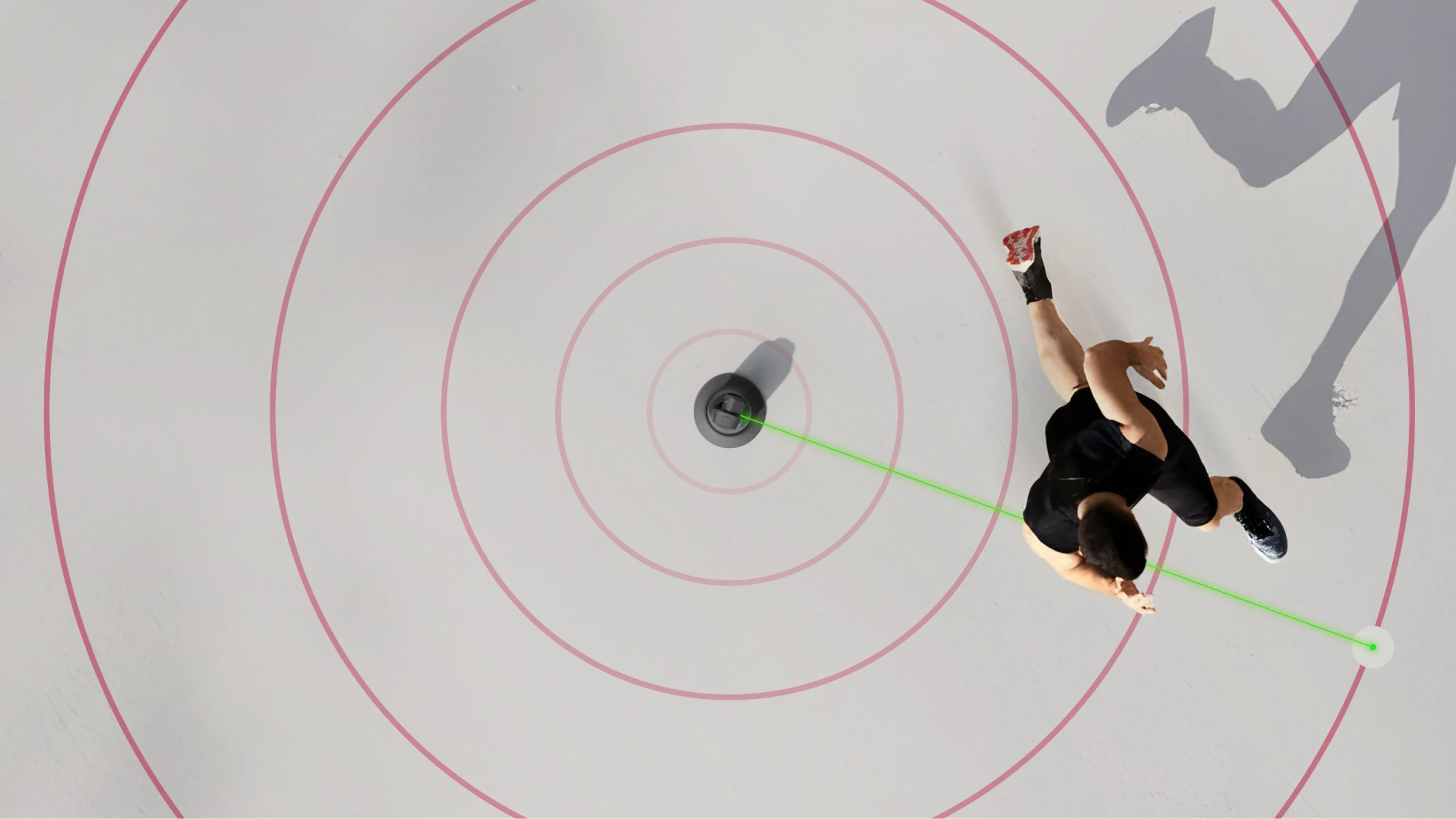
Multiple Training Modes
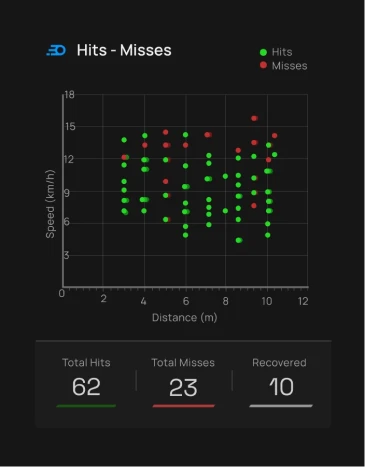
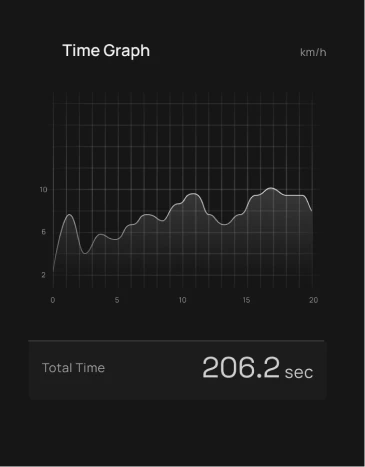
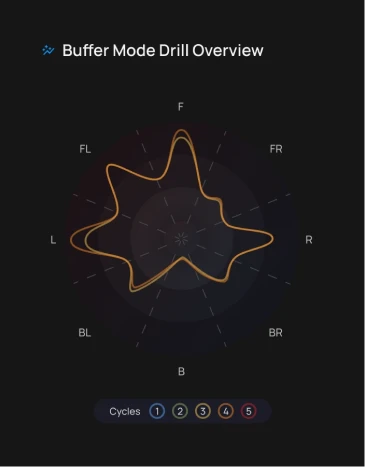
Helios runs three training modes. Point mode tracks how consistently and quickly someone hits each target, the basics of movement and control. Buffer mode strips away predictability, a random gap of a few seconds before the next point lights up, a gap the device itself doesn't know until it happens, forcing a real reflex instead of a rehearsed one. Killer mode keeps raising the pace until it finds the exact point where performance starts to break down.

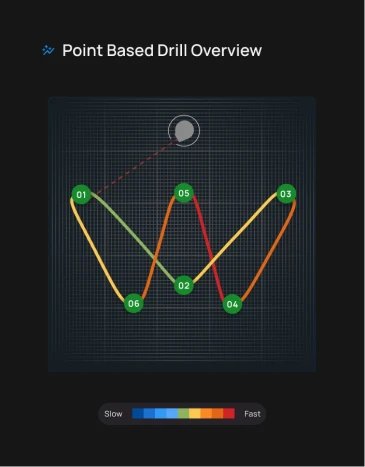




One Device, Any Surface
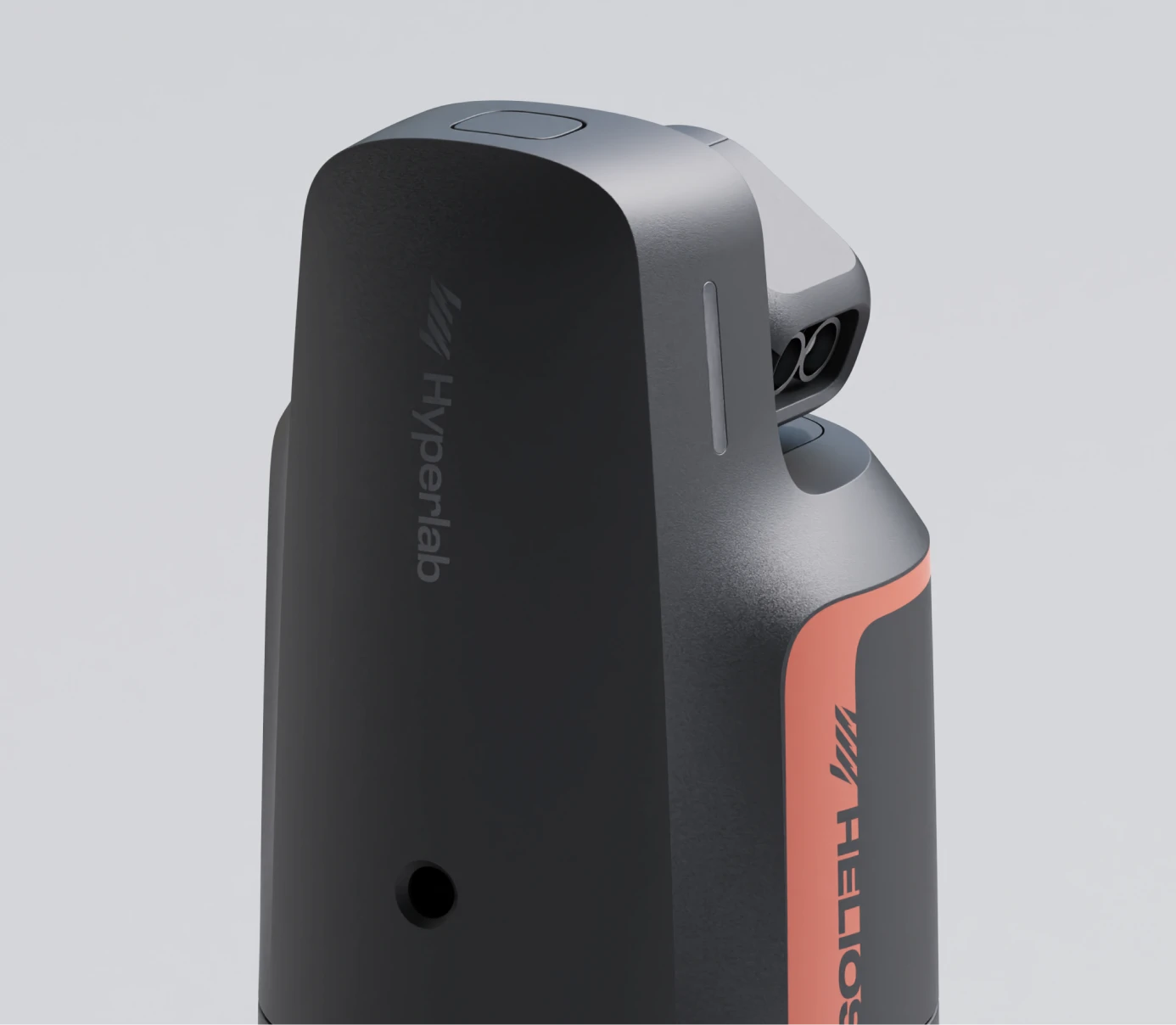
Helios doesn't need a fixed setup or a dedicated room. It connects to a companion app over Bluetooth and can sit on any flat surface, or mount straight onto a wall. That makes it as useful on a badminton court as it is in a living room doing hand drills, or clipped to a wall for someone working through physiotherapy. The training adapts to the person, not the other way around.
Every Part Pulls Weight
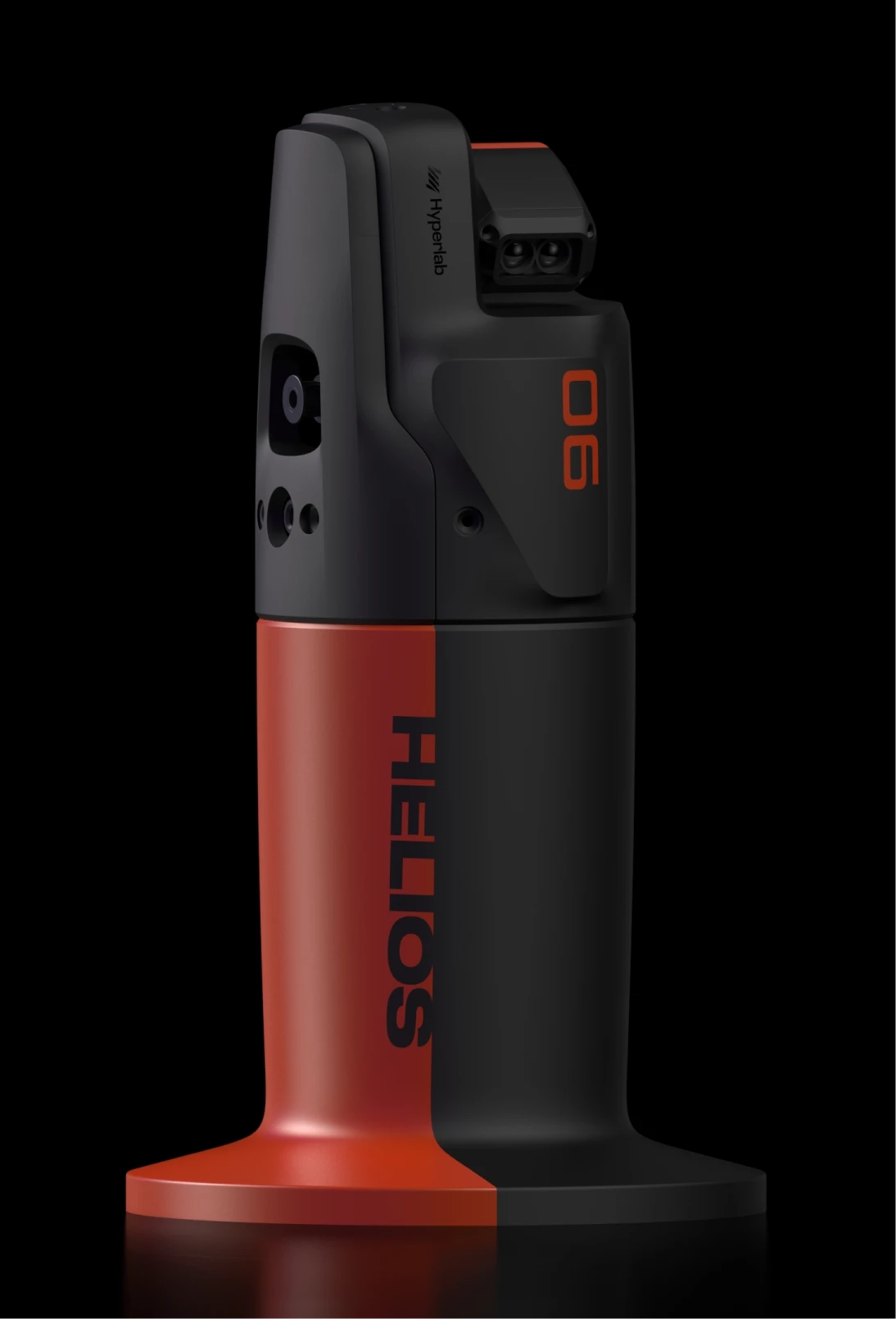
The laser head, rotational motors, LIDAR module, and performance electronics all needed to live inside one compact vertical stack. We got there by making every internal part carry real structural weight instead of just sitting inside a shell. That thinking, carried through careful Design for Manufacturing and Assembly, kept the outside minimal without weakening the product. We achieved fewer parts, less material and a lower cost to build, none of it at the expense of how it feels in hand or holds up on a training floor.
SportsTech for All
Most reflex and agility tools exist only where elite athletes train, expensive, specialized, and out of reach for anyone else. Helios was built to close that gap. The device doesn’t need expensive setup, space or equipment. The same product can be used by a national level athlete and a first time gymgoer. Priced well below what comparable sports tech costs, and offered on a subscription model for academies that can't pay for hardware upfront, Helios makes tracking agility and reflex something anyone can actually access.


Impact
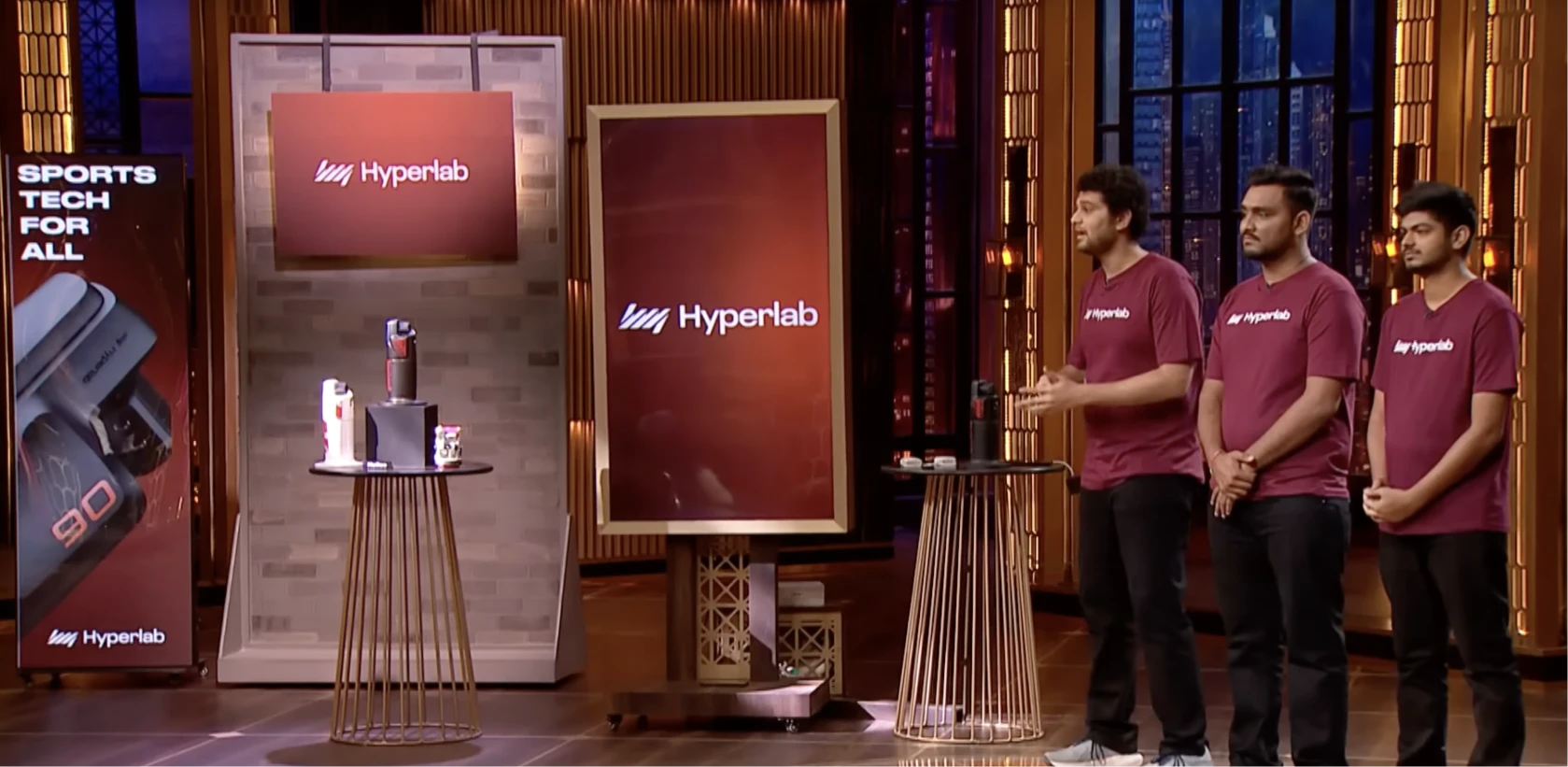
The product secured 4 patents in US and India and picked up major visibility through a Shark Tank India Season 3 deal. ₹25 lakh for 1% equity from Aman Gupta at a ₹25 crore valuation, closing a deal at twice the valuation it asked for going in, alongside a ₹45 lakh government grant for product development. Coaches and sports scientists have pointed to how intuitive it feels to use, and to real gains in agility and reflex among the athletes training with it. That's a strong trajectory for a category-defining hardware product that didn't exist before Studio Carbon and Hyperlab built it from scratch. Hyperlab went on to become a Carbon Venture of its own, building a team and a name for itself in the following years.

Yash Bam
Industrial Designer
Christopher Richard
Industrial Designer
Manikanta Polisetti
Industrial Designer
Neel Mehta
Industrial Designer
Hitarth Parikh
CEO