Epick Z1
Most electric bikes in India are built for enthusiasts and adapted for everyone else. The utility end of the market showed it most: retrofitted frames, bolt-on battery boxes and exposed wiring, all riding on geometry made for mechanical bicycles. After X1, we turned with Epick to a different kind of rider. The question was simple and demanding: what would an e-bike look like if it were built from the ground up for India’s daily routes and routines?
The answer had to work for people who ride every day, often for a living. Our integrated research ran across user interviews, ergonomic mapping, competitor teardowns and urban mobility analysis, and it kept pointing the same way. India needed a unisex utility platform it could trust for commuting, carrying, sharing and fleet use, one that never felt bulky or intimidating to the person swinging a leg over it.
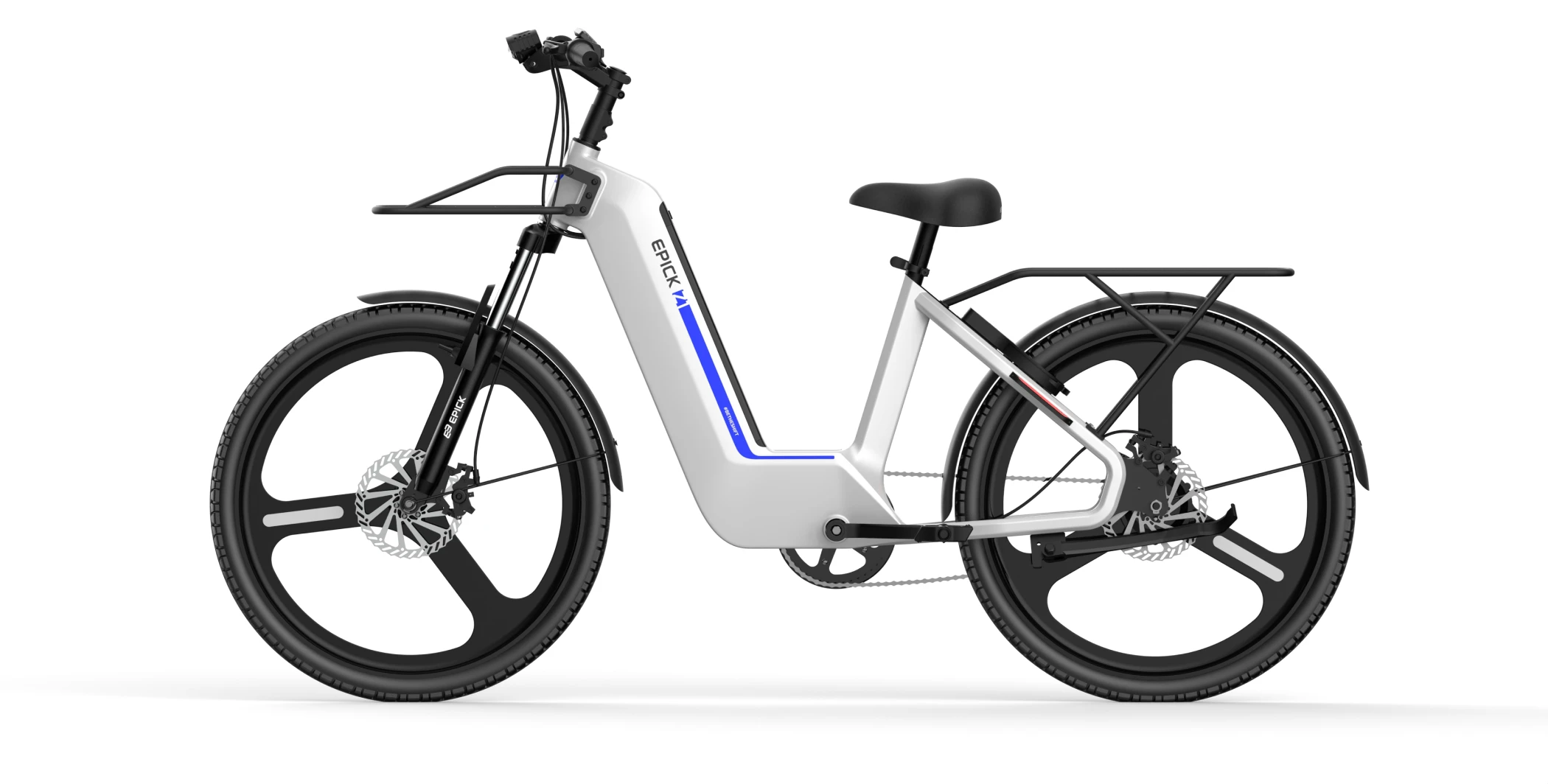
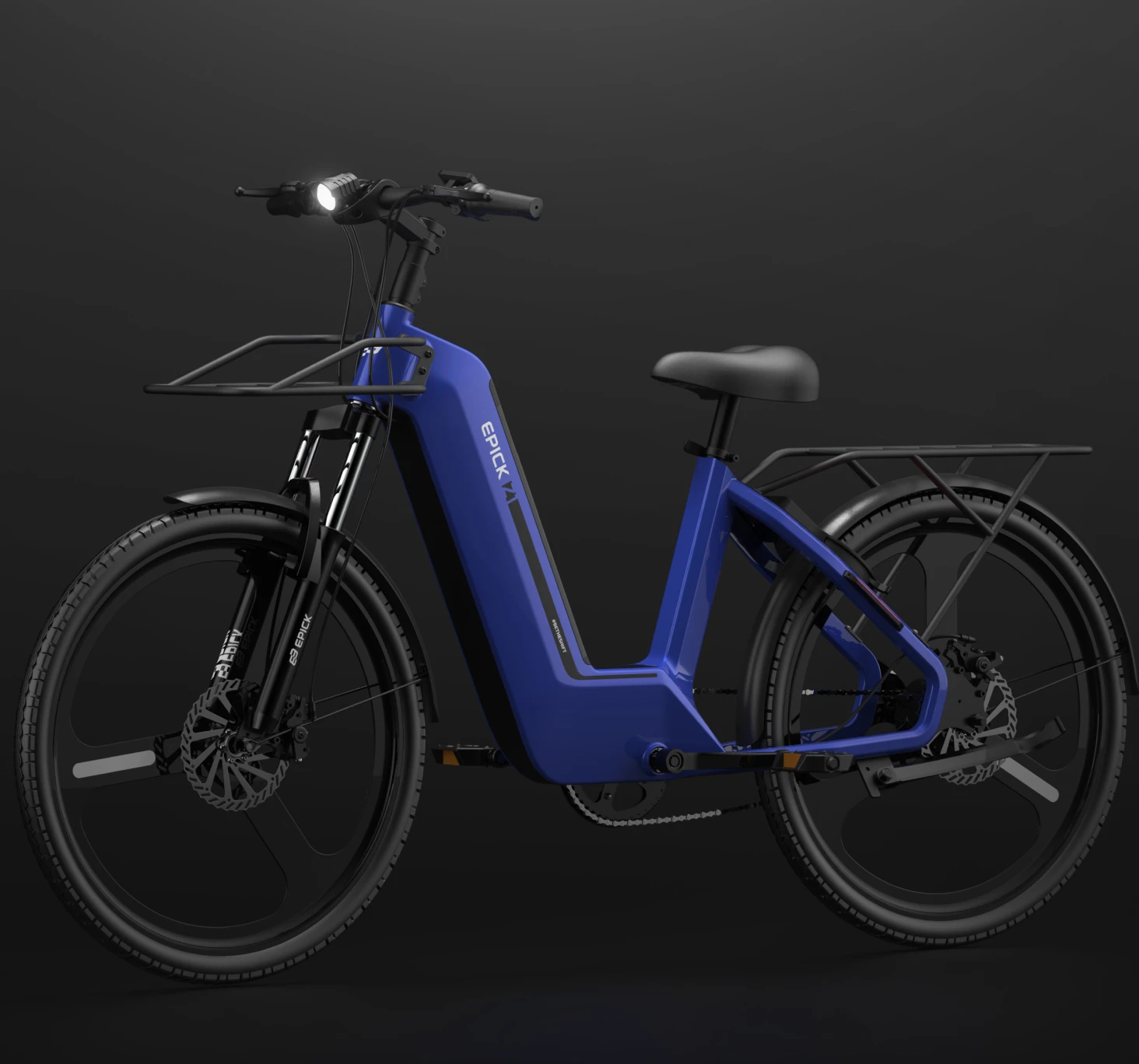
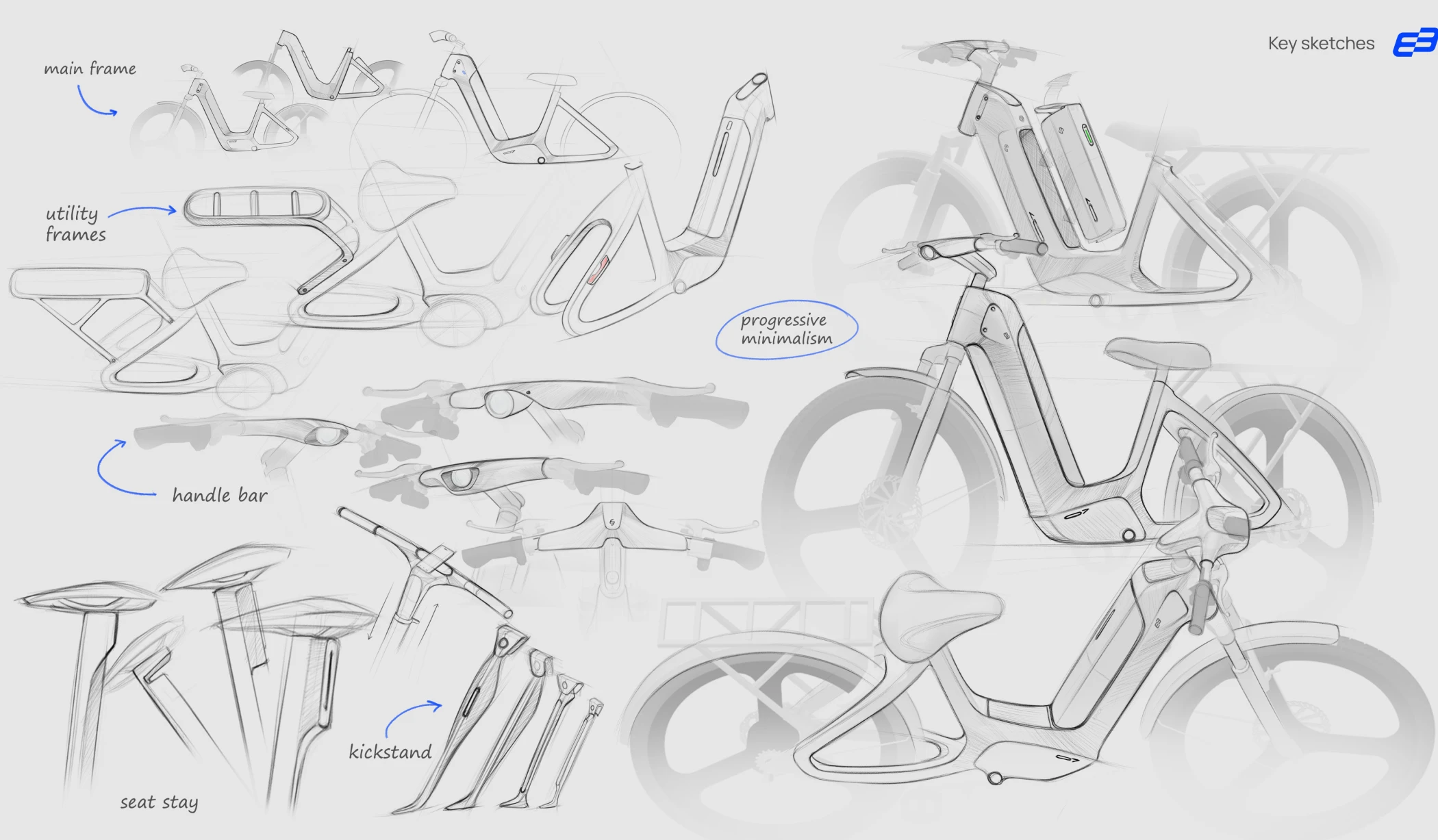
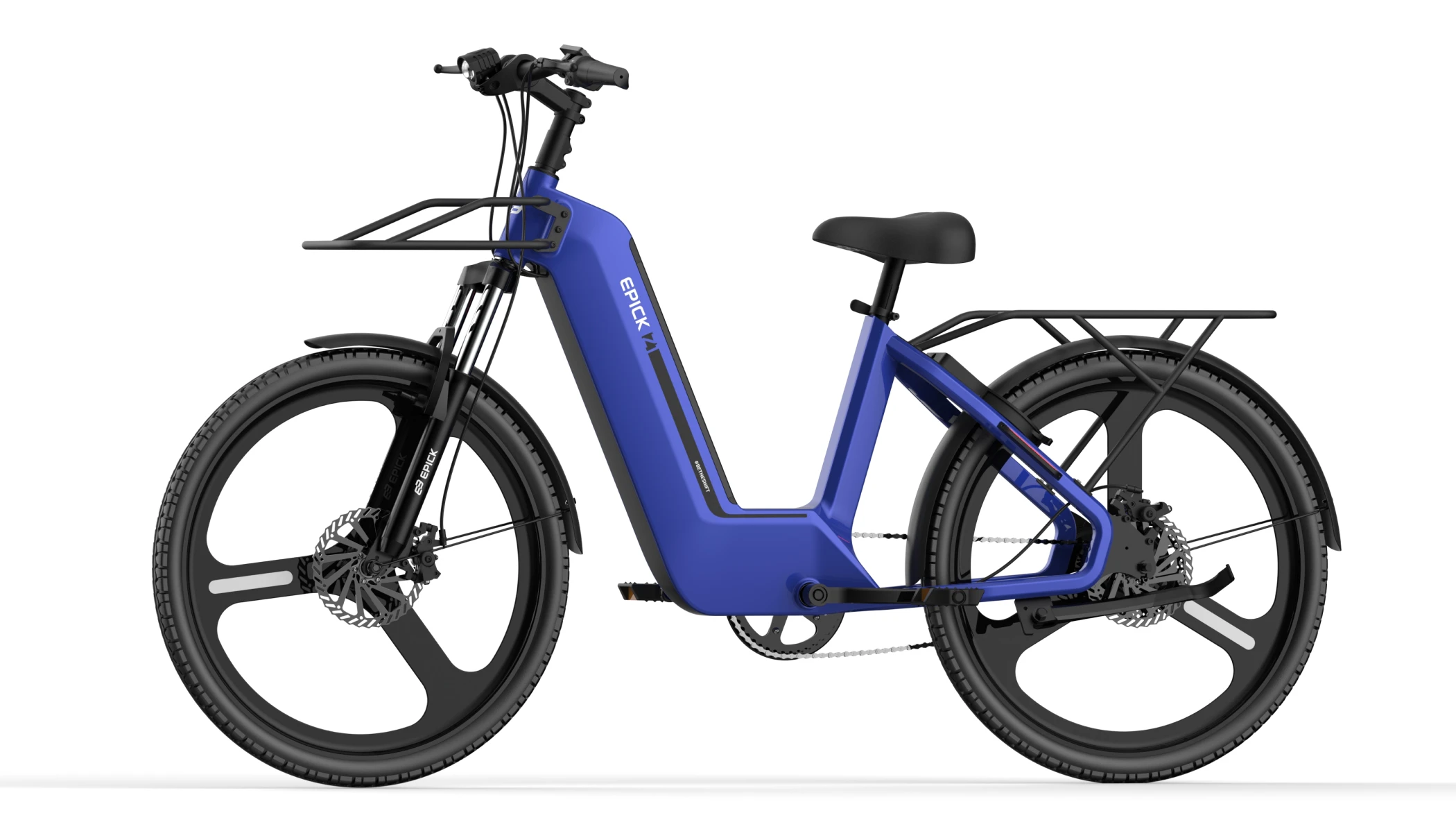
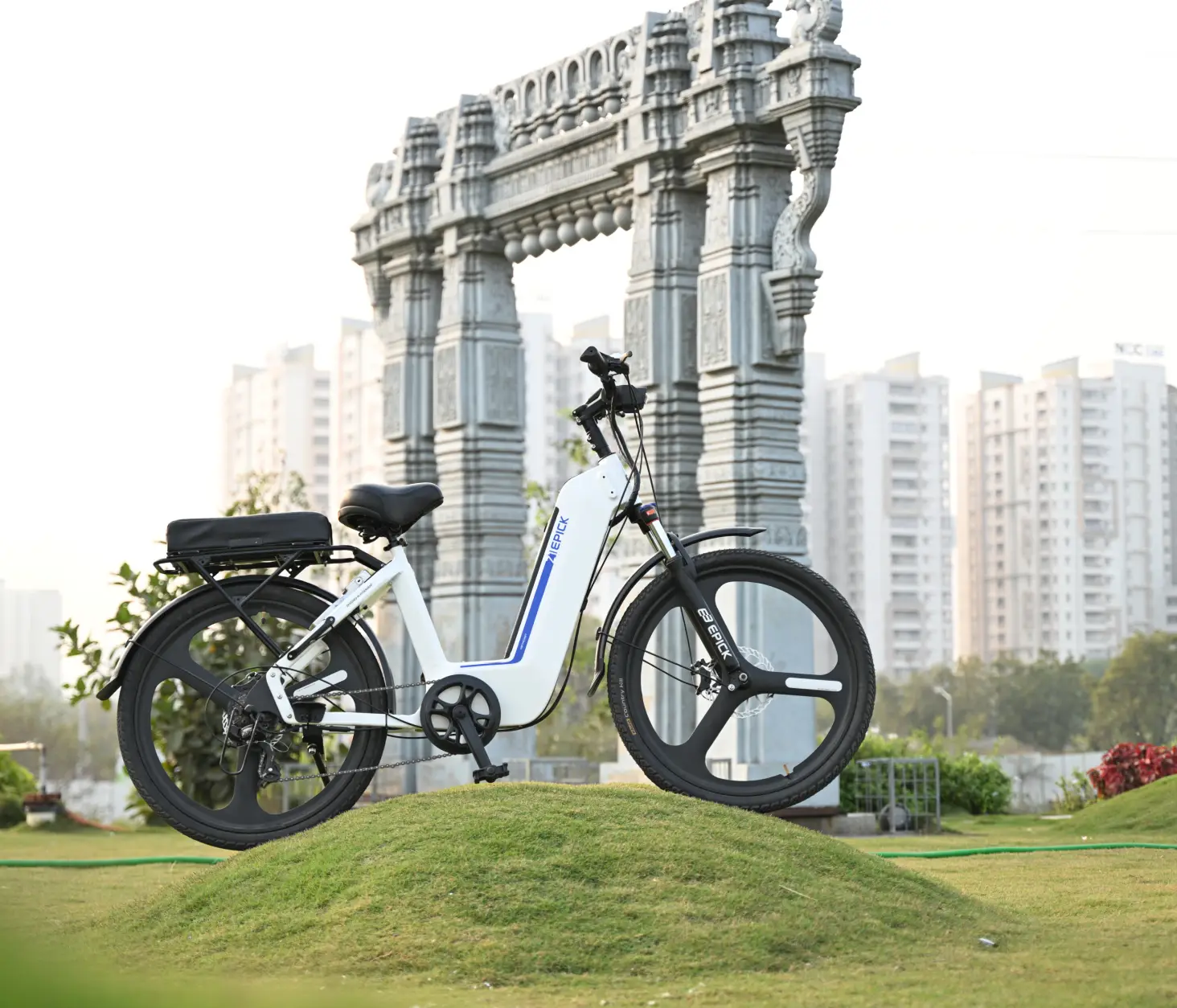
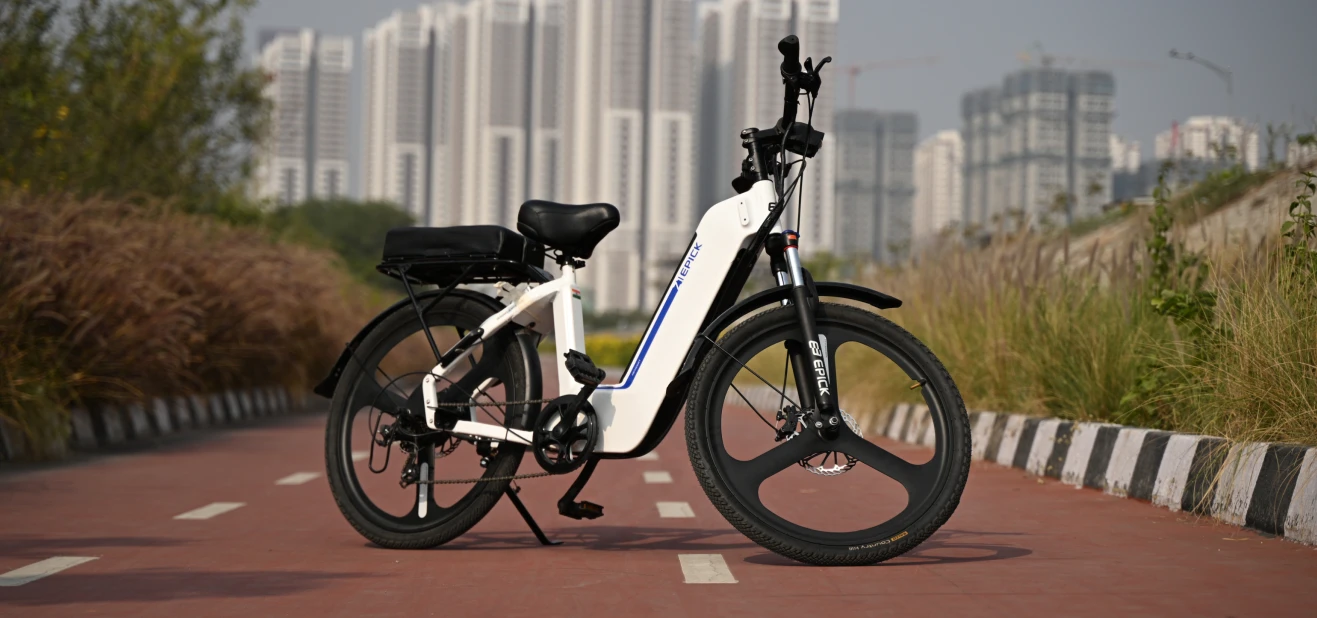
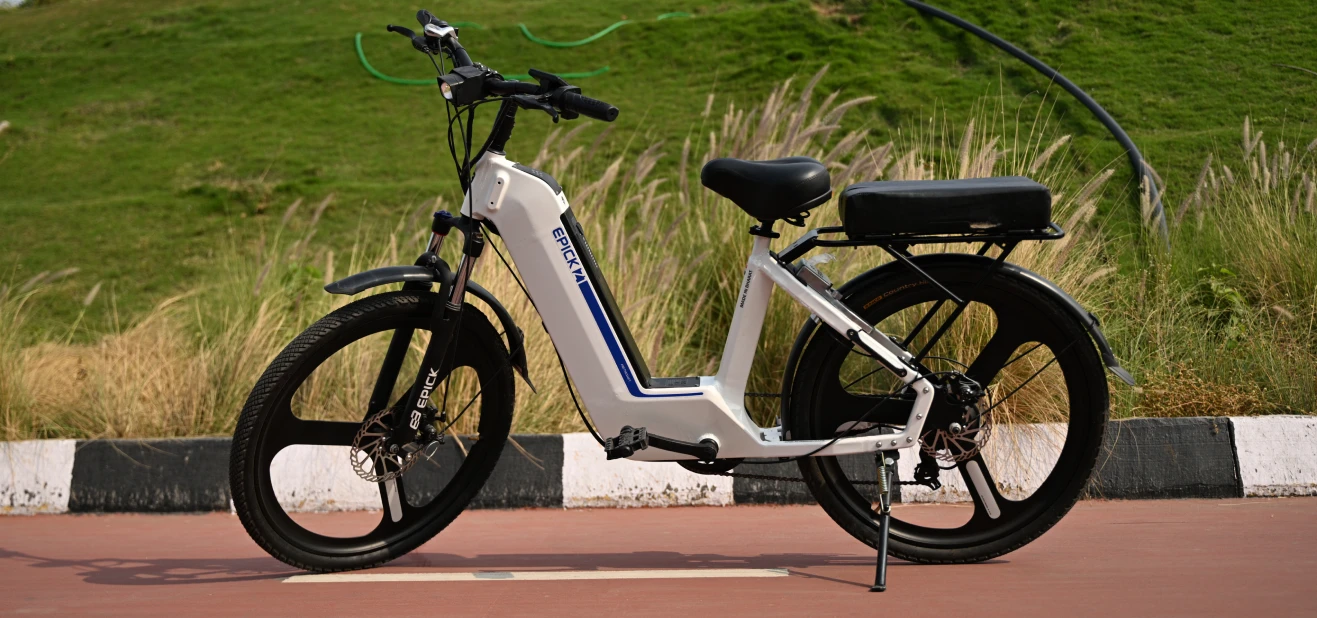
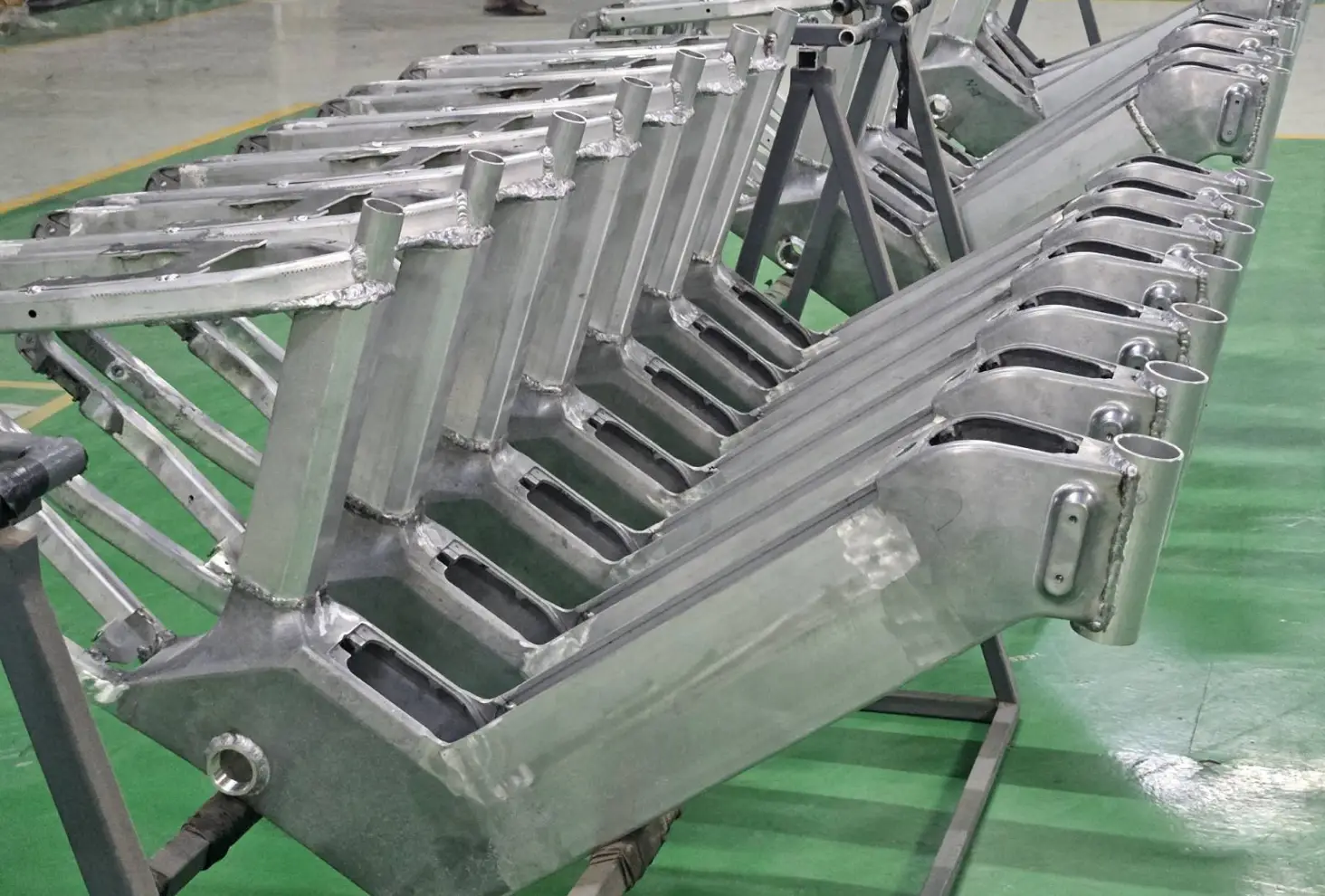
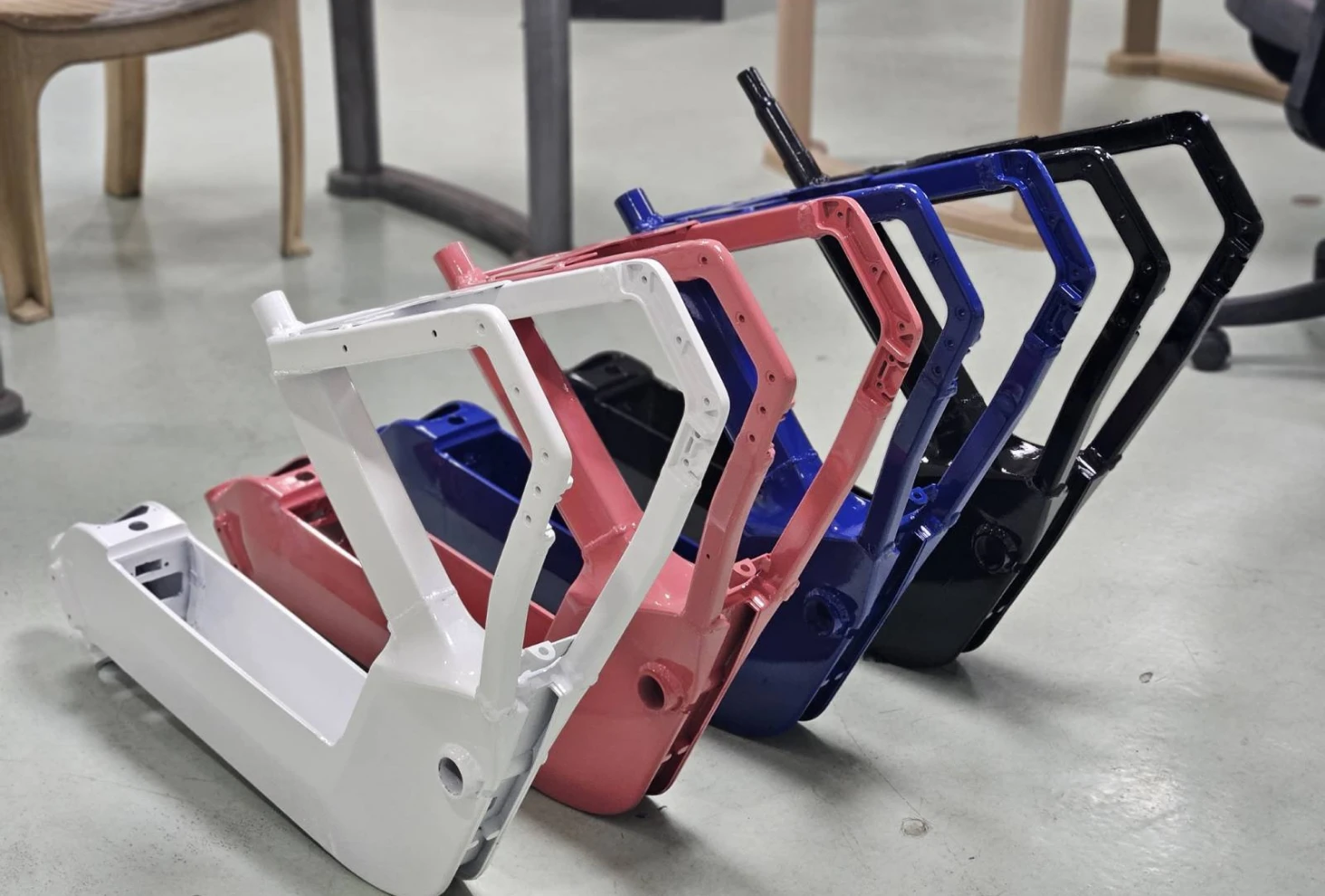
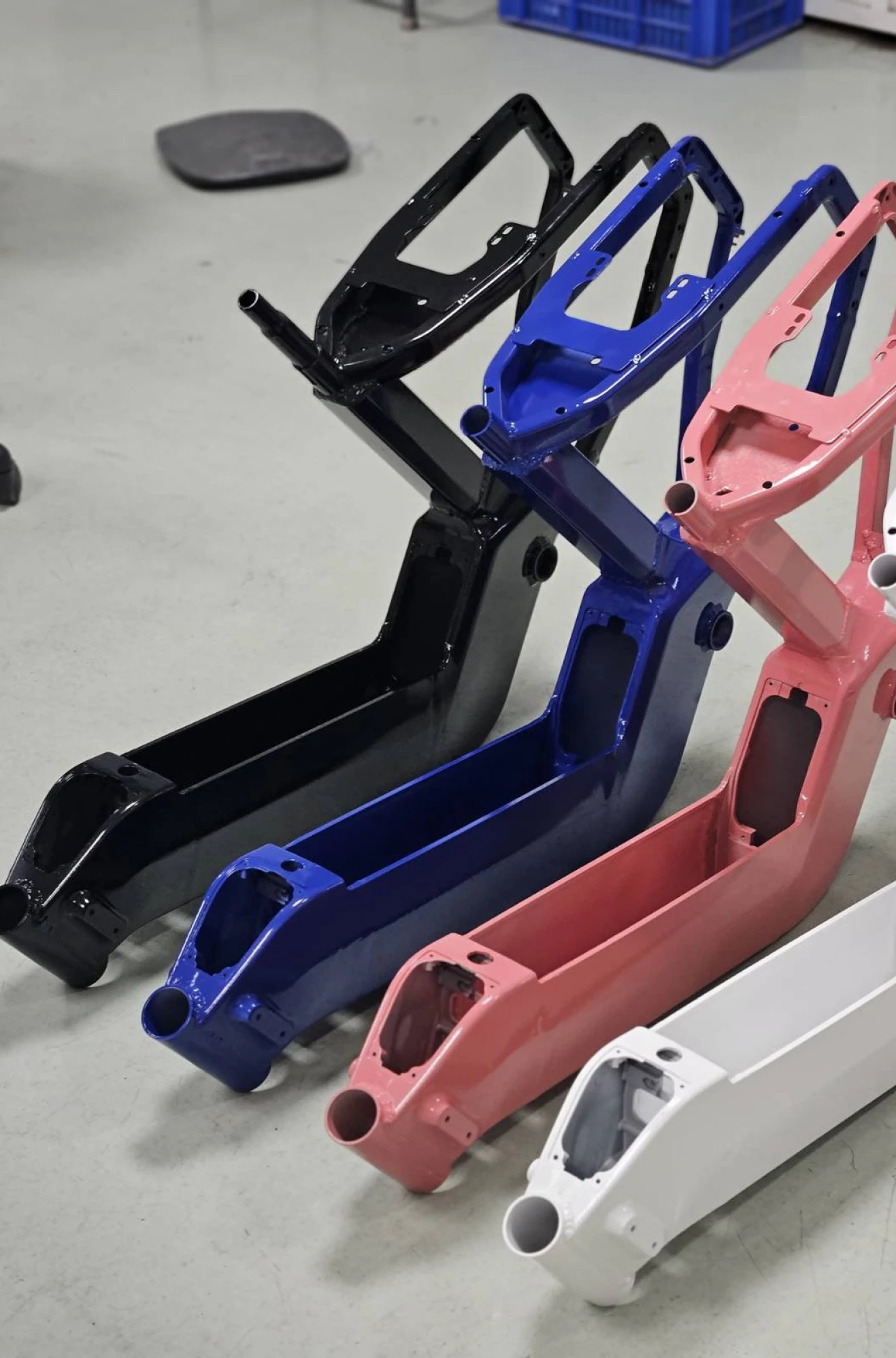
We built Z1 on the die-cast approach we had first explored on X1, and gave it a low, step-through geometry. That one decision solved several problems at once. Getting on and off became easier across a variety of users. The continuous volume gave the battery, wiring and structure somewhere to live instead of hanging off on the outside. And the bike gained a confident stance in place of the retrofitted look the category had settled for.
Because Z1 was a utility bike, Epick took it to market first, into delivery and fleet work where a frame has to earn its keep every day. That made Z1 the place where die casting stopped being a design bet and became a production reality.
One Frame, Every Rider
A utility bike fails the moment it intimidates the person riding it. So the step-through architecture came first, before styling, before anything expressive. The low frame welcomes a wider range of riders than a crossbar ever could, across age, clothing and daily routine. Underneath that accessibility, the die-cast volume does structural work, carrying the battery and wiring inside a single continuous form. Z1 feels approachable and solid at once, which for a workhorse is the whole point.
The Concealed Battery
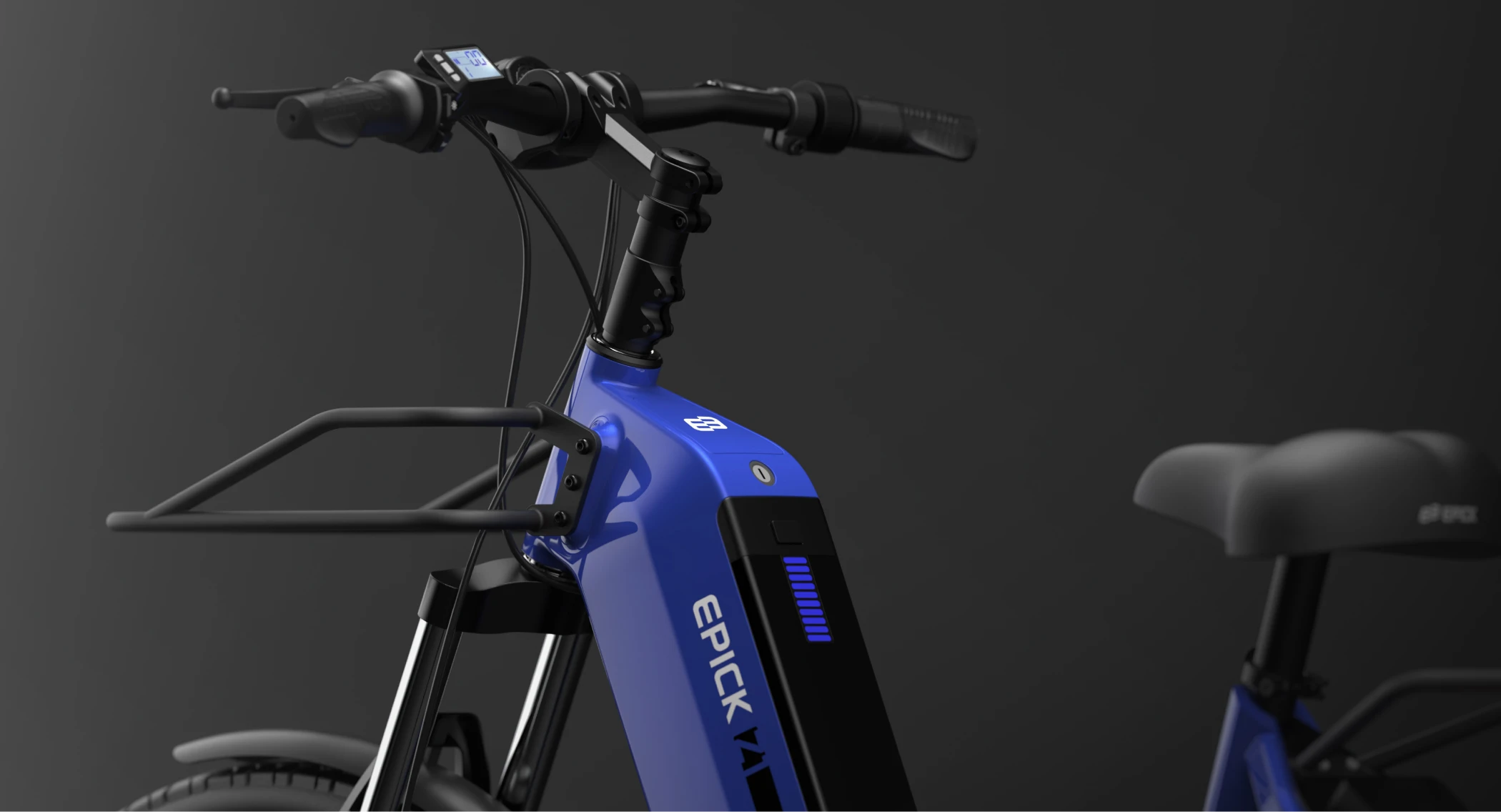
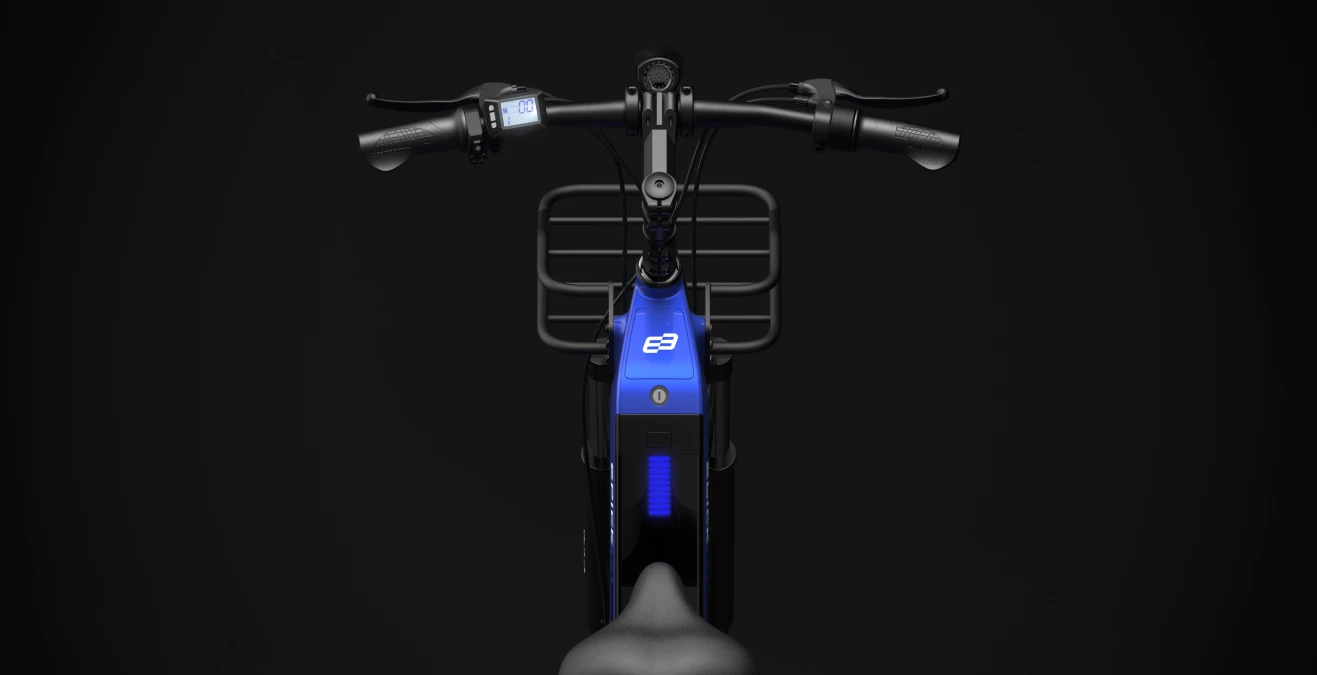
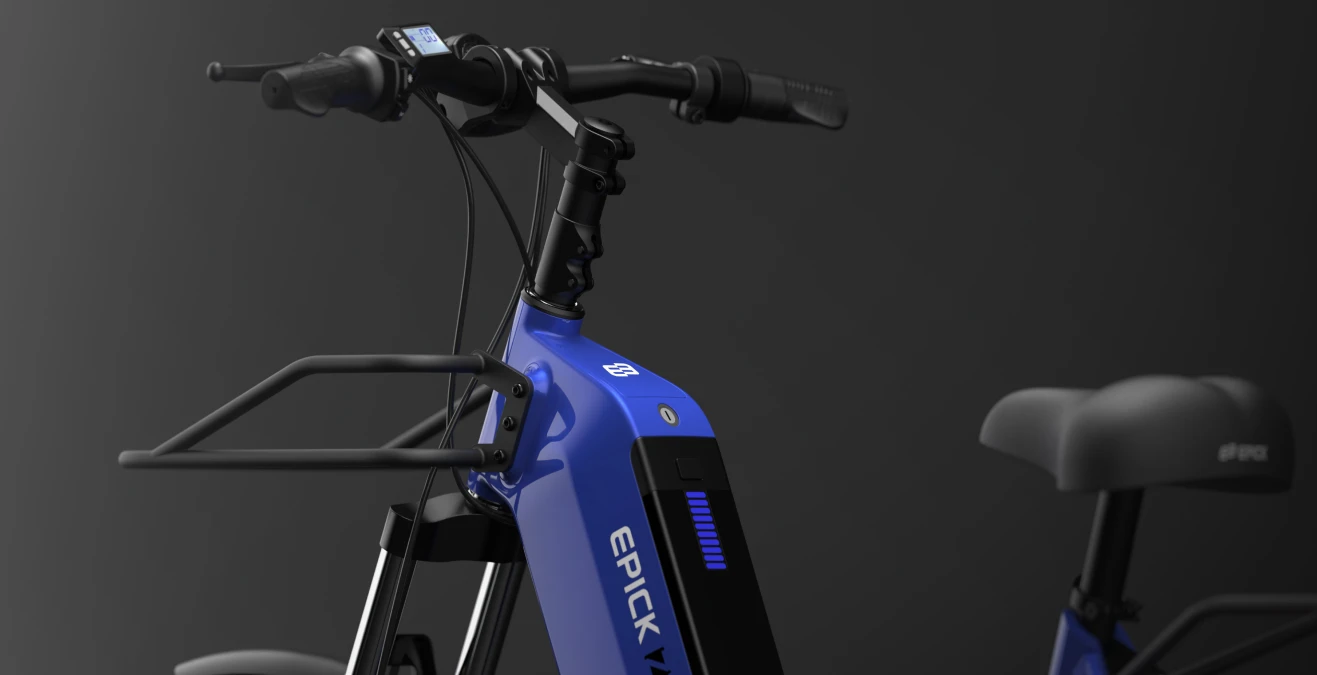
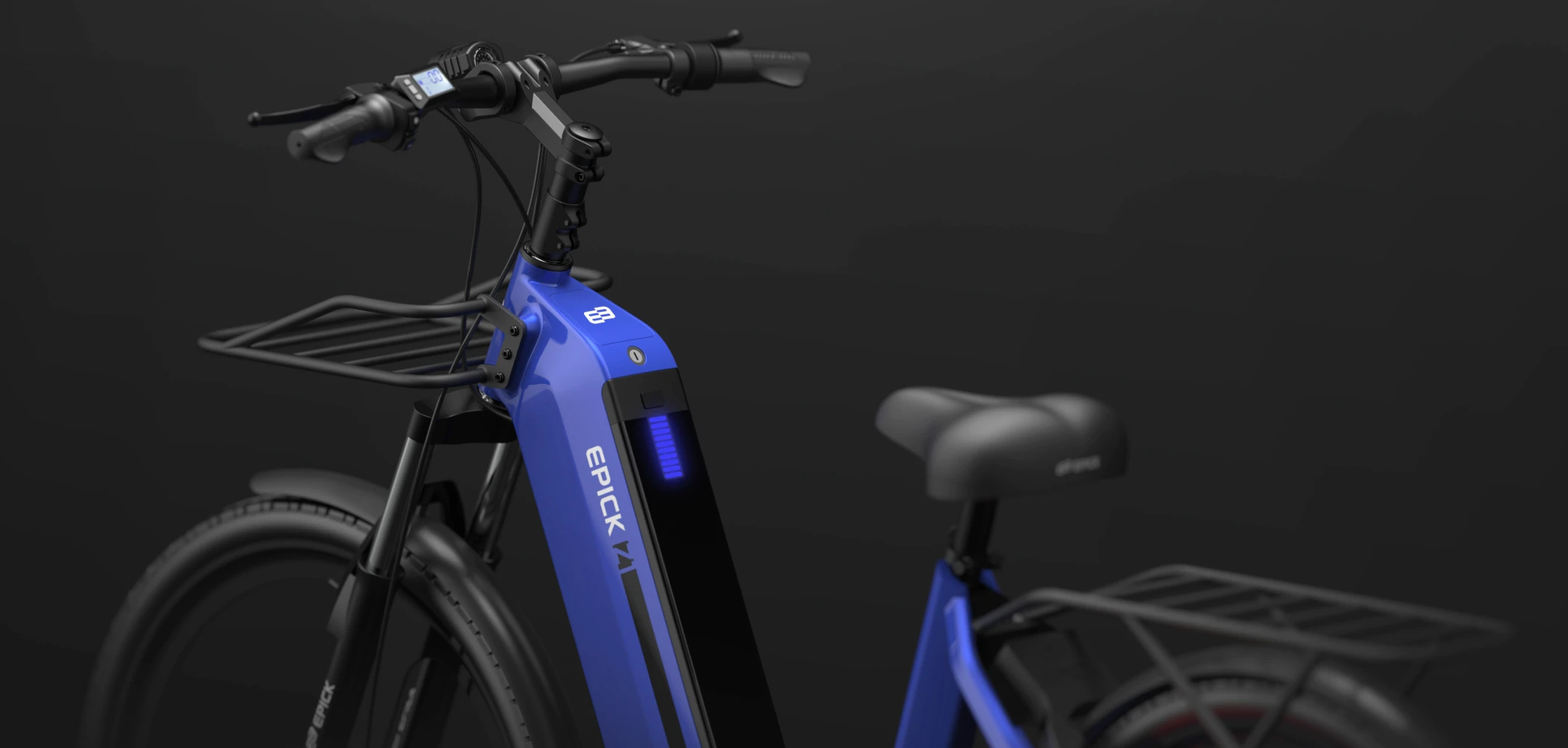
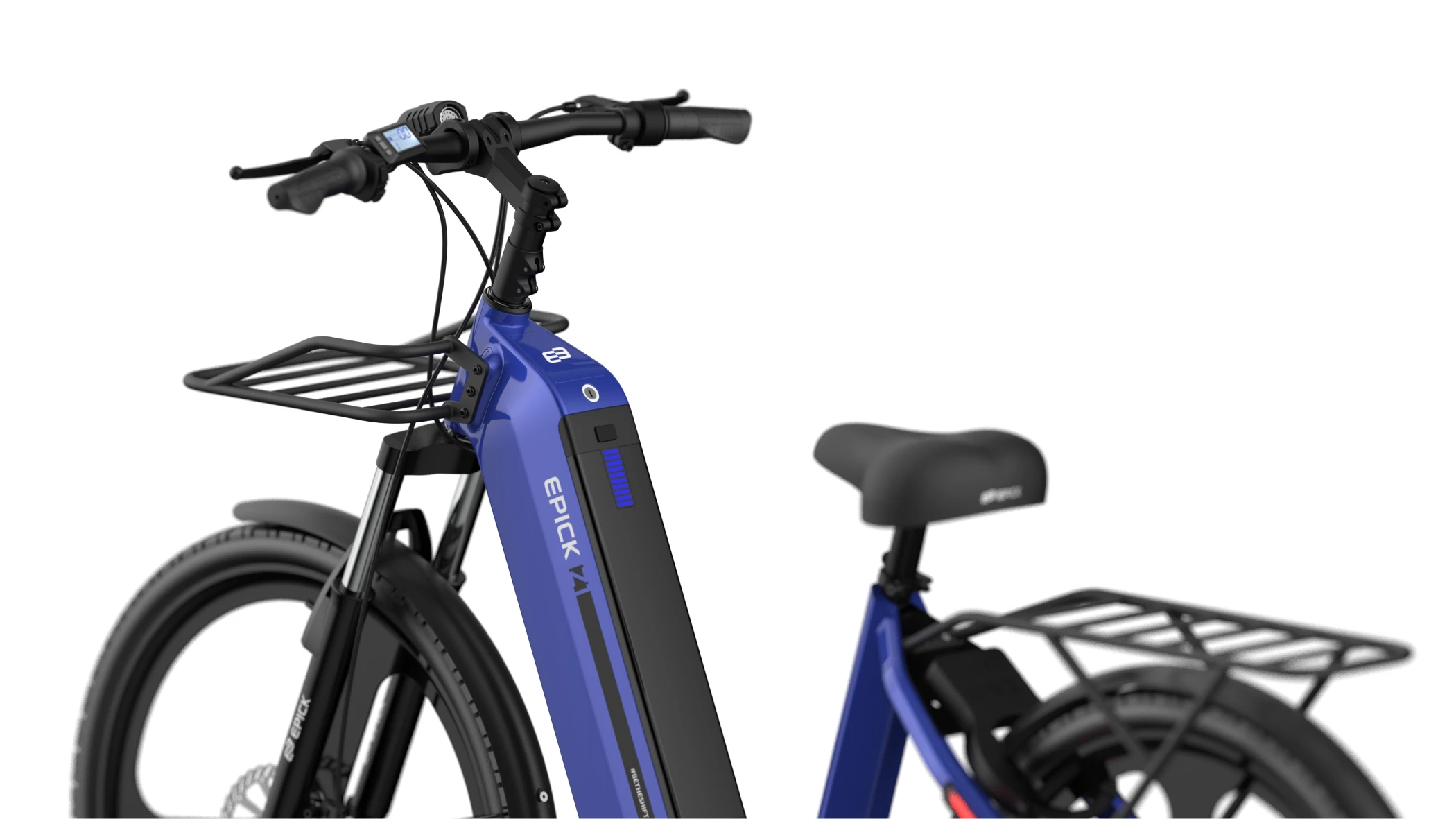
The removable battery sits flush inside the main frame instead of on top of it. That single move does three jobs. It deters theft, since there is no obvious box to grab. It keeps the battery serviceable and swappable for the rider. And it protects the clean silhouette that separates Z1 from the retrofitted look of the category. On Z1, utility and aesthetics don’t pull against each other, but rather resolve into the same part.
Meant to Carry
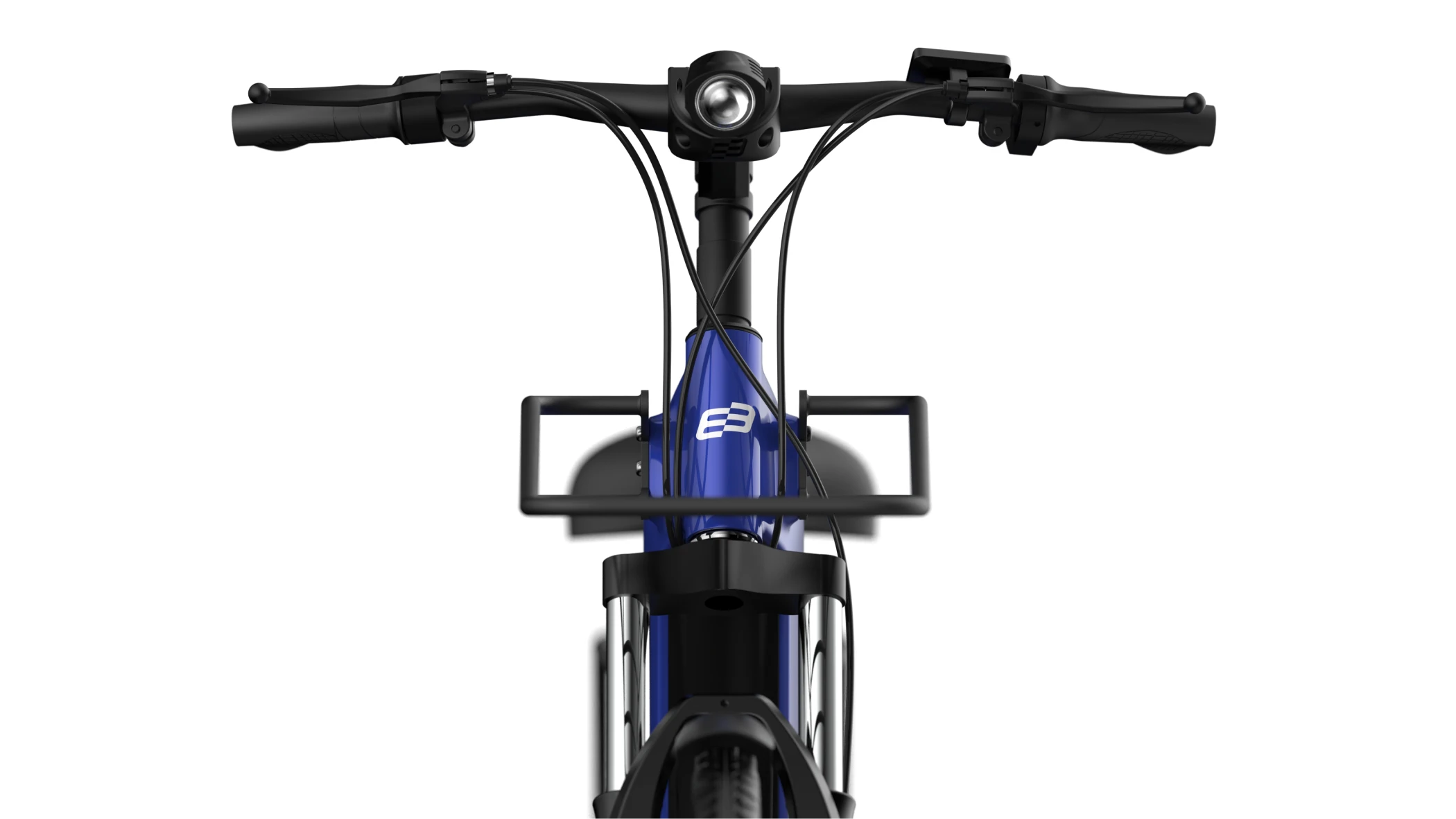
Most utility bikes look like regular bikes with racks bolted on afterward. Z1 was engineered to carry from the start. The front and rear utility frames take higher loads while keeping a slim profile, and their mounting interfaces accept baskets, crates, panniers and Epick’s future accessories. The geometry is tuned for stability under weight, low-speed handling and the stop-go rhythm of city traffic. Frame and racks work as one system, so the bike tells you it was made to carry weight rather than tolerate it.
Strength You Can Read
Z1 carries Epick’s evolving physical language of clear edges and confident surfaces, pushed toward a character that suits its job. Strong shoulders in the head-tube and down-tube show where the strength lives. Long continuous planes make the bike feel stable. Integrated rear lights along the seat-stays widen its visual footprint on crowded roads, where being seen is a safety feature rather than a styling flourish. The surfaces stay clean and the graphics restrained, so Z1 avoids the clutter utility bikes tend to accumulate.
Impact
Z1 reached the market in 2024, starting in Hyderabad, where it now carries commuters, delivery riders and shared mobility pilots. With manufacturing stable and field feedback backing the die-cast approach, it is expanding into other Indian metros as Epick’s primary utility platform. The idea we first tested on X1 now proves itself on the road every day, and what Z1 learns from production and daily use feeds straight back into the flagship. Z1 is the everyday face of Epick today, and the road X1 will follow tomorrow.
Yash Bam
Industrial Designer
Shailesh Srivastava
Digital Modeller
Christopher Richard
Industrial Designer
Aradh Vemula
Co-Founder and CEO
Rahul Reddy Edla
Co-Founder and CBO