CYN:LR
Some companies solve the hard problem years before anyone believes they have. CynLr, a Bengaluru robotics company founded in 2019, builds vision systems that let robotic arms pick up objects they've never seen before, something most of the industry still can't do reliably. Their early prototype, CLX0, proved the idea worked. It just didn't look like it, exposed wiring and a body built from stacked plates made it read as a lab experiment, not a real product. In 2022, CynLr came to us to close that gap.
Before the project began, our team spent time understanding what Gokul, CynLr’s founder actually wanted it to be. Their engineering culture ran on one word, clarity, the discipline of questioning assumptions and building only what actually serves a purpose. From there the work grew into a full enclosure design and product styling project, covering everything from product architecture and aesthetics to Design for Manufacturing and Assembly.
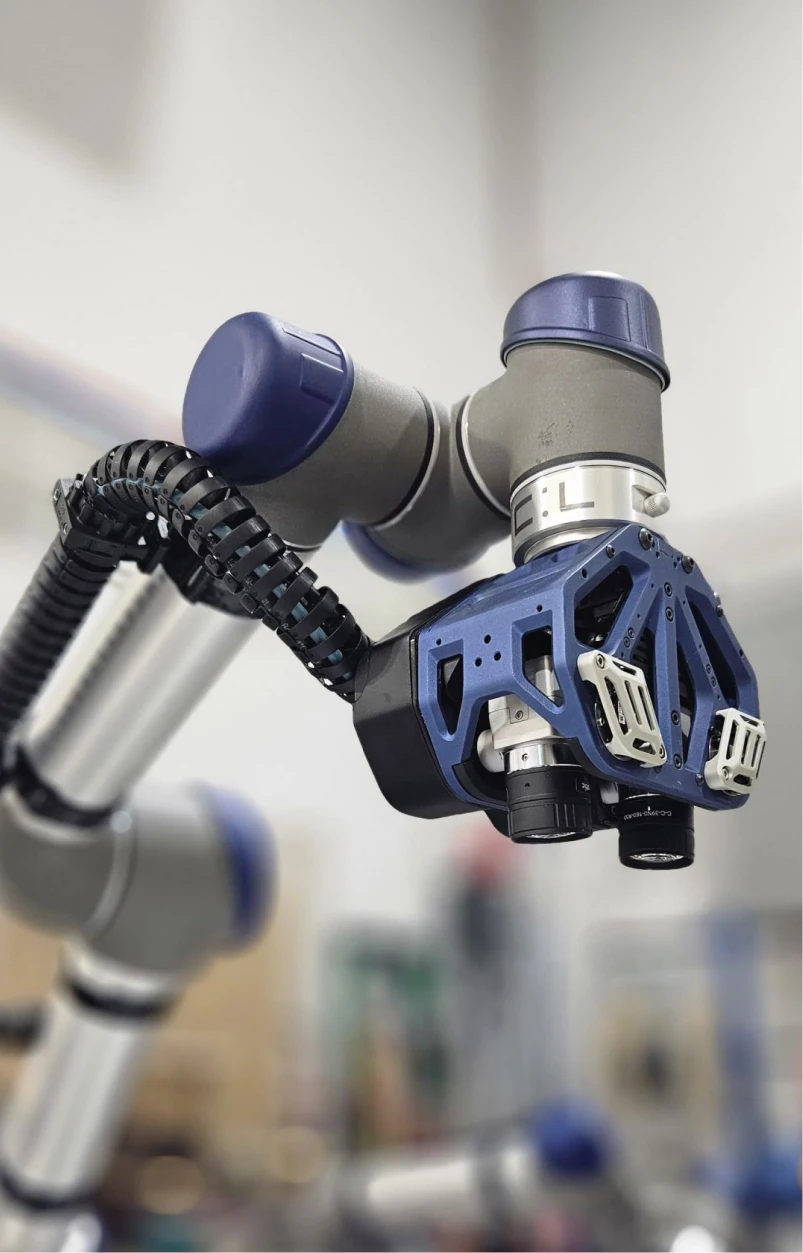
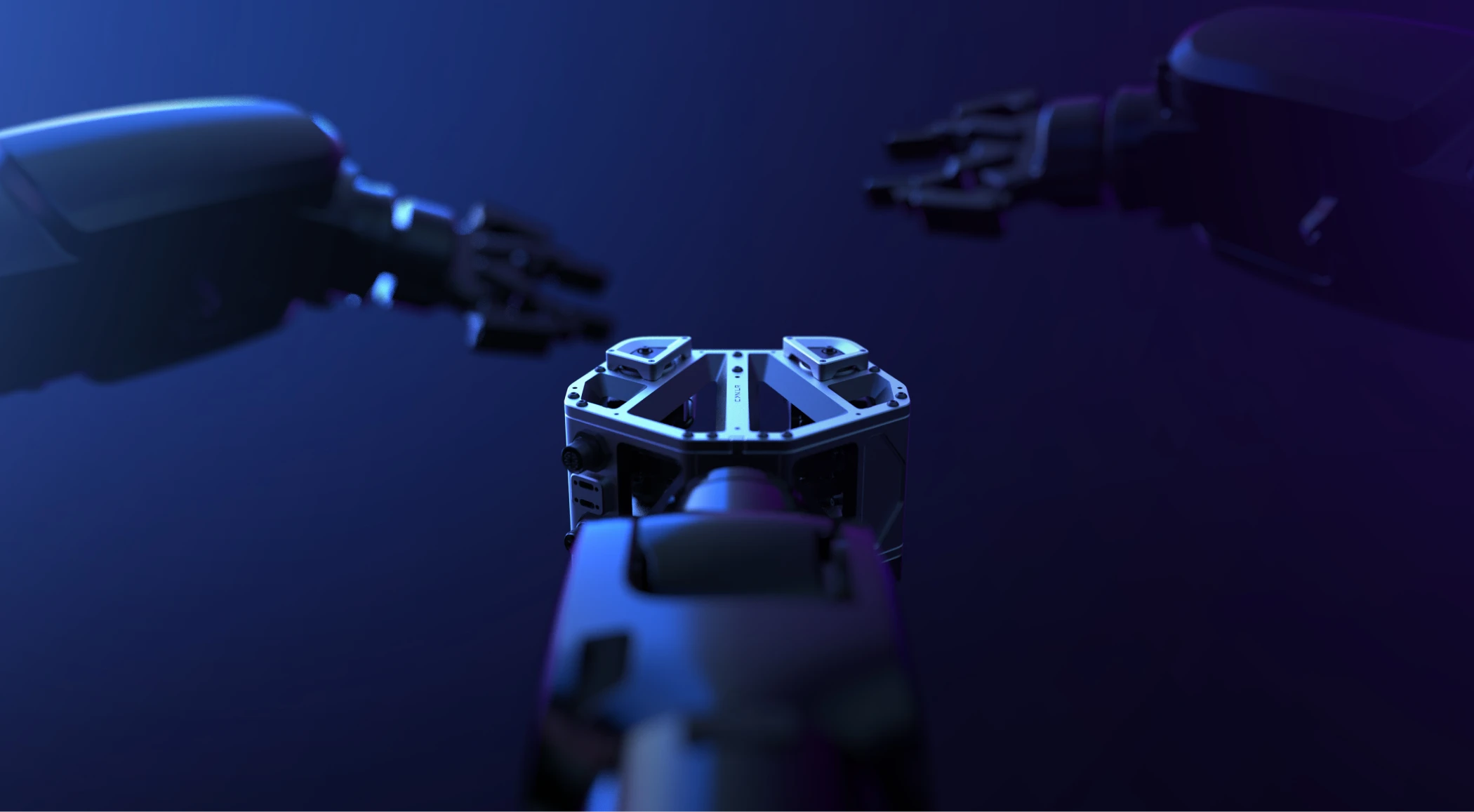
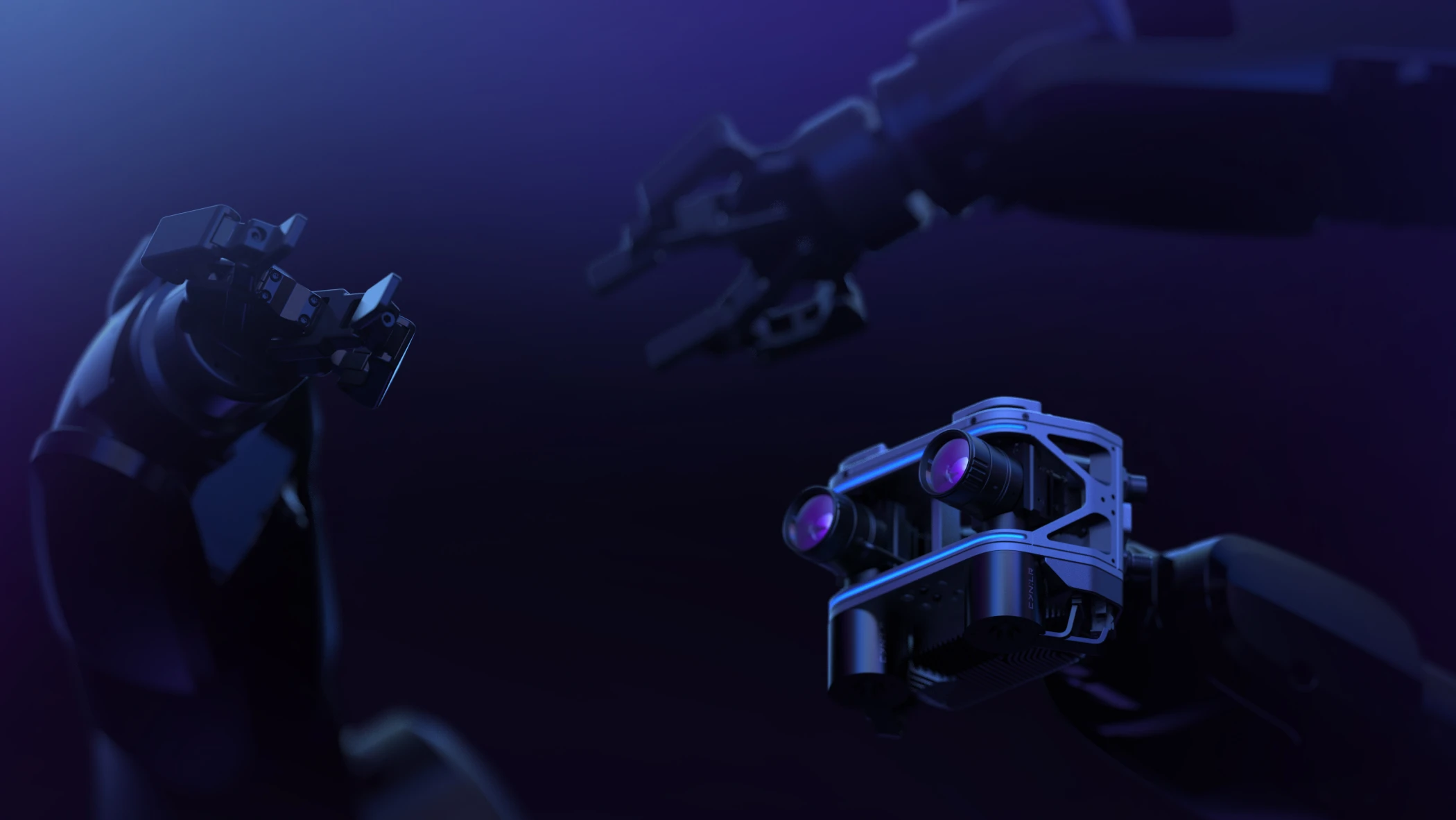
CLX1 has to bolt onto a robotic arm on a factory floor, where weight, strength, and how well it handles vibration and impact all matter a lot. It also needs regular maintenance, so how easy it was to open up and access mattered just as much as how it looked. We looked at industrial robots, exoskeletons, and aerospace parts for reference, and that research settled into three things we kept coming back to: precision, a structure you could actually see, and a look that would belong to CynLr and nobody else.
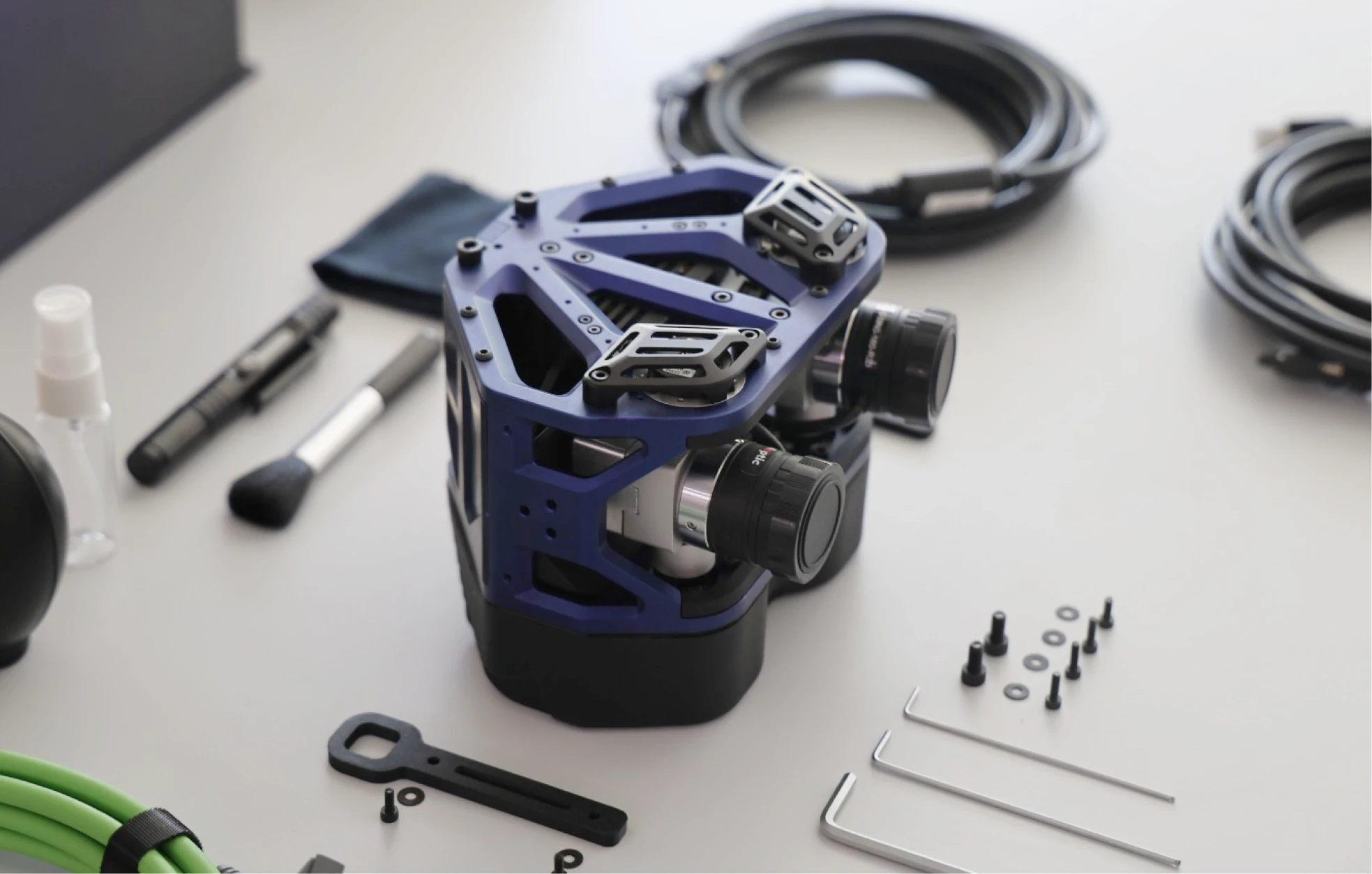
The Shell Becomes The Frame
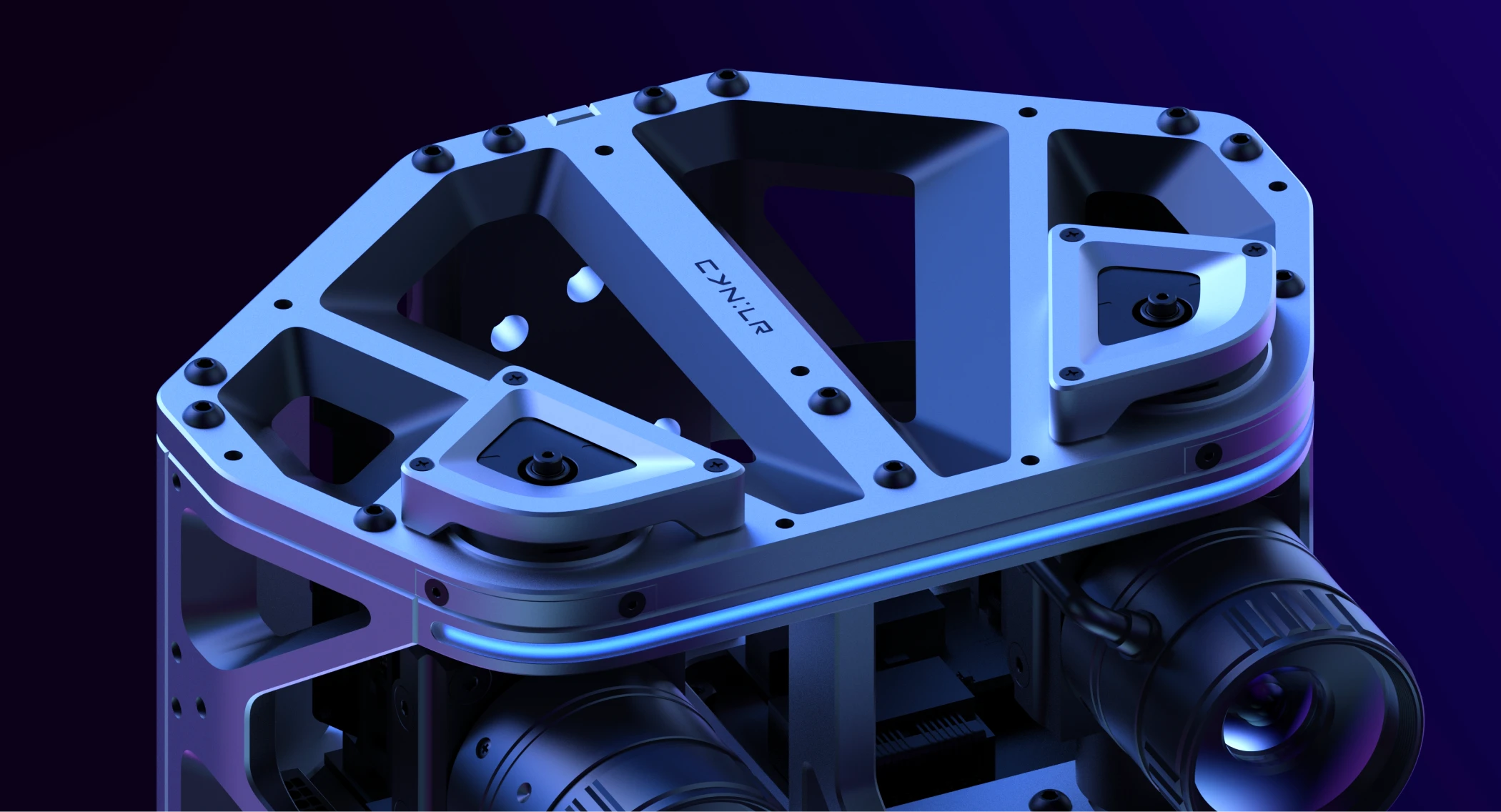
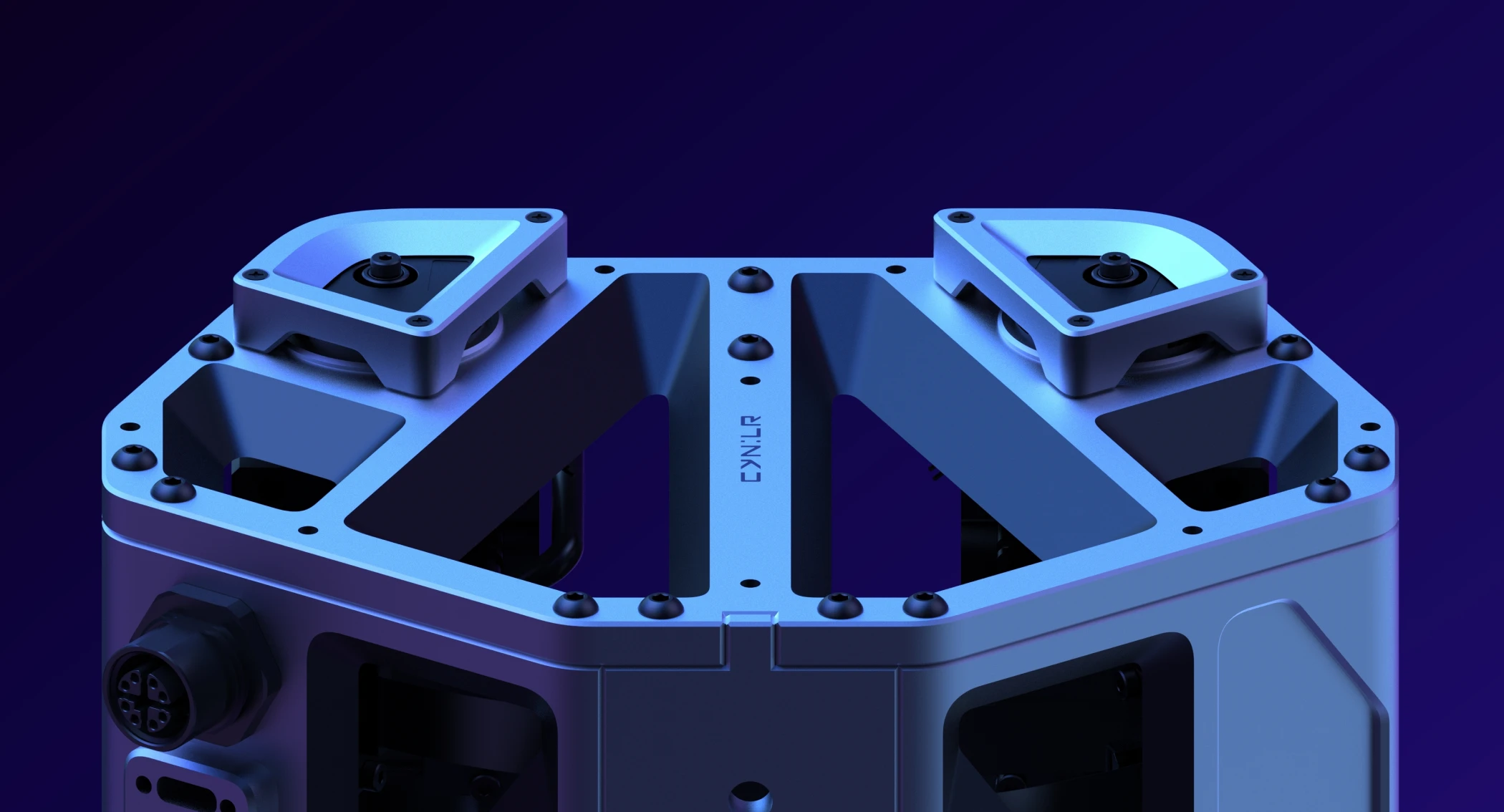
The idea that unlocked the whole project was simple to say and harder to build: the outer shell didn't need to hide what was inside, it could be the structure itself. So instead of bolting several plates together, we cut a single metal frame from one solid block. That fixed old alignment problems, cut down on parts, and made the whole thing much sturdier. The frame stays partly open, so you can see inside, but in a way that feels intentional, not like something left unfinished.
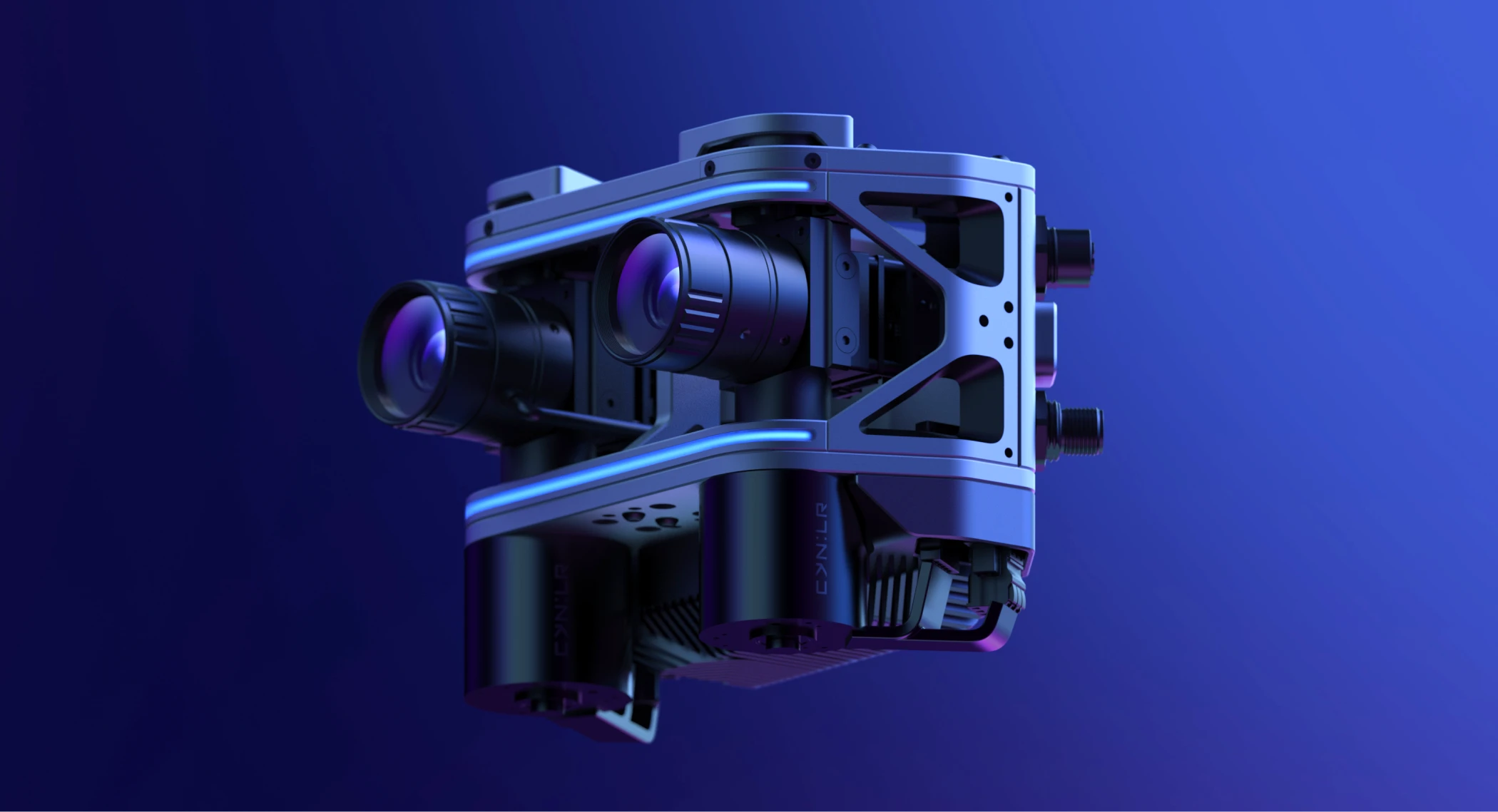
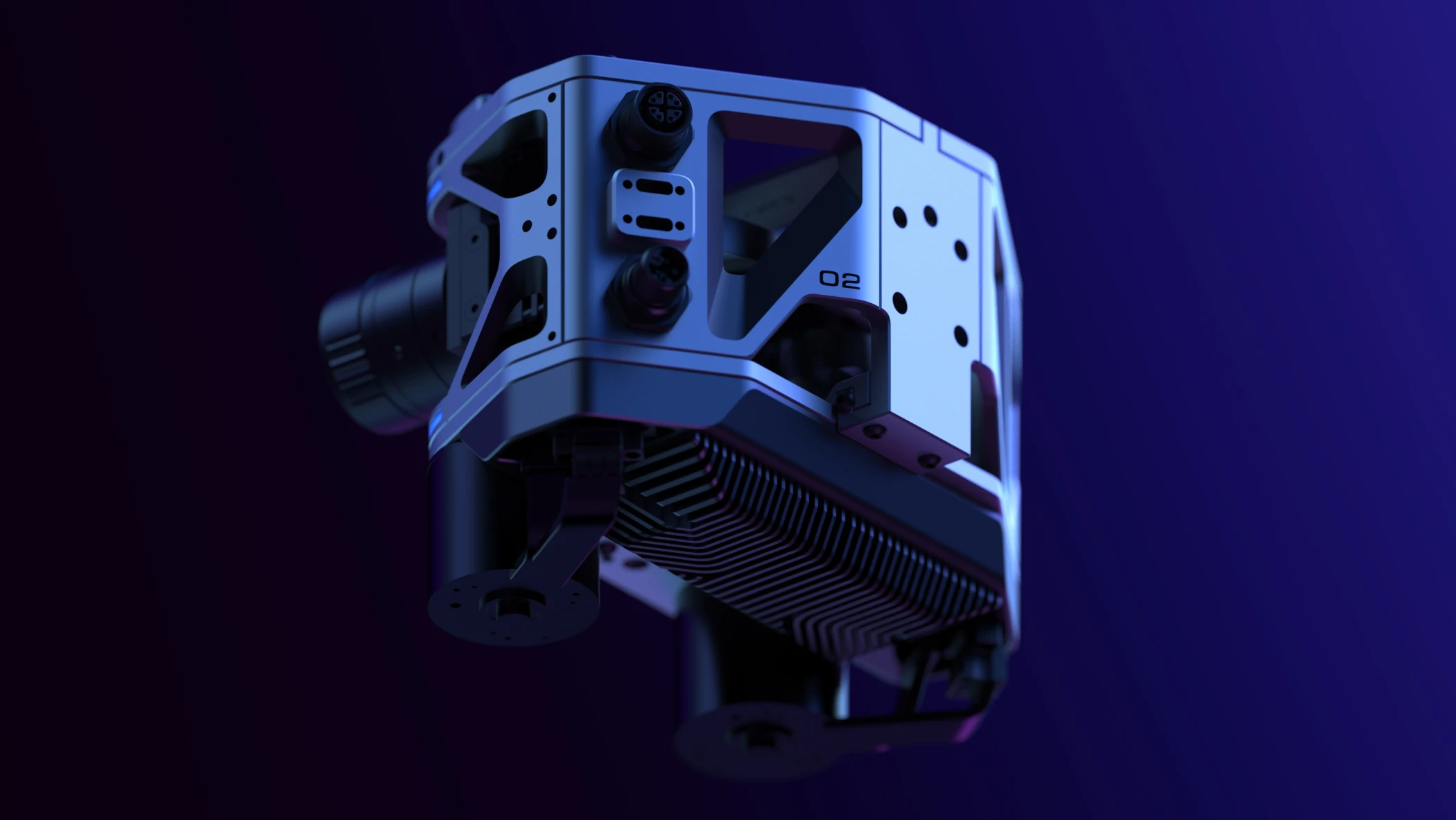
Ribs That Carry Weight
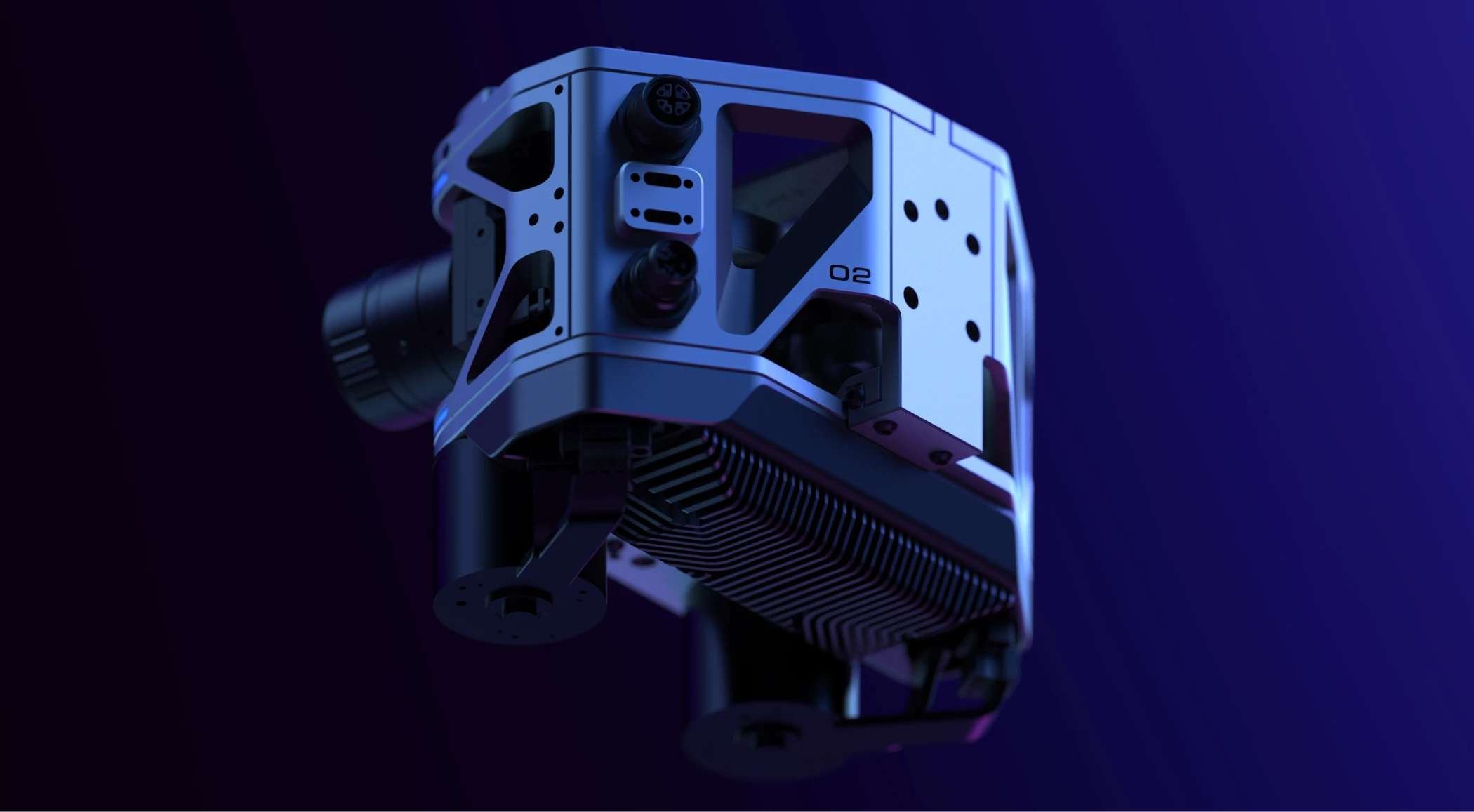
The ribs and curves on the frame aren't just for looks, they're doing real work holding it together. Each one adds strength while also cutting away extra material, which kept the whole device light enough for the robotic arm to carry comfortably. Wires were routed to stay tucked away, so almost nothing is visible from outside. Even the small parts, camera mounts, lens holders, brackets, were cut from leftover material from making the main frame, so nothing goes to waste.
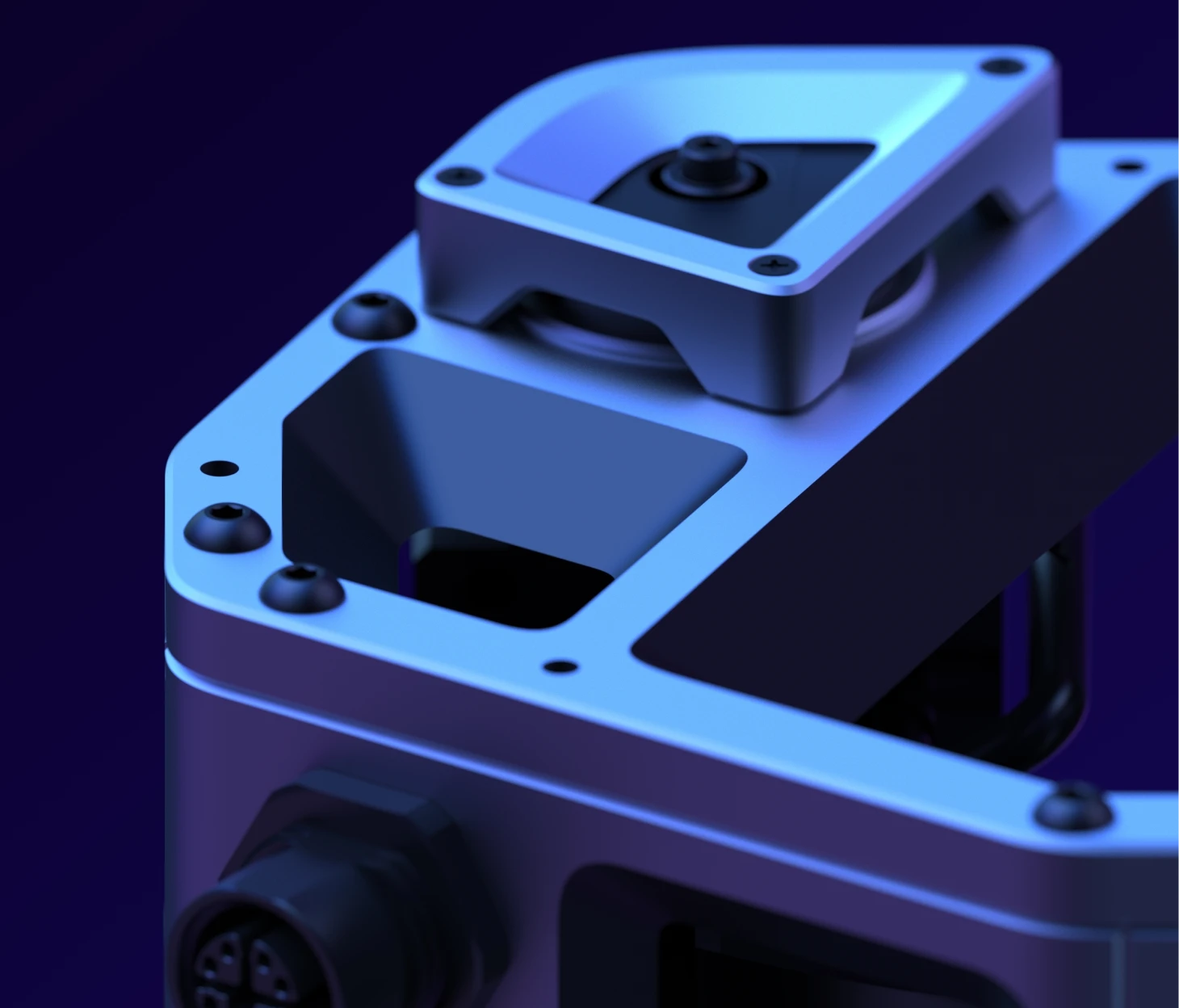
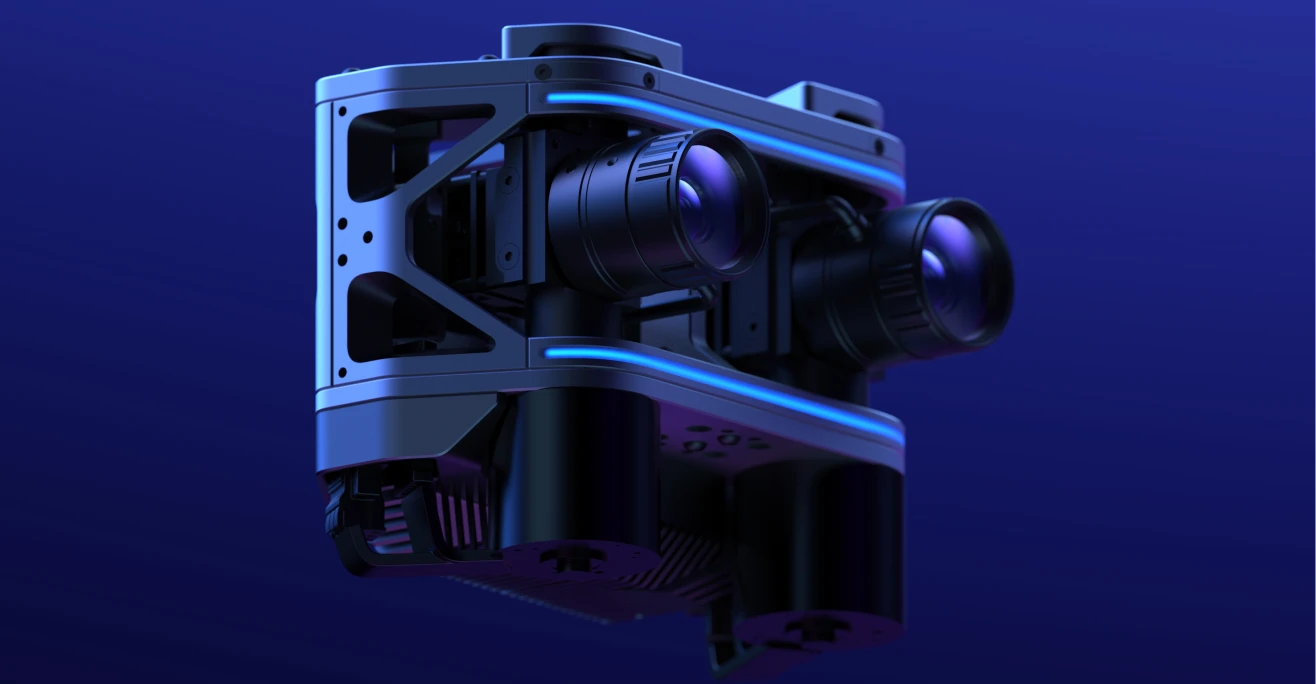
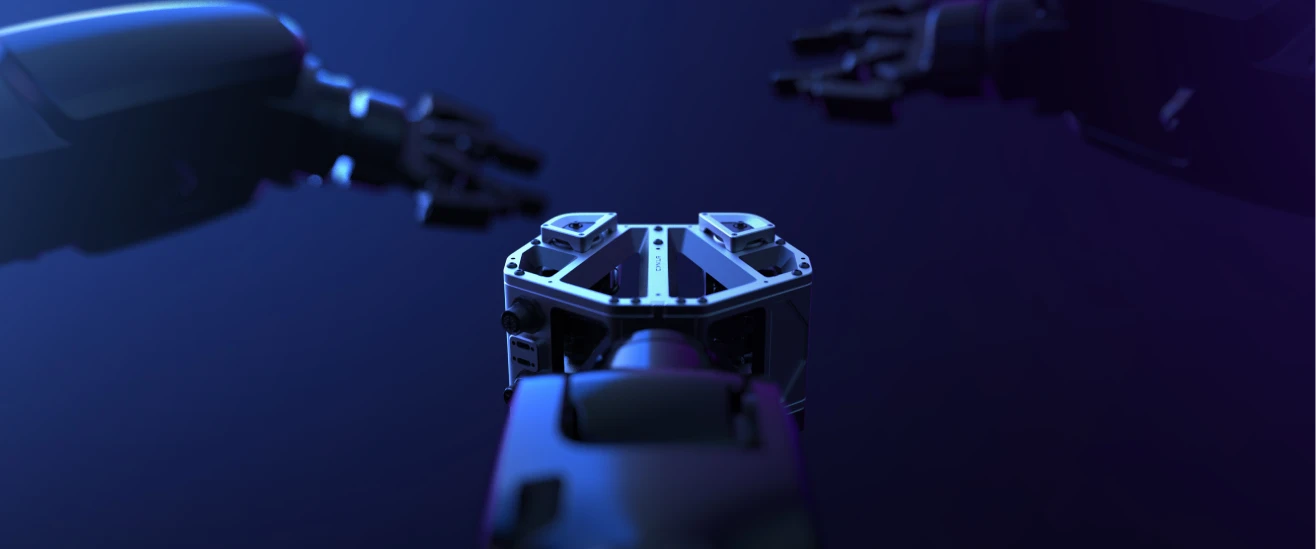
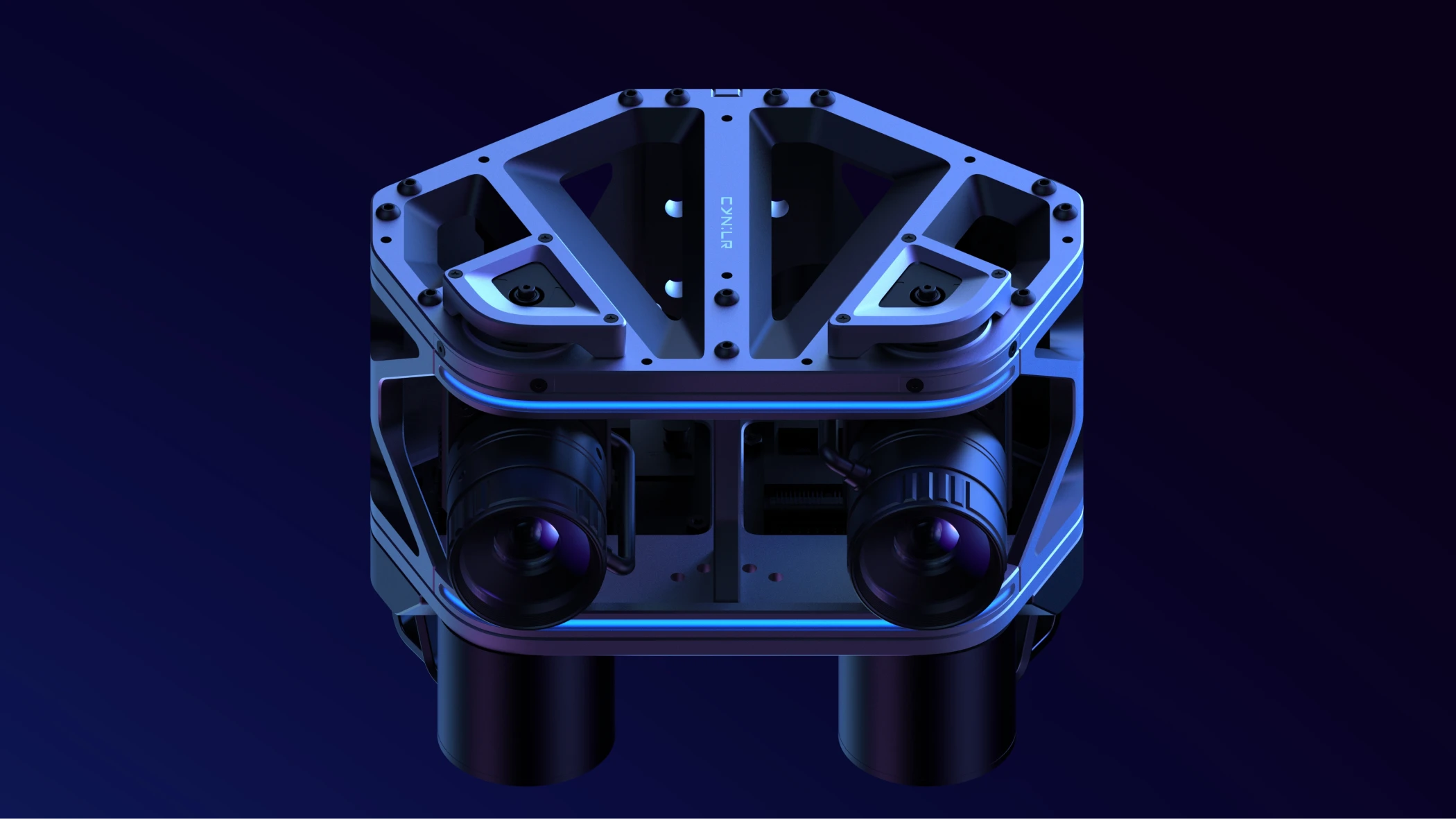
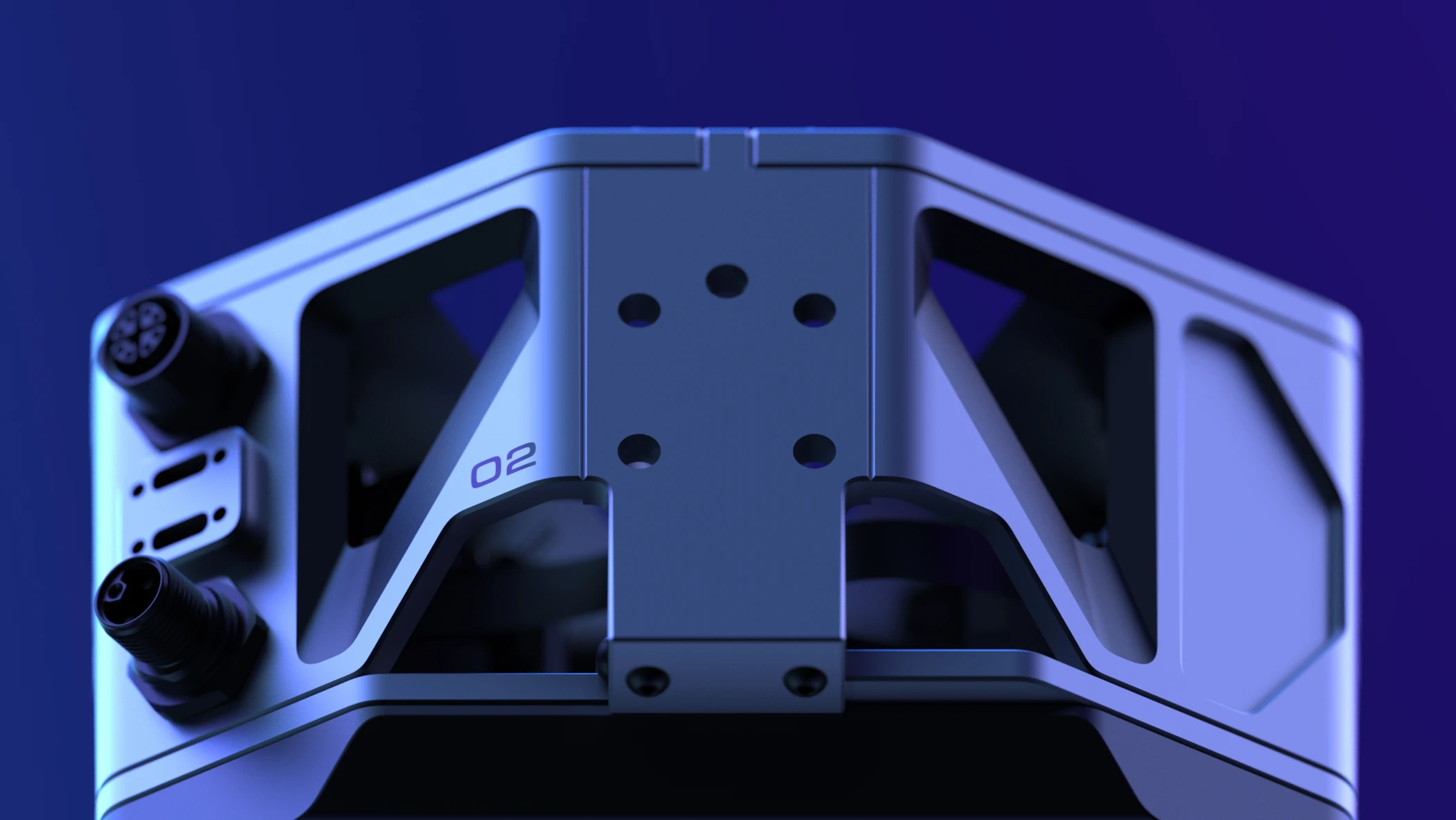
Shaped Around Torque
Every part of how CLX1 is shaped comes down to something mechanical. The compact size keeps strain on the arm low. It mounts the same way no matter which type of robotic arm it's on, so there's no need for a different design each time. And that open frame look makes CLX1 instantly recognizable as CynLr's, even sitting on a factory floor full of other machines.
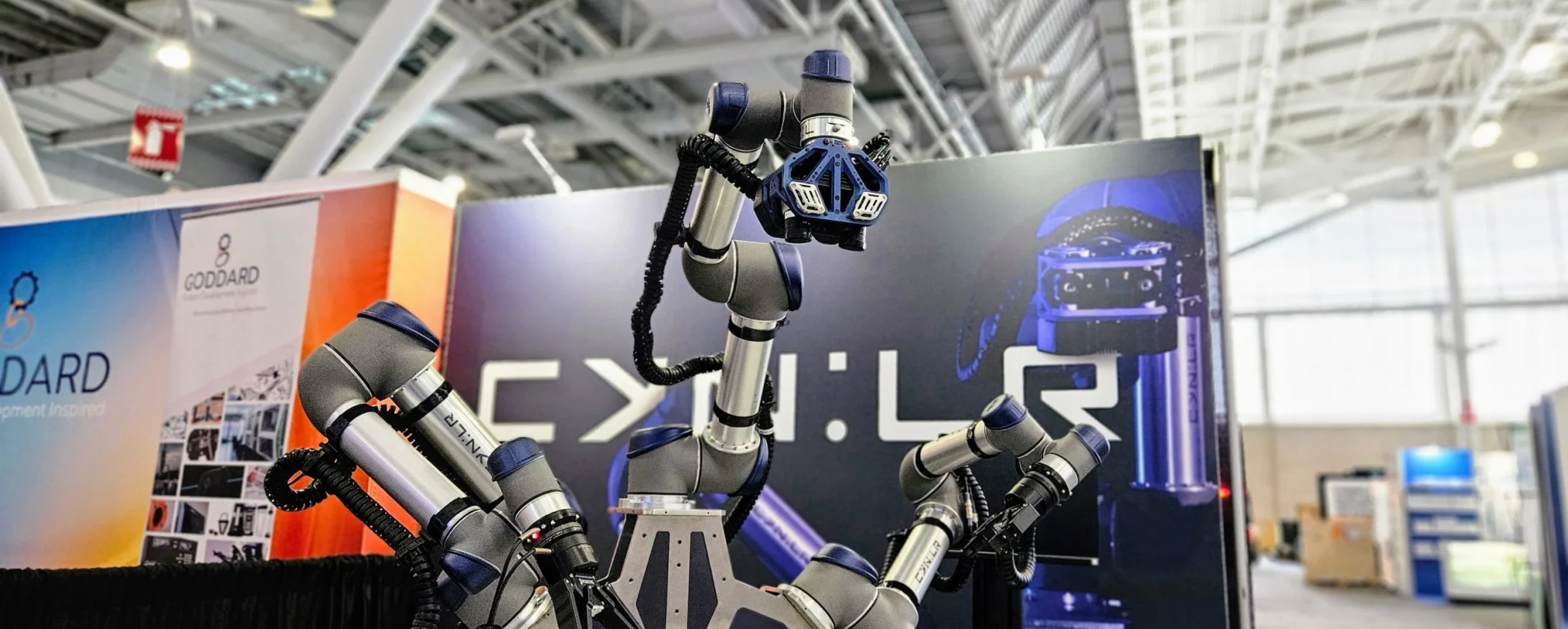
Impact
Studio Carbon's product design for CynLr won the Golden Pin Design Award in 2023, the same year the single-block frame architecture went from prototype to shippable hardware. That machined, open-frame look carried directly into CyRo, CynLr's three-armed production system built around the CLX-01 vision module. Gokul NA, CynLr's Founder, credited the CyRo form factor's strong customer reception with proving technology-market fit. That confidence carried into the $10 million Series A CynLr closed in November 2024.
Christopher Richard
Industrial Designer
Rahul Prabakaran
Industrial Designer
Rutvik Jadhav
Industrial Designer
Gokul N A
Founder - Design, Product & Brand
Ajayprabhakar Kavungal
Lead Mechanical Design